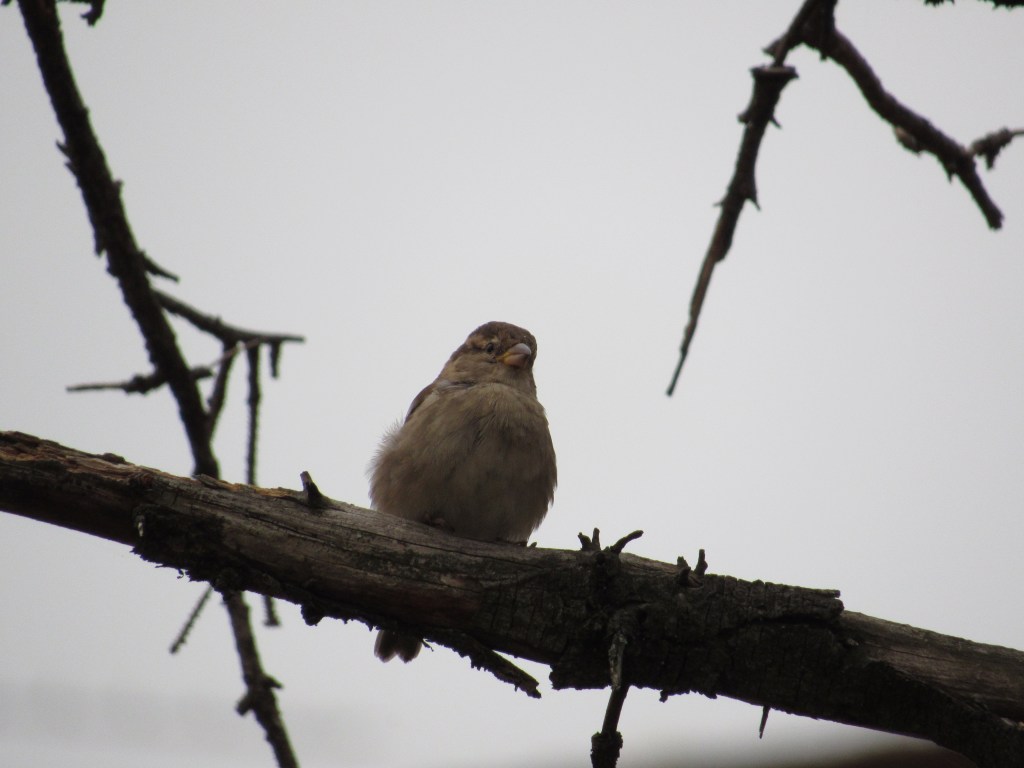
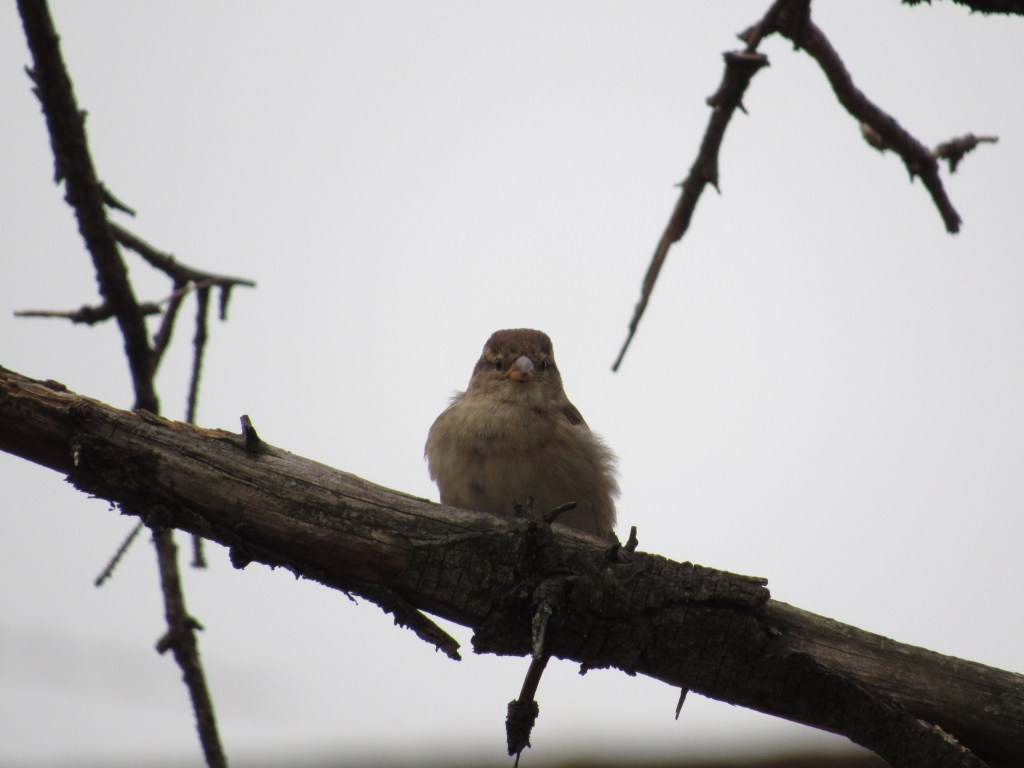
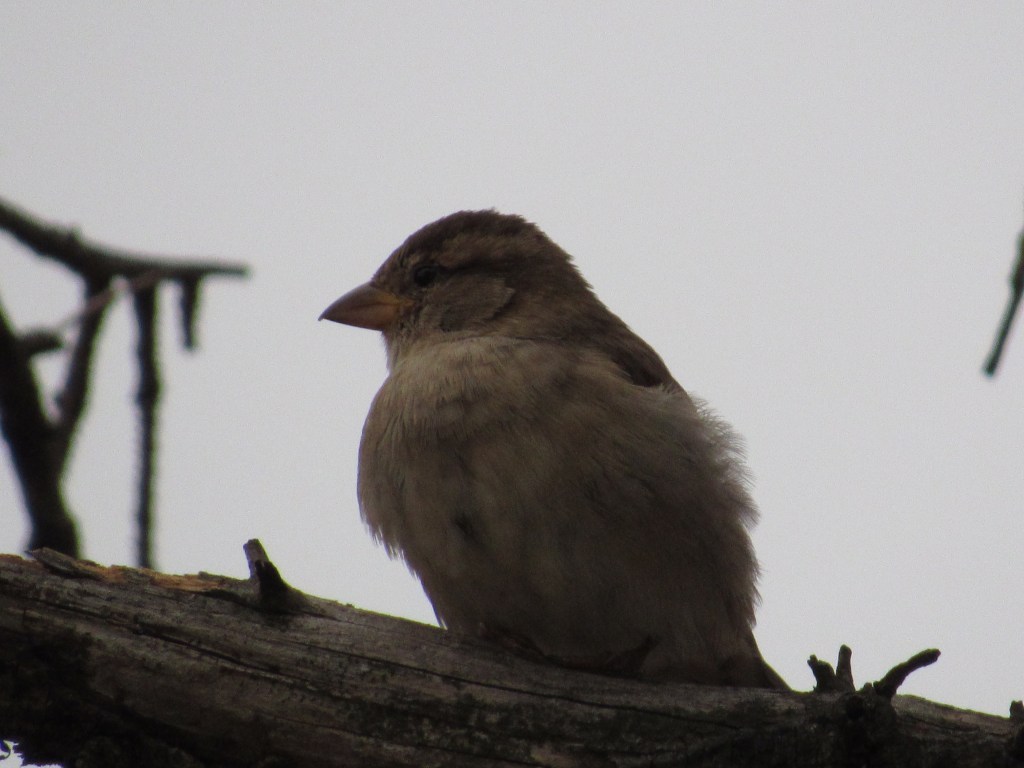

The Italian Sparrow (Passer italiae) is a small passerine bird found primarily in Italy and parts of surrounding Mediterranean regions. It is closely related to the House Sparrow (Passer domesticus) and Spanish Sparrow (Passer hispaniolensis) and is considered either a distinct species or a hybrid between the two, depending on the classification system used. Here’s a detailed look at the Italian Sparrow:
General Description
Size: The Italian Sparrow measures about 14–16 cm in length and has a wingspan of 21–25 cm. Appearance: The male Italian Sparrow has a chestnut-brown crown, a distinct black bib on its throat, and brown streaked upperparts. The females, much like in other sparrow species, have more subdued coloration, with pale brown plumage and streaked backs, helping them blend into their surroundings. Call: The call of the Italian Sparrow is similar to that of other sparrow species, with a chirping song that includes sharp “chip” sounds.
Habitat and Range
Geography: The Italian Sparrow is mainly found across Italy, Sicily, Corsica, and parts of the Mediterranean. It tends to be common in urban and suburban areas, as well as in farmland and gardens. Habitat Preferences: Italian Sparrows are highly adaptable and can thrive in a variety of environments, from bustling cities to rural countryside. They are commonly seen around human habitation, feeding on crumbs and seeds from people, and often nesting in buildings.
Migration Patterns
Unlike many bird species, the Italian Sparrow is generally non-migratory. This means that they remain in their home range year-round. However, in regions with particularly harsh winters, some sparrow populations might make short-range movements to avoid extreme cold. Overall, they are sedentary birds, particularly in warmer Mediterranean climates where food remains available throughout the year.
Fun Facts
Hybrid Origins: There’s ongoing debate about the exact origin of the Italian Sparrow. Genetic studies suggest that it might have arisen from hybridization between the House Sparrow and the Spanish Sparrow, though some researchers consider it a separate species due to its unique characteristics.
Symbol of Italy: The Italian Sparrow is often seen as a symbol of Italy’s natural world, being native to the country and thriving in its human environments. Adaptable Diet: Italian Sparrows are omnivores, feeding on a variety of seeds, grains, fruits, and insects. They can often be seen scavenging around outdoor cafes or picking crumbs from the ground.
Nesting: Italian Sparrows typically nest in holes and crevices in buildings, trees, or cliffs. They will reuse old nests, and their nests are often made of a variety of materials, including twigs, grass, and feathers. Social Birds: These sparrows are quite social and often live in groups, particularly when roosting or foraging. They can be aggressive in defending their nesting sites, particularly the males.
Differences from Other Sparrows
Males’ Appearance: The male Italian Sparrow has a rich chestnut crown, setting it apart from the House Sparrow’s grayish-brown crown. Also, the male’s bib is larger and blacker than that of the House Sparrow, which has a more limited dark patch.
Genetic Makeup: The Italian Sparrow’s genome has elements from both the House and Spanish Sparrows, but there are distinct differences that justify some researchers classifying it as a separate species. For instance, its mitochondrial DNA is more similar to the Spanish Sparrow, while nuclear DNA leans more towards the House Sparrow.
Conservation Status
The Italian Sparrow is currently not under any significant threat, as it thrives well in urbanized and rural areas alike. It is listed as Least Concern by the International Union for Conservation of Nature (IUCN), meaning its population is stable and widespread.
The Italian Sparrow’s ability to coexist with humans has helped it maintain a strong presence in Italy’s bird population, and its adaptability ensures that it continues to thrive in various environments across its range. Its non-migratory nature is another factor that keeps its numbers relatively stable, as it doesn’t face the same migration-related risks as other species.
 Wild Bird Journal
Leave a comment