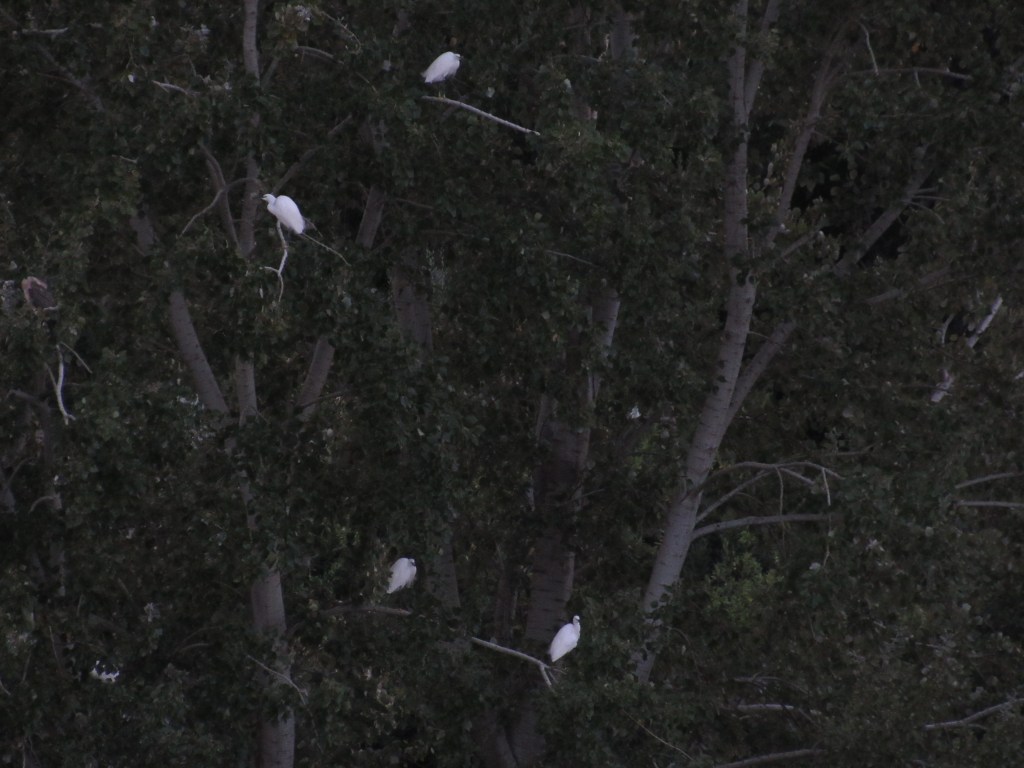




The Little Egret (Egretta garzetta) is a small, elegant white heron that is widely distributed across Europe, Asia, Africa, and Australia. It is one of the most recognizable members of the heron family due to its slender build, distinctive plumes, and striking black legs with yellow feet.
Physical Characteristics
Size: The Little Egret typically measures about 55-65 cm (22-26 inches) in length, with a wingspan of around 88-106 cm (35-42 inches).
Plumage: It is entirely white with long, delicate plumes on its back and head during the breeding season. These plumes were once highly prized for use in fashion, leading to significant declines in the bird’s population in the 19th century.
Legs and Feet: Its legs are black, while its feet are bright yellow, giving the bird a striking contrast and making it easier to identify, especially in shallow water where it often forages.
Beak: It has a long, thin, pointed black bill, which it uses skillfully to catch prey.
Habitat
Little Egrets are typically found in wetlands, marshes, estuaries, and along rivers and coastal shores. They prefer areas with shallow water, which provides abundant food in the form of small fish, amphibians, insects, and crustaceans.
Behavior and Diet
Little Egrets are adept hunters, using a variety of techniques to catch their prey. They are often seen:
Stirring the water with their feet to flush out fish. Running through shallow water, sometimes with their wings spread, to chase after prey. Standing still and waiting for unsuspecting fish to swim by before striking quickly with their sharp bills. They may also hunt in groups, particularly in tidal areas where fish are abundant.
Breeding and Nesting
Breeding Season: The breeding season varies by location, but typically occurs in spring and summer. Nesting: Little Egrets nest in colonies, often with other species of herons or waterbirds. They build their nests in trees, bushes, or reed beds, using sticks and twigs. The nests are often placed over water to reduce the threat from predators. Eggs: Females usually lay 3-5 pale blue-green eggs, which both parents take turns incubating for about 3 weeks. The chicks fledge around 6 weeks after hatching.
Migration Patterns
The migration behavior of Little Egrets is complex and depends largely on geography:
European and Asian Populations: These birds are migratory. Little Egrets that breed in northern and central Europe typically migrate to southern Europe, Africa, and the Middle East for the winter. They can travel over long distances, sometimes covering several thousand kilometers. For example, many Little Egrets from Britain and Ireland migrate to warmer regions like Spain and West Africa for the winter.
African and Australian Populations: In more tropical and subtropical regions such as Africa and Australia, Little Egrets tend to be resident birds, meaning they stay in the same areas year-round due to the stable food supply.
Partial Migrants: Some populations, particularly those living in milder climates like southern Europe and coastal regions, are partial migrants. These birds may move short distances in search of better feeding grounds during winter but do not undertake long migrations.
Fun Facts
Plumes Craze: In the late 19th and early 20th centuries, Little Egrets were nearly driven to extinction in parts of Europe due to the demand for their beautiful breeding plumes, which were used to decorate hats. This led to the formation of bird protection societies, such as the Royal Society for the Protection of Birds (RSPB), which helped save the species.
Foot Stirring: One of the Little Egret’s most distinctive behaviors is its habit of stirring the water with its bright yellow feet to disturb prey. This technique is unique among herons and is thought to increase the bird’s chances of catching small fish or aquatic insects.
Range Expansion: In the late 20th century, the Little Egret began to expand its range into new regions, particularly in Europe. It started breeding in the UK in 1996 after being absent from the country for centuries. Its success is thought to be partly due to milder winters and improved wetland protection.
Agile and Graceful: Little Egrets are known for their agility and grace in flight. They have a slow, deliberate wingbeat and can be seen gliding elegantly across wetlands. Vocalization: Unlike some other herons, Little Egrets are generally quiet birds. They occasionally emit croaking or barking calls, particularly in breeding colonies, but are not known for their vocal nature.
Conservation Status: The Little Egret is currently listed as Least Concern by the IUCN, thanks to conservation efforts and legal protection that have helped their populations recover. However, habitat loss and pollution still pose threats in certain areas.
The Little Egret’s adaptability to different environments, combined with its elegant appearance and fascinating behaviors, makes it a favorite among birdwatchers worldwide!


 Wild Bird Journal
Leave a comment