

The Mallard (Anas platyrhynchos) is one of the most familiar and widespread species of wild duck. Known for its distinctive coloration and adaptability, it has a rich natural history that makes it a fascinating bird to study.
Physical Characteristics:
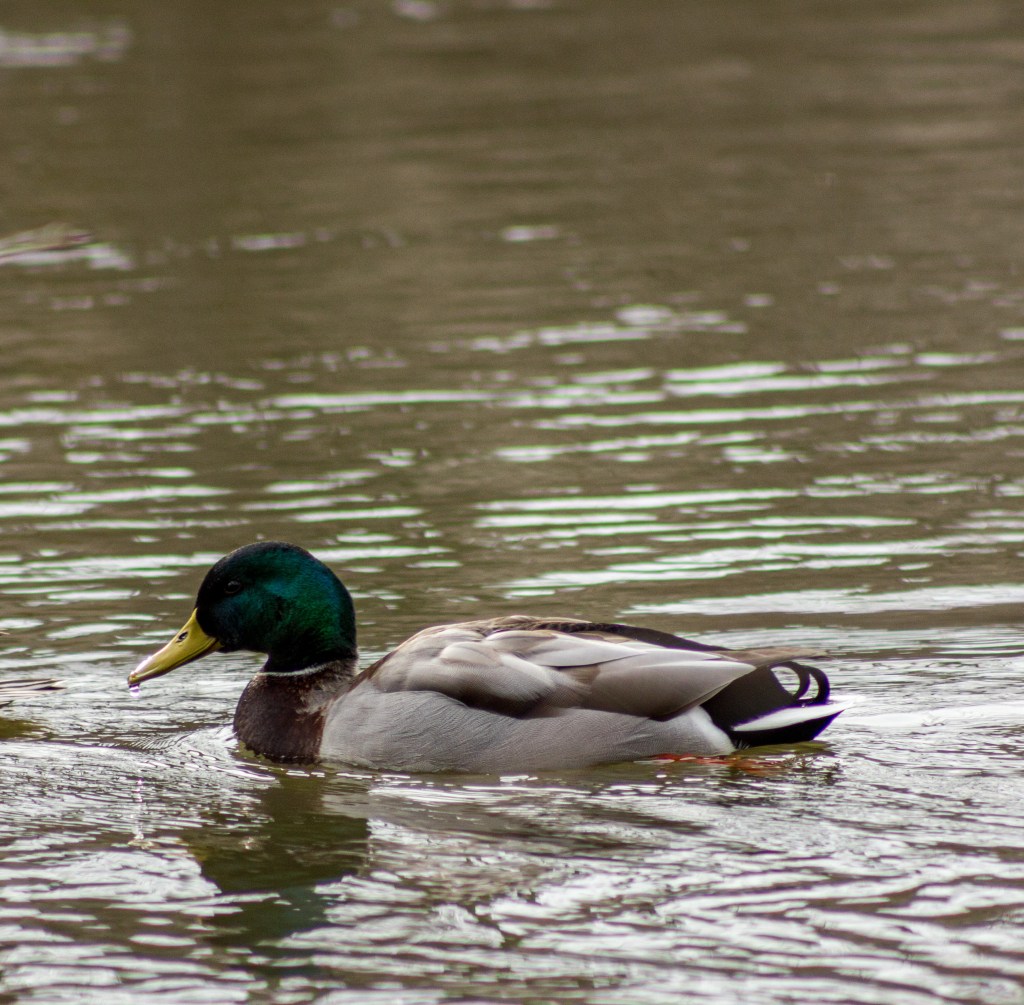
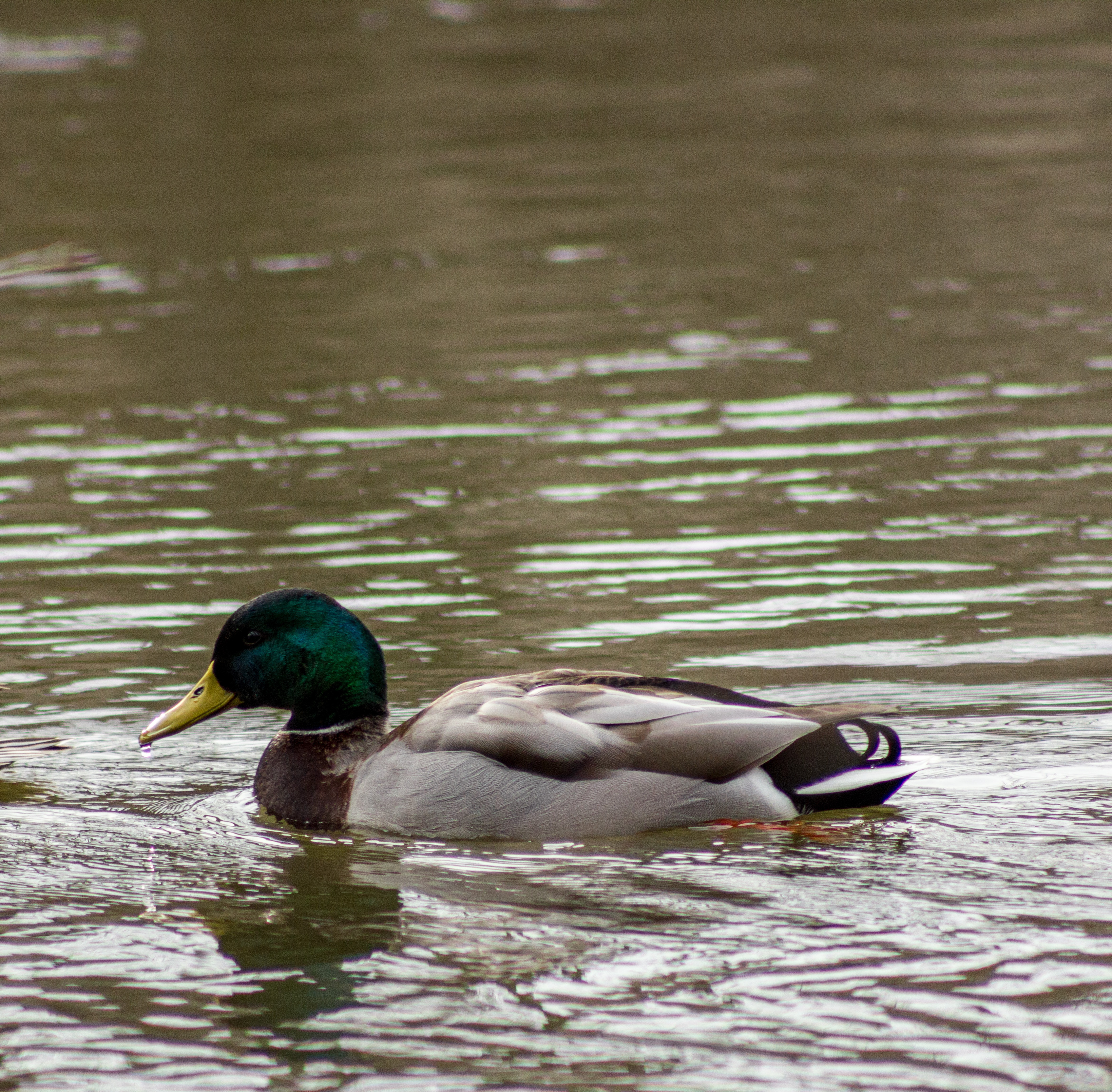
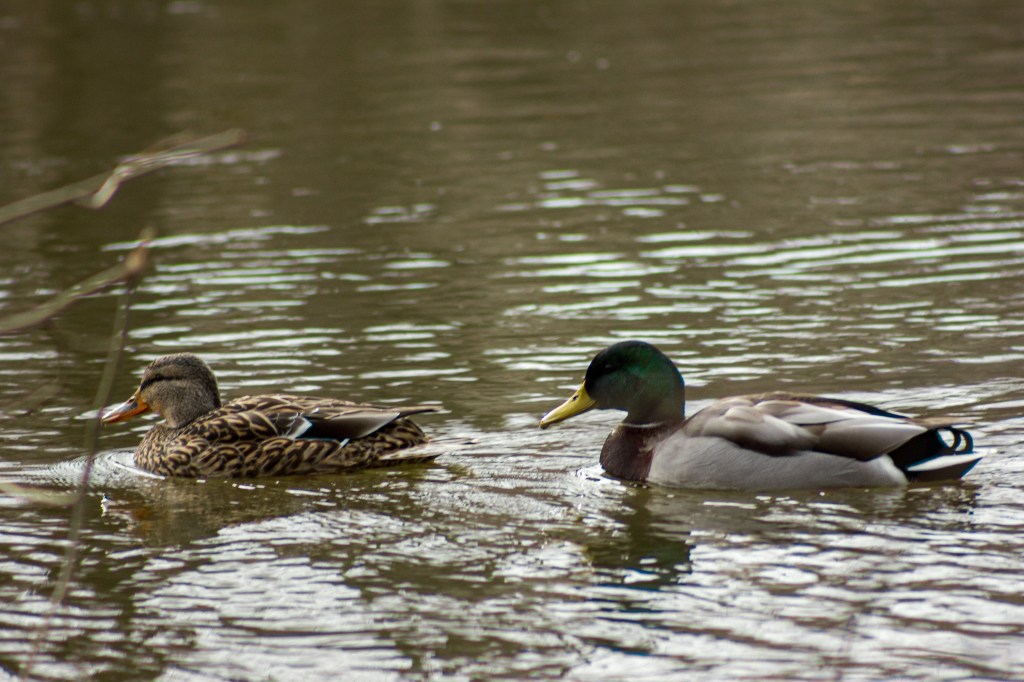
- Male Mallard: The male (drake) is easily recognizable with its iridescent green head, bright yellow bill, chestnut-brown chest, and grayish body. It also has a striking blue patch bordered by white on its wings, known as a speculum.
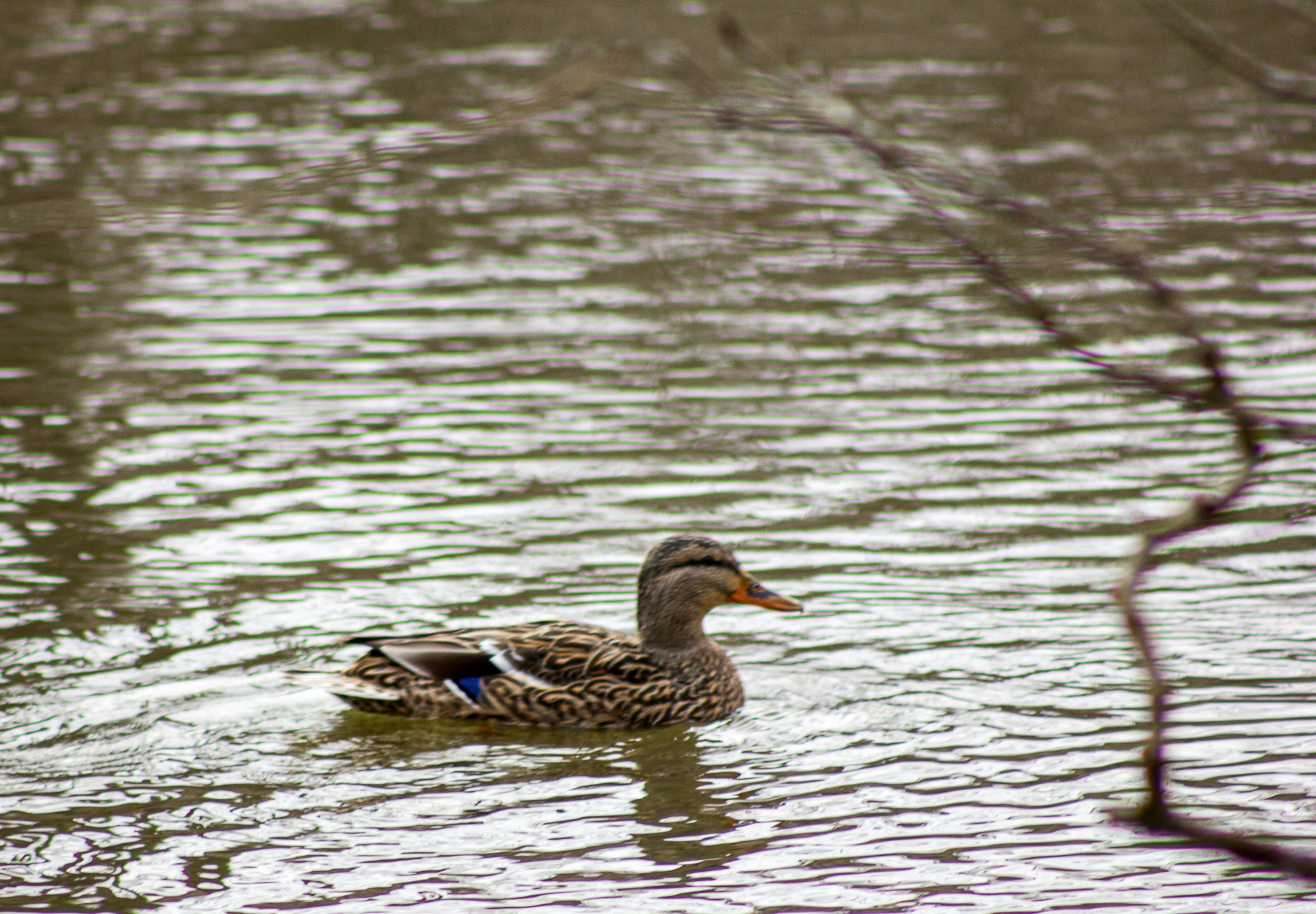
- Female Mallard: The female (hen) is more muted, with a brownish mottled plumage that provides excellent camouflage. Both males and females have orange legs and webbed feet.
- Size: Mallards are medium-sized ducks, measuring about 20-26 inches (50-65 cm) in length, with a wingspan of 32-39 inches (81-100 cm). They typically weigh around 2-3 pounds (1-1.4 kg).
Distribution:
Mallards are found in North America, Europe, Asia, and parts of North Africa, making them one of the most widely distributed duck species in the world. They thrive in a variety of habitats, including lakes, rivers, ponds, marshes, and urban parks. Their adaptability has even allowed them to colonize human-made environments such as reservoirs and city ponds.
Migration Patterns:
Mallards are migratory birds, though their migration patterns can vary depending on location and climate.
- North America: In North America, Mallards migrate from their northern breeding grounds in Canada and the northern U.S. to warmer regions in the southern U.S. and Mexico during the winter. Some populations in milder climates, such as the Pacific Northwest or parts of Europe, may remain year-round residents.
- Timing: The fall migration typically begins in late September to November, depending on weather conditions. They return to their breeding grounds in March and April.
- Routes: Mallards follow traditional flyways, such as the Mississippi, Atlantic, and Pacific flyways in North America. European populations migrate southward toward the Mediterranean and parts of North Africa.
Behavior and Social Structure:
- Feeding: Mallards are dabbling ducks, meaning they feed mainly by tipping forward in the water to graze on aquatic plants, insects, and small fish. They can also feed on land and are often seen foraging in fields or urban areas.
- Breeding: Mallards are monogamous for the duration of the breeding season but may switch mates from year to year. The female builds the nest, typically near water, and incubates the eggs for about 23-30 days. A clutch usually consists of 7-10 eggs.
- Flight: Mallards are strong, agile fliers, capable of reaching speeds of 55 miles per hour (88 km/h) during migration.
Fun Facts:
- Hybridization: Mallards are known to hybridize with other duck species, especially domestic ducks. This has resulted in a wide variety of plumage variations in certain areas.
- Quack Facts: Only female Mallards make the classic “quack” sound. Males produce a quieter, raspier call.
- Domestication: Many domesticated duck breeds, such as the Pekin duck, originated from Mallards. These domesticated descendants often retain similar physical features but are bred for meat or egg production.
- Mimicry: Some other duck species mimic Mallard appearance to deter predators. This form of mimicry, called Batesian mimicry, helps protect other species that might not be as strong or adaptable as Mallards.
- Urban Adaptability: Mallards are incredibly adaptable and have successfully integrated into urban environments. They are commonly found in city parks, often forming relationships with people who feed them.
- Moulting: Mallards undergo a molt after breeding, during which they shed their flight feathers and are temporarily flightless. This process typically lasts for about 3-4 weeks.
Ecological Role:
Mallards play an important role in their ecosystems. As dabblers, they help maintain the balance of aquatic plant life and contribute to seed dispersal. They also serve as prey for a variety of predators, including foxes, raptors, and large fish.
Their widespread presence, adaptability, and resilience make Mallards a crucial component of wetland ecosystems worldwide.
 Wild Bird Journal
Leave a comment