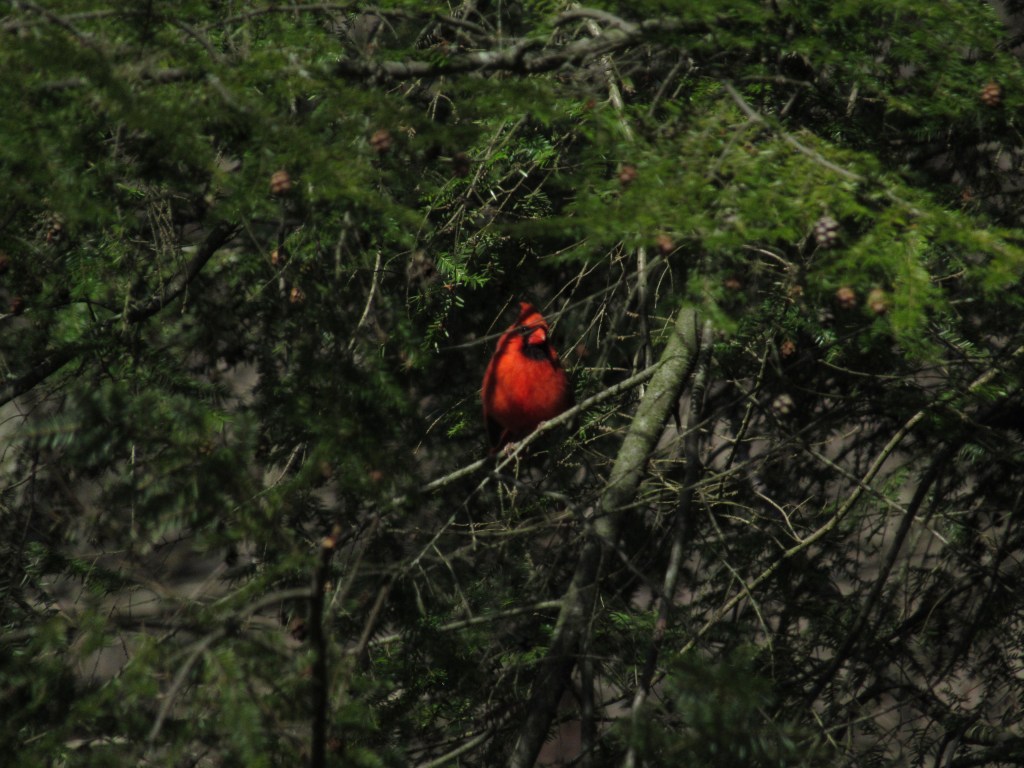


Cardinals are beloved North American songbirds known for their bright red plumage and sweet songs, especially the Northern Cardinal, which is one of the most recognizable bird species in the United States. Here’s a deep dive into these fascinating birds, their habits, and some interesting facts about them.
Appearance and Habitat
- Northern Cardinal: The Northern Cardinal, Cardinalis cardinalis, is famous for its vibrant red color, prominent crest, and black facial mask, which is most pronounced in males. Females are a bit more subdued in color, usually showcasing a mix of brown with tinges of red, particularly around their wings, tail, and crest.
- Range: Cardinals are primarily found in the eastern and central United States, Mexico, parts of Central America, and even as far north as southern Canada. They’re especially common in the southeastern US and favor environments like woodlands, gardens, shrublands, and wetlands.
- Adaptability: Northern Cardinals are highly adaptable, which has contributed to their expanding range. They thrive in suburban and urban environments, as well as rural areas, as long as there is enough cover and food.
Migration Patterns
- Non-migratory: Unlike many bird species, Northern Cardinals do not typically migrate. They are year-round residents in their range and stay close to their established territories.
- Behavioral Adaptation: During colder months, cardinals will often change their diet slightly to include more seeds and berries to maintain energy. Their thick feathers help them survive the cold, and they might gather in small flocks for added warmth.
- Territoriality: Cardinals are highly territorial, especially during breeding season. Males often sing loudly from high perches to announce their presence and defend their territory.
Diet
- Cardinals are omnivores, feeding on a wide range of foods that includes seeds, fruits, and insects. In winter, they rely more on seeds and berries, while in the summer and spring, they’ll eat more insects like beetles, flies, and grasshoppers, which provide protein for breeding and raising young.
- Favorite Foods: They particularly love sunflower seeds, safflower seeds, and peanut pieces, which makes them common visitors to backyard bird feeders.
Song and Communication
- Cardinals are vocal birds with a variety of clear, whistling calls and songs that males often use to mark territory. Both male and female cardinals sing, which is somewhat unique, as in many bird species, only males sing. The female’s song is often more complex, used for communication, particularly when nesting.
- Songs and Calls: Their song sounds like “cheer, cheer, cheer” or “birdie, birdie, birdie,” and their calls can vary based on location. It is believed that they have local “dialects” that vary across their range.
Reproduction and Family Life
- Nesting: Cardinals are monogamous and form pair bonds that often last for several seasons. After pairing, the female builds the nest in dense shrubs or trees. She constructs it with materials like twigs, leaves, and bark.
- Breeding Season: They generally raise two or three broods per season, beginning in early spring. Females lay between 2-5 eggs per clutch. After about 12 days of incubation, the eggs hatch, and both parents take part in feeding the young.
- Juvenile Appearance: Young cardinals are brown with a slight orange tint in their beaks. They gradually develop their adult colors after they leave the nest.
Fun Facts
- State Bird: The Northern Cardinal is the state bird of seven U.S. states: Illinois, Indiana, Kentucky, North Carolina, Ohio, Virginia, and West Virginia—more than any other bird!
- Name Origin: The name “cardinal” originates from the bright red robes worn by Catholic cardinals, which the male bird’s plumage resembles.
- Color Change: The red color in male cardinals’ feathers comes from carotenoids in their diet. Males with brighter feathers are often healthier and have better territory and mate prospects.
- Symbolism: Many cultures see the cardinal as a symbol of love, warmth, and positivity. They’re often associated with the presence of loved ones who have passed away, and many people find comfort in their presence.
Predators and Threats
- Natural Predators: Cardinals face predators such as hawks, owls, snakes, and domestic cats. The bright red coloring of the males, while helpful in attracting mates, can make them more visible to predators.
- Urban Challenges: Window strikes are a common issue for cardinals, especially as males can be aggressive towards their reflections, thinking they’re rivals. Reflective glass in cities can pose a threat.
Lifespan
- Cardinals can live up to 15 years in the wild, though their average lifespan is usually around 3 years due to various natural threats. In captivity, they can live up to 28 years.
The Northern Cardinal’s charm, resilience, and beautiful plumage have made it a cherished part of North America’s birdlife. Because they’re non-migratory, cardinals provide year-round joy and bring life to landscapes even during the quiet winter months.
Really hope you enjoy todays post and have a great day!


 Wild Bird Journal
Leave a comment