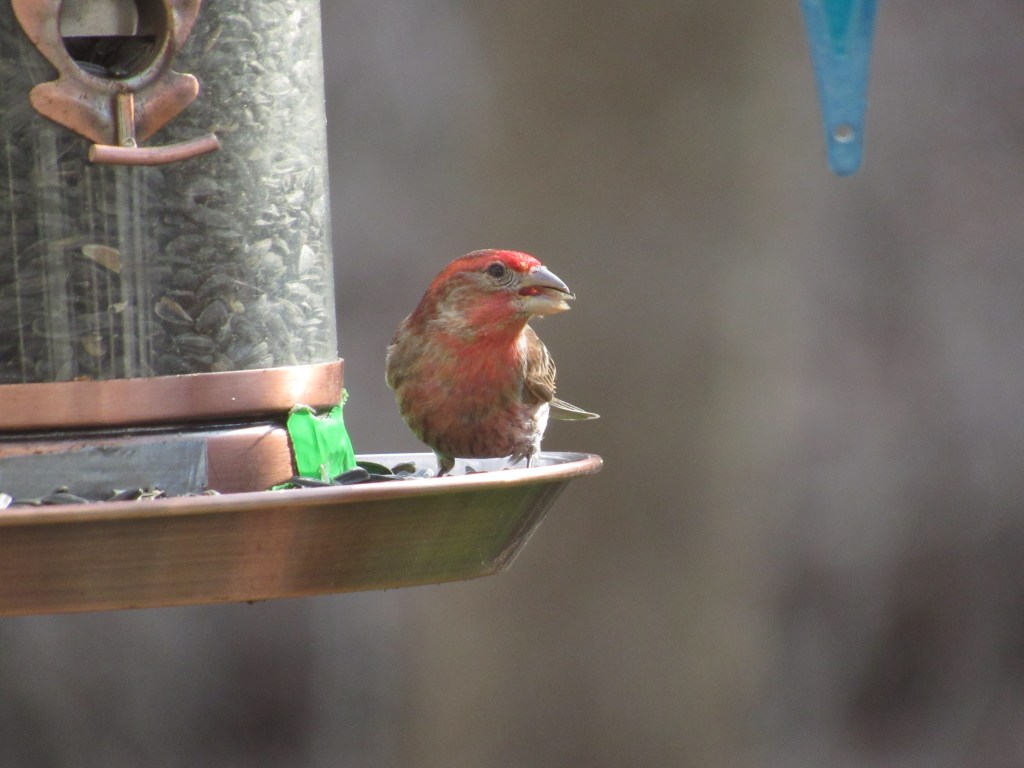


The House Finch (Haemorhous mexicanus) is a small songbird native to North America, known for its cheerful, bubbly song and adaptability to various environments, from rural farmlands to urban cityscapes. Originally native to the western United States and Mexico, this species has expanded its range eastward after being introduced in New York City in the 1940s. Now, House Finches can be found throughout much of the U.S. and parts of Canada, making them a widespread presence across the continent. Here’s a closer look at their appearance, behavior, diet, and migration patterns, along with some fun facts!
Appearance and Physical Traits
House Finches are relatively small, typically measuring about 5 to 6 inches (13 to 15 cm) in length, with an impressive wingspan ranging from 8 to 10 inches (20 to 25 cm). Males are particularly striking, exhibiting a reddish color on their heads, throats, and chests, which can vary in intensity depending on their diet and the availability of certain foods, with other parts of their plumage being a mix of brown and streaked patterns. This variation in color can function as an important visual cue during mating season, as females often prefer brighter males, interpreting their vivid coloration as a sign of good health and foraging success. Females, in contrast, are typically brown with subtle streaks across their entire body, lacking the red pigmentation that characterizes the males. The absence of bright colors in females helps them blend into their surroundings, providing a safer environment to nest and raise their young. The red pigment seen in males comes from carotenoids found in their food, which include seeds and fruits; therefore, the brighter red a male is, the more he might be seen as a successful forager—a trait that not only improves his chances of attracting females but also ensures that he is providing a rich diet for his potential offspring. This dynamic interplay between foraging habits and mating success highlights the fascinating ways in which House Finches navigate their environments and social structures.
Habitat and Behavior
House Finches are highly adaptable birds, comfortable in both wild and urbanized areas. They thrive in a wide range of environments, showcasing their resilience and ability to coexist with human development. These birds build their nests in a variety of locations, from trees and shrubs to building ledges, signs, and even hanging planters, displaying their resourcefulness in utilizing what is available to them. Their nests are typically made of twigs, grasses, and feathers, reflecting the natural materials found in their surroundings, and are often quite sturdy due to their unique construction techniques. House Finches are known for their sociable nature and often form flocks outside the breeding season, which can enhance their foraging efficiency and provide safety in numbers. Their cheerful songs and vibrant colors make them a delightful sight and sound in gardens and parks, where they contribute to the urban ecosystem and engage with the diverse populations of other birds. They have also adapted their diets to include a variety of seeds and fruits, further demonstrating their flexibility and keen survival instincts in various habitats.
Diet
House Finches primarily feed on seeds, buds, and fruits, making them frequent visitors to backyard feeders. They especially enjoy sunflower seeds and are known to consume a wide variety of plant materials, including dandelions and other weed seeds, which can help reduce unwanted plants in gardens. They’ll also eat berries and other small fruits, which contribute to the male’s bright red color.
Migration Patterns
Unlike many bird species, House Finches do not follow strict migratory patterns. In most parts of their range, they are considered resident birds, meaning they stay in one area throughout the year. However, House Finches in the northernmost parts of their range, such as Canada, may migrate short distances southward in winter if food sources are scarce or if temperatures drop significantly. These migrations are usually not far—House Finches typically move just enough to find a better supply of food and warmer temperatures. Some populations, especially in the eastern U.S., show “irruptive” migratory behavior, where large numbers of birds will suddenly appear in new areas in search of food, though this is less predictable and often influenced by environmental conditions.
Fun Facts about House Finches
- Rapid Range Expansion: House Finches were introduced to the eastern United States after pet shop owners in New York released them to avoid fines. They quickly adapted to the eastern environment and spread across much of North America.
- Disease Spread: House Finches were one of the first bird species to spread avian conjunctivitis, a bacterial disease that can cause swollen, crusty eyes and potentially lead to blindness. Researchers have studied House Finches to understand how diseases spread in wild bird populations.
- Color Variation Based on Diet: The bright red color seen in males is diet-dependent, stemming from carotenoids in their food. Males that eat foods rich in these pigments, like certain berries, develop brighter plumage, which females may find more attractive.
- Distinctive Song: House Finches have a delightful, complex song that consists of a series of short notes followed by a distinctive, slurred “cheer.” Males use their song not only to attract mates but also to defend their territory.
- Longevity and Predators: In the wild, House Finches typically live about 5 to 7 years, although some have been recorded living up to 10 years. They face various predators, including hawks, cats, and snakes, and are vigilant about their surroundings to avoid these threats.
You can help house finches in your backyard by providing a reliable food source, such as birdseed, and ensuring access to fresh water; planting native vegetation that produces seeds and offers shelter will also attract them and create a welcoming habitat. Additionally, setting up nesting boxes and keeping your yard free of pesticides can promote their well-being and encourage them to thrive in your outdoor space.
 Wild Bird Journal
Leave a comment