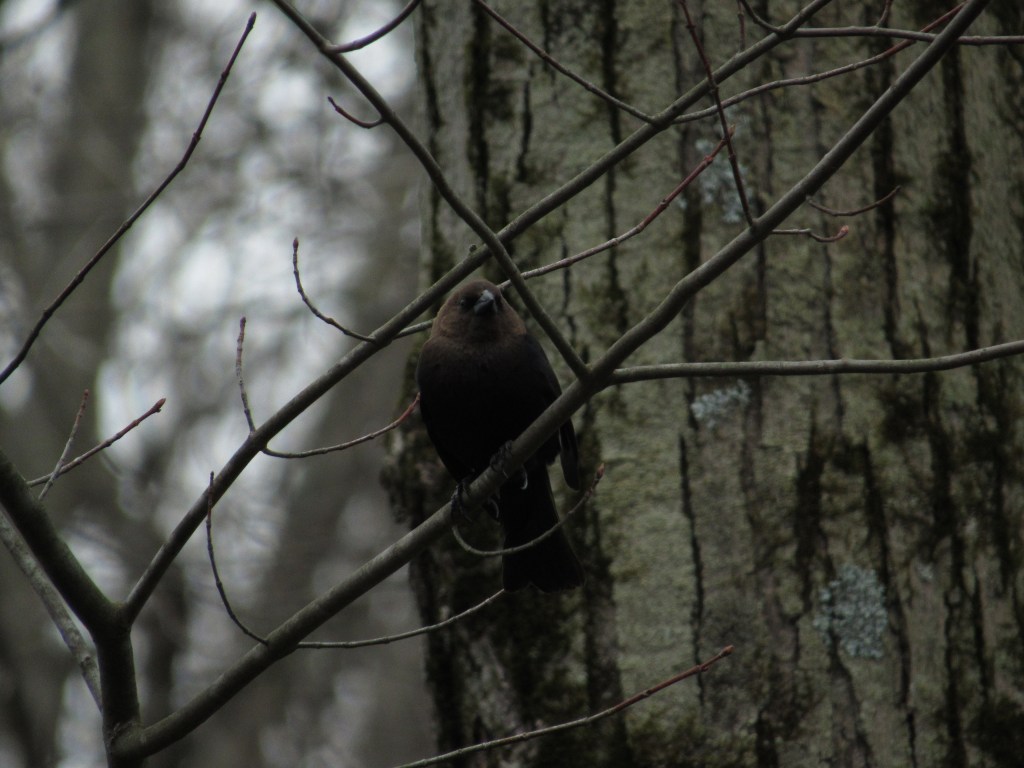


The cowbird is a small, often brown or black bird belonging to the family Icteridae in the order Passeriformes. There are several species within the cowbird genus, including the Brown-headed Cowbird (Molothrus ater) and the Shiny Cowbird (Molothrus bonariensis), with the Brown-headed Cowbird being the most common in North America. These birds are widely recognized for their unique reproductive strategy: brood parasitism.
Physical Characteristics
Cowbirds are medium-sized passerines, with males typically exhibiting glossy black or brown plumage and females sporting duller, brownish tones. The male Brown-headed Cowbird has a distinctive brown head and iridescent black body, while the female is more uniformly gray-brown, helping her blend into various environments, especially while nesting.
Habitat and Range
Cowbirds inhabit a wide range of environments, including grasslands, farmlands, and forest edges. They are native to North and South America, with species distributed across the Americas. Originally, cowbirds followed herds of bison and cattle on the Great Plains, feeding on insects stirred up by the grazing animals. This migratory lifestyle likely contributed to their evolution as brood parasites, as they couldn’t settle long enough to raise young in a nest of their own.
Diet
Cowbirds have a diverse diet, primarily consisting of seeds, grains, and insects. They are known to feed on grasshoppers, beetles, and spiders, along with agricultural crops such as corn and wheat. Their historical association with grazing animals helped them find insects disturbed by large herds, and in agricultural areas, they are often seen following tractors or livestock.
Brood Parasitism
One of the most distinctive features of cowbirds is their reproductive strategy of brood parasitism. Instead of building their own nests, female cowbirds lay eggs in the nests of other bird species, often at the expense of the host’s own offspring. This behavior can harm host populations, as the cowbird chick, which usually hatches first and grows rapidly, often monopolizes food provided by the host parents.
Cowbirds have evolved to lay eggs that mimic those of their hosts, and they are known to monitor nests closely. Some species, such as the Brown-headed Cowbird, can lay up to 40 eggs in a single breeding season, allowing their genetic material to spread widely. This parasitic behavior has led some host species to develop defenses, such as recognizing and rejecting cowbird eggs or abandoning parasitized nests entirely.
Impact on Other Bird Species
Cowbirds’ parasitism has had notable effects on various bird species, particularly smaller songbirds, whose young are often at a disadvantage compared to the larger, faster-growing cowbird chick. Host birds may lose entire clutches, which has contributed to the decline of certain species, especially those already threatened by habitat loss. Conservationists sometimes take measures to control cowbird populations, especially in habitats of endangered species vulnerable to parasitism.
Conservation Status and Human Interaction
Most cowbird species are not considered threatened and are listed as species of “Least Concern” by the IUCN, but their impact on local bird populations has led to control efforts in some regions. Cowbirds’ adaptability to agricultural and suburban environments has allowed them to expand their range, even into urban areas. Their presence is often beneficial for pest control, but their parasitic behaviors pose challenges for ecosystems with delicate balances among bird populations.
Cultural Significance
Cowbirds have sparked curiosity due to their unusual reproductive habits and their association with human-altered landscapes. They are sometimes viewed negatively by birdwatchers and conservationists due to the harm they can inflict on other bird species, particularly in ecosystems with vulnerable or threatened species.
 Wild Bird Journal
Leave a comment