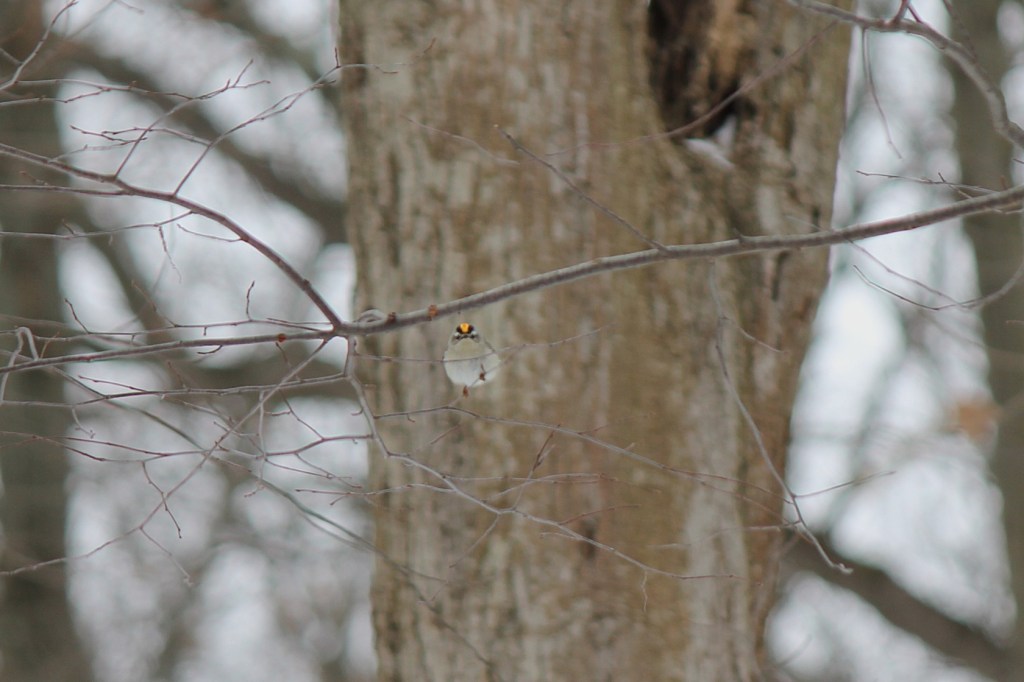

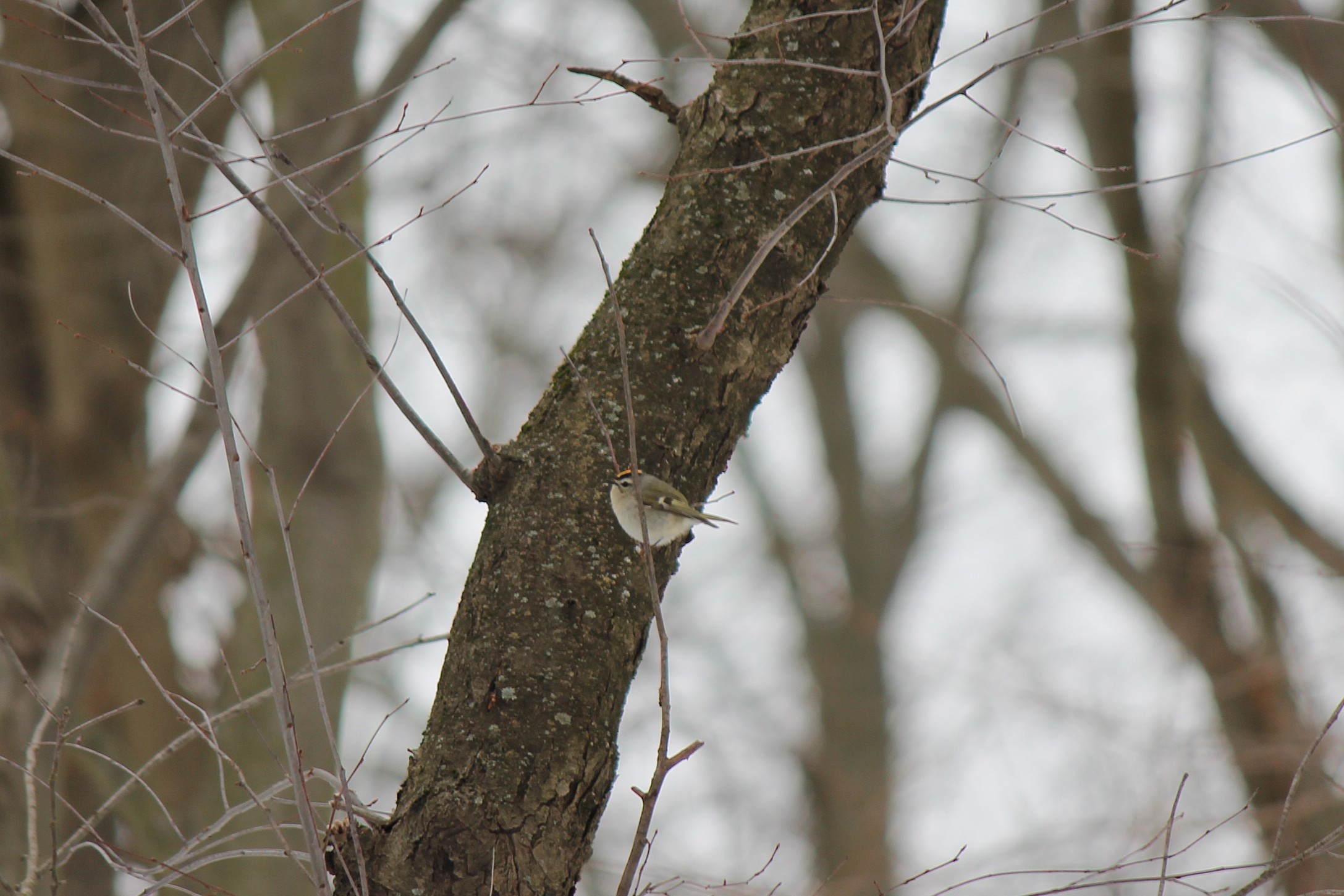
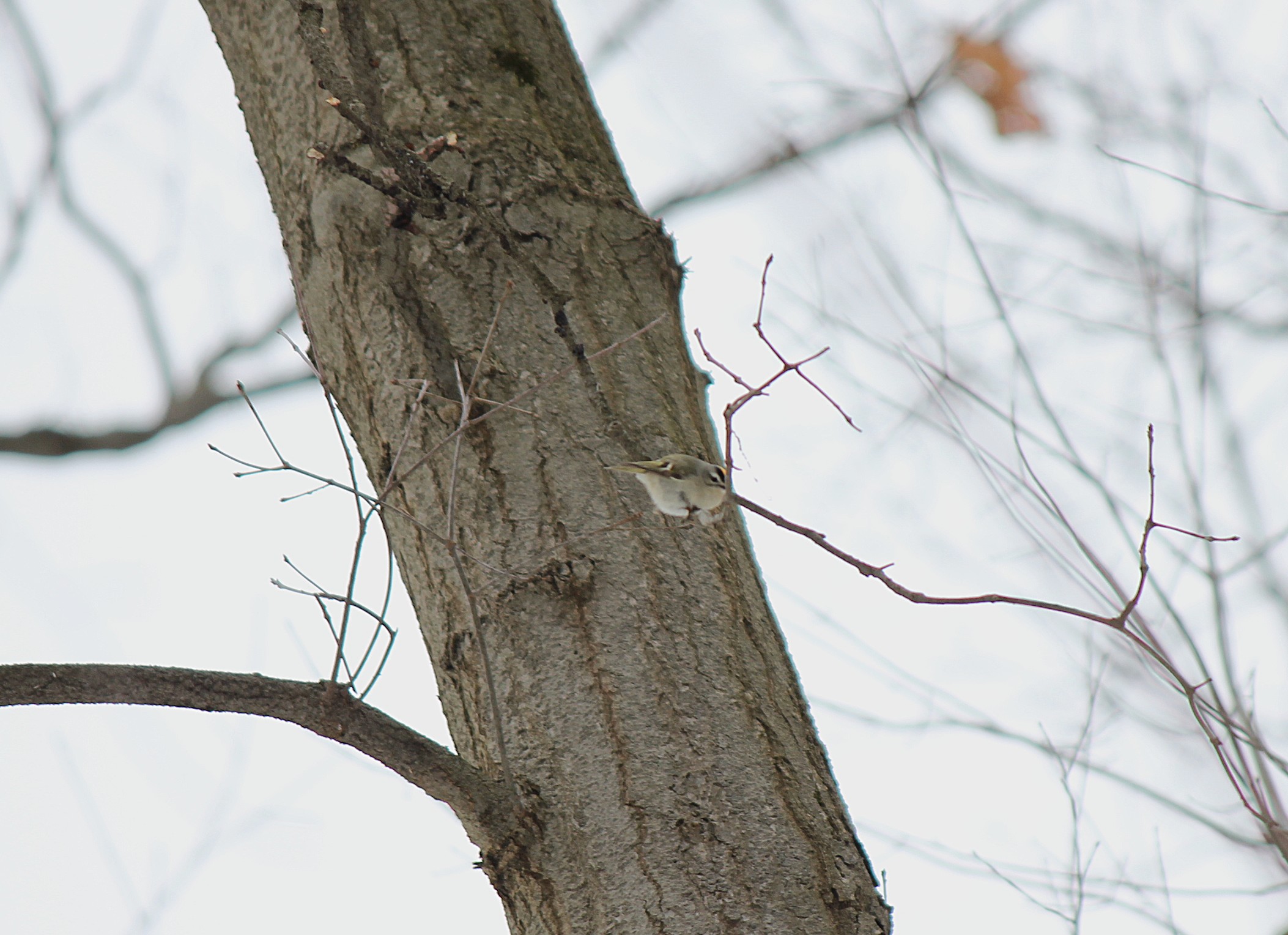
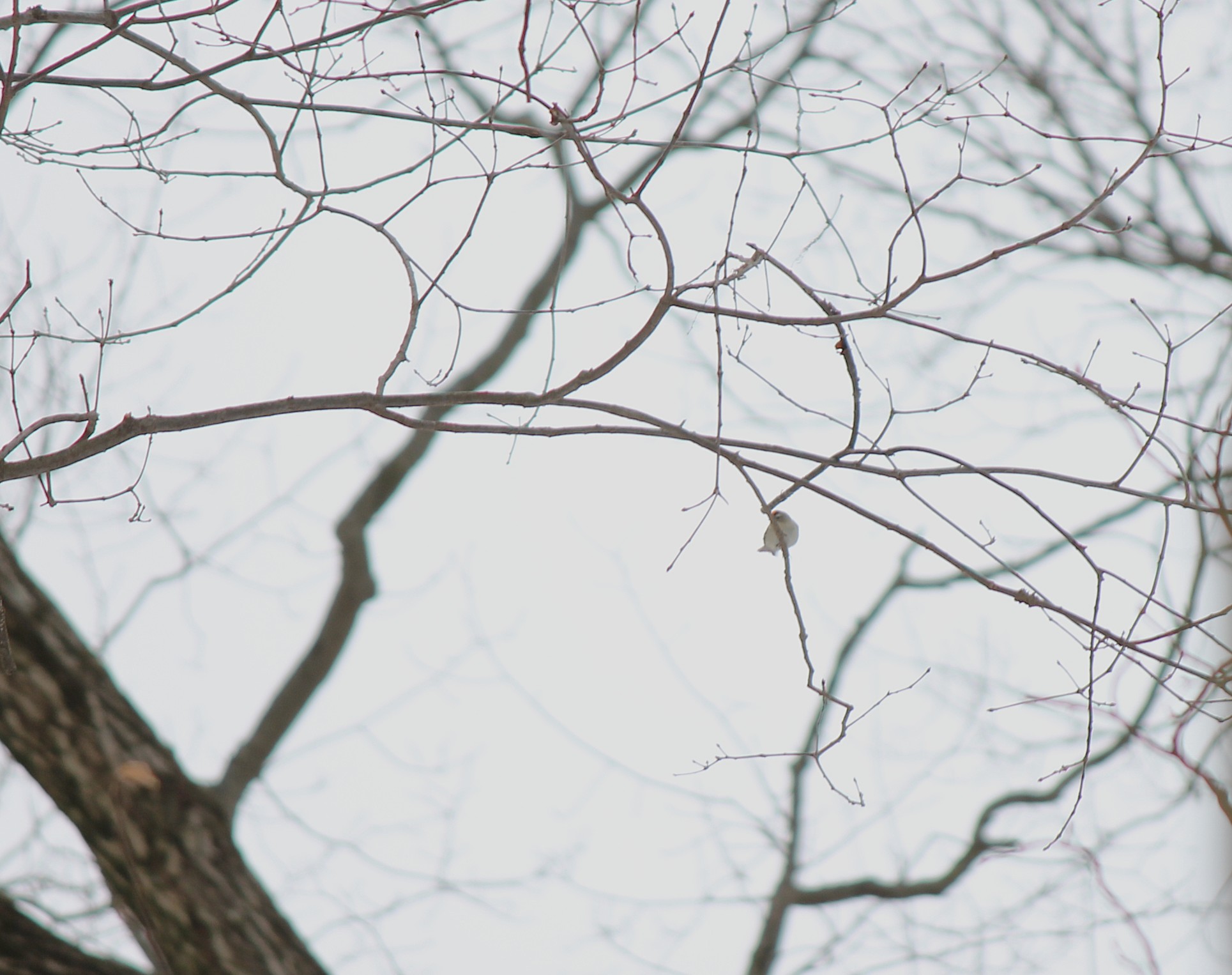
The Golden-crowned Kinglet (Regulus satrapa) is a small and energetic songbird native to North America. Renowned for its striking appearance and unique behaviors, it is a fascinating species that birdwatchers and ornithologists alike admire. Here’s an overview of its key features, habitat, behavior, and more:
Physical Description
Size: One of the smallest songbirds, measuring 3.1 to 4.3 inches (8–11 cm) in length, with a wingspan of 5.5 to 7.1 inches (14–18 cm), and weighing only 4–7 grams.
Plumage: Olive-gray body with pale underparts.
Crown: Distinctive feature—bright yellow or orange crown patch bordered by black stripes. Males typically display an orange-tinted crown, while females have a pure yellow patch.
Facial Markings: White eyebrow stripe with a black stripe running through the eye.
Tail and Wings: Short tail and wings adorned with white wing bars.
Habitat and Distribution
Found throughout North America, primarily in coniferous forests, but also in mixed woodlands, particularly during migration or winter.
Breeding habitats are concentrated in boreal forests, from Alaska and Canada to the northern United States.
During the non-breeding season, they migrate southward, reaching as far as the southern United States and parts of Mexico.
Behavior and Diet
Foraging: Active foragers, often seen flitting among tree branches, hovering, or hanging upside down while picking insects and spiders from foliage.
Diet: Primarily insectivorous, feeding on aphids, caterpillars, beetles, and other small arthropods. They also consume tree sap and occasionally seeds in winter.
Social Behavior: Known to form mixed-species flocks during winter with chickadees, nuthatches, and other small birds.
Call and Song: High-pitched, thin calls that resemble “tsee-tsee-tsee,” and a rapid, rising trill used for communication.
Breeding and Reproduction
Nesting: Nests are carefully concealed in high branches of coniferous trees. The nest is a deep, cup-like structure made of moss, lichen, and spider silk, lined with feathers for insulation.
Eggs: Clutch size ranges from 8 to 10 eggs—unusually large for such a small bird. Eggs are white with brown speckles.
Incubation: The female incubates the eggs for about 14-15 days, while the male brings her food.
Fledging: Chicks fledge approximately 18-19 days after hatching.
Adaptations
Cold Resistance: Golden-crowned Kinglets are remarkably hardy, surviving in freezing temperatures due to their efficient insulation and high metabolic rates. They huddle together for warmth at night.
Camouflage: Their plumage helps them blend seamlessly with their forested environment, offering protection from predators.
Conservation Status
IUCN Red List: Classified as “Least Concern” due to a stable population. Threats include habitat loss from logging and climate change, which may alter their breeding and wintering ranges.
Interesting Facts
The Golden-crowned Kinglet’s heart rate can exceed 1,200 beats per minute, reflecting its energetic nature. Despite their small size, these birds can endure harsh winters in boreal regions, showcasing incredible resilience. They often forage alongside Ruby-crowned Kinglets, a close relative, though the two are distinguishable by their crown coloration and song.
The Golden-crowned Kinglet is a small yet fascinating member of the avian world, admired for its beauty, toughness, and intriguing behaviors.
If you like what you see here feel free to subscribe! Its free and all it does is send an email when I post!
 Wild Bird Journal
Leave a comment