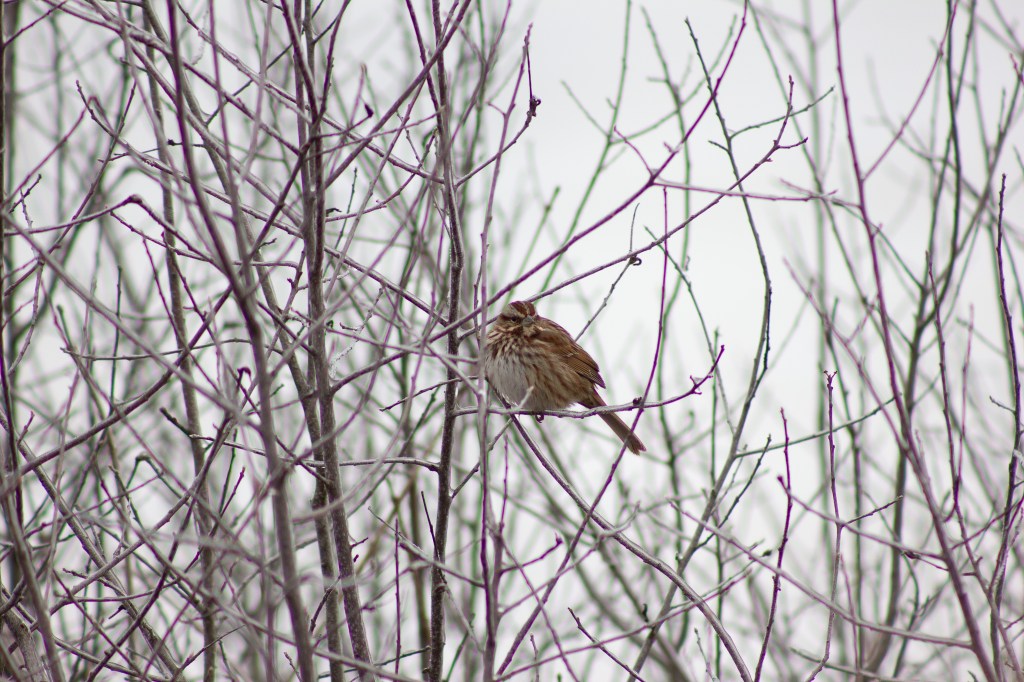
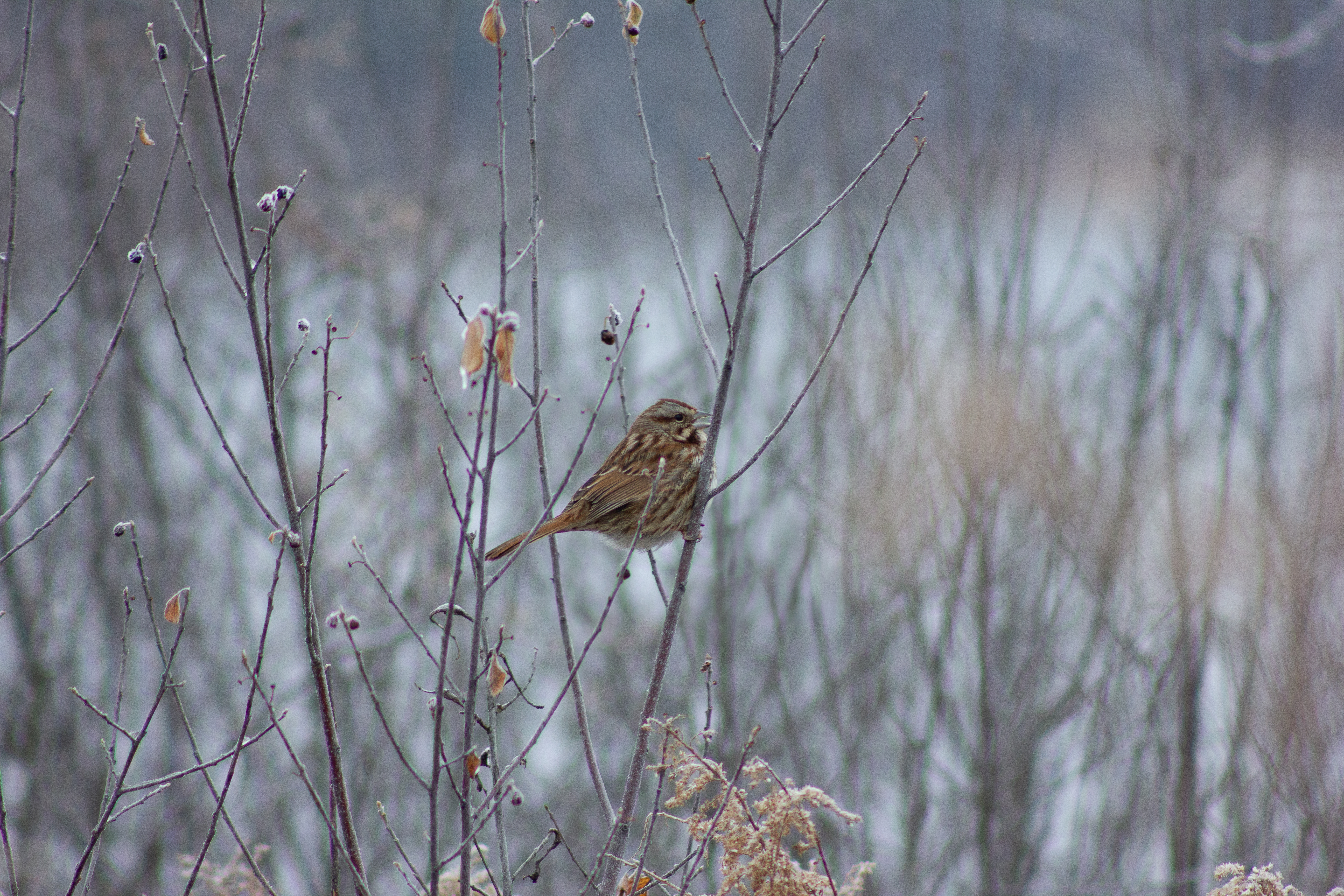

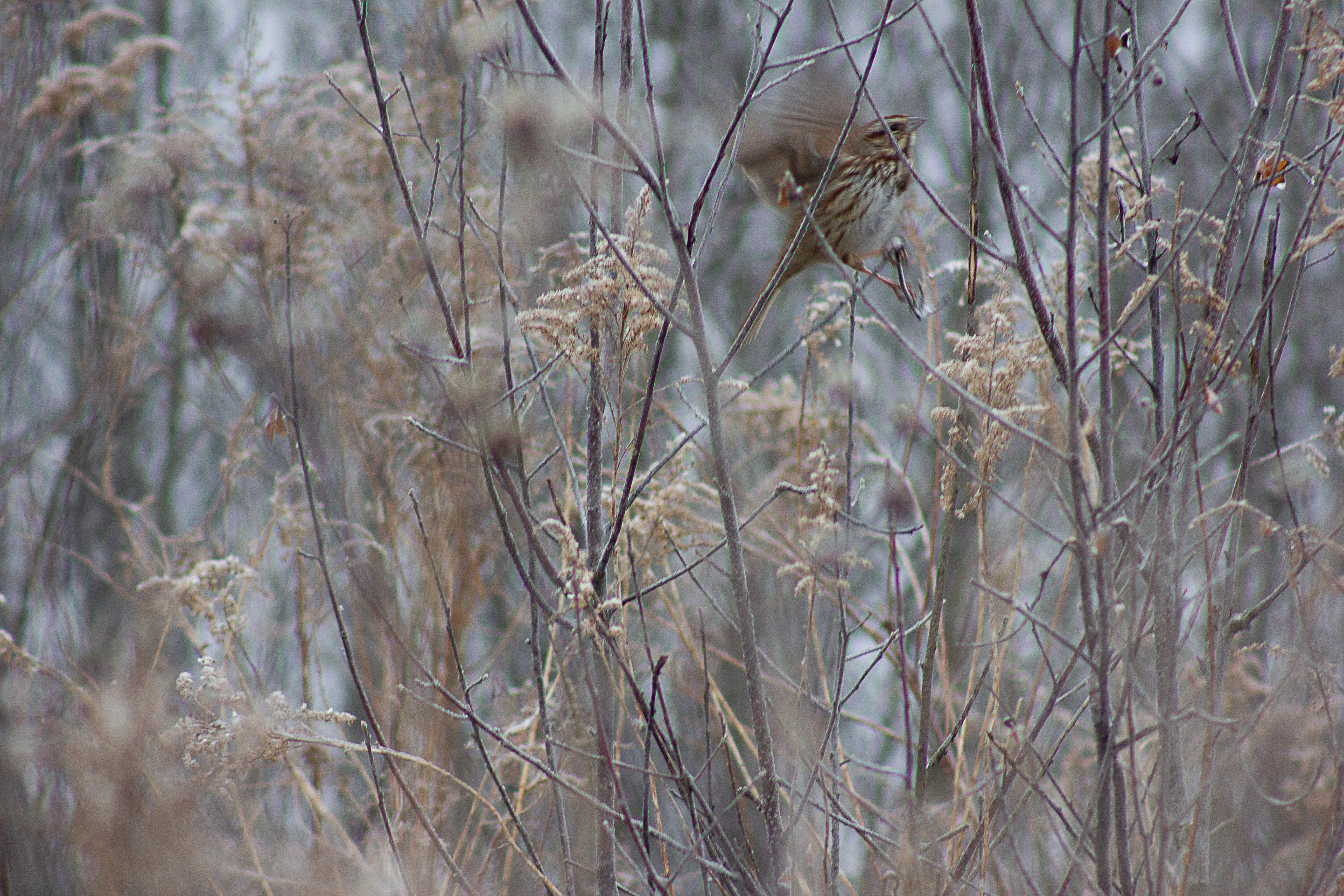
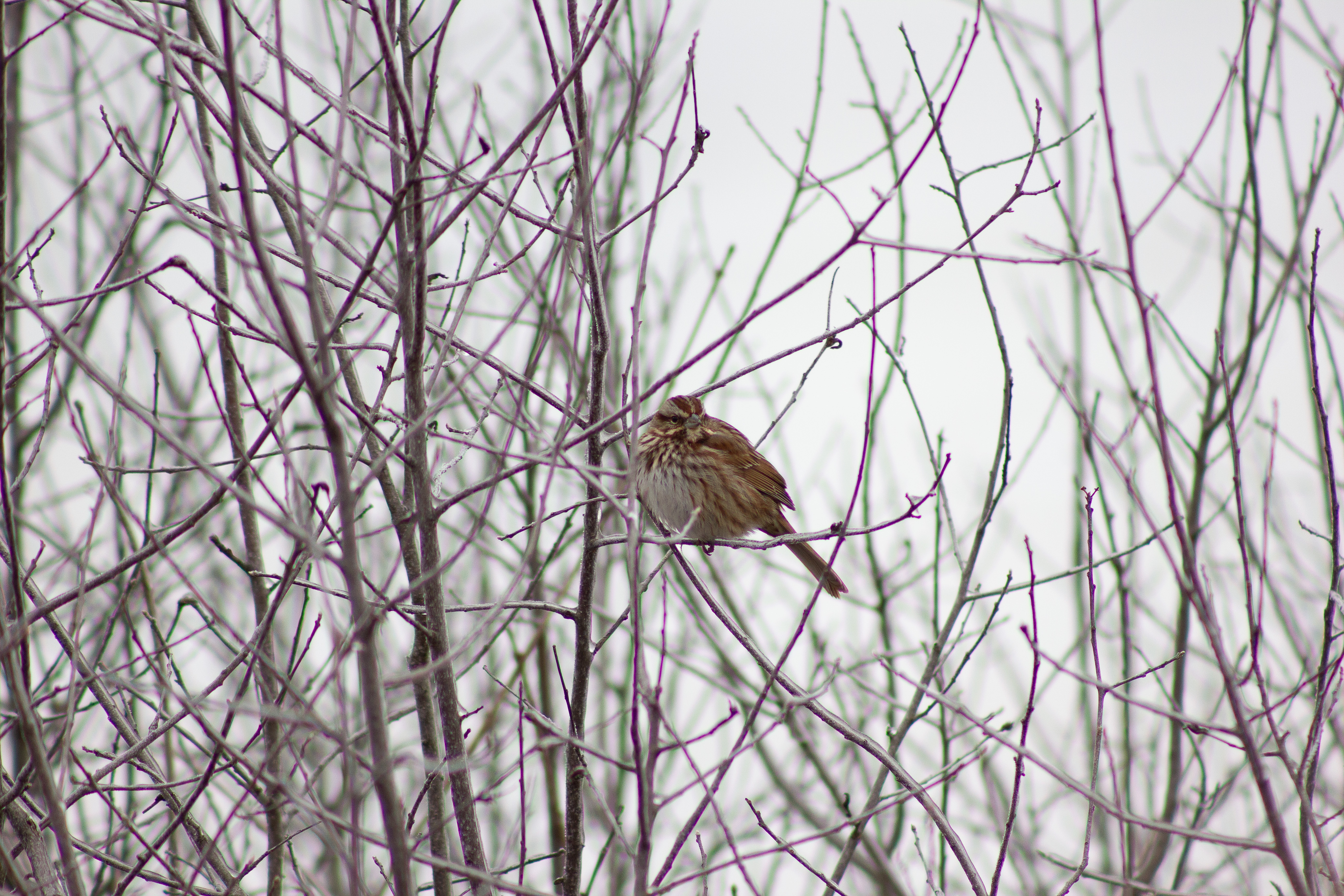
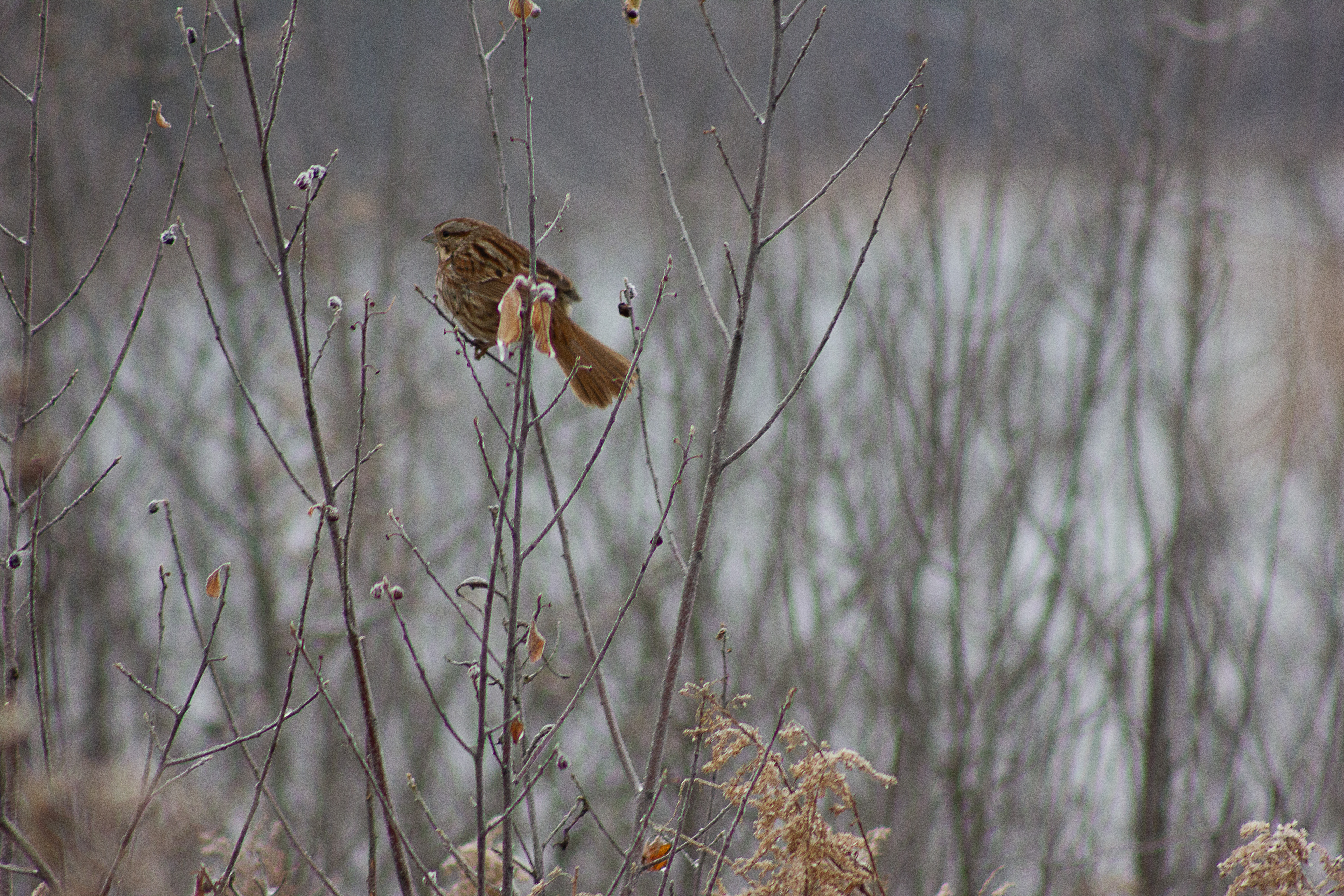
The Song Sparrow (Melospiza melodia) is one of the most widespread and recognizable songbirds in North America. It belongs to the family Passerellidae, which includes New World sparrows. Known for its melodious and varied song, this bird thrives in a wide range of habitats, from wetlands and grasslands to suburban gardens.
Identification
Size & Shape:
Medium-sized sparrow (5.5–7 inches in length). Plump body with a long, rounded tail. Short, stout, conical bill
Coloration & Markings:
Brown-streaked plumage with grayish-white underparts. Dark brown streaking on the chest that converges into a central dark spot (key identifier). Warm brown or rufous back with darker streaks. A grayish eyebrow and a rufous-brown crown with a central stripe
Differences Among Populations:
Coastal and island populations may be darker. Inland populations tend to be lighter with crisper streaking
Vocalizations & Song
Song: A rich, varied melody consisting of a few clear introductory notes followed by a trill and buzzy phrases. Call: A sharp “chimp” or “tchip” sound when alarmed. Variations: Males in different regions develop slightly different dialects. Purpose: Used for territorial defense and attracting mates
Habitat & Range
Found throughout North America, from Alaska and Canada to Mexico. Prefers brushy fields, marshes, forest edges, suburban gardens, and open woodlands. Resident in milder climates, while northern populations migrate south for the winter
Behavior
Foraging: Ground forager, hopping along the ground searching for seeds and insects. Diet: Omnivorous—eats seeds, insects, spiders, berries, and occasionally small crustaceans in coastal regions. Territoriality: Males fiercely defend their nesting sites with song and displays. Flight Style: Quick, fluttering flight with short bursts
Breeding & Nesting
Breeding Season: Spring to summer (March–August). Nest Location: Low in shrubs, grasses, or sometimes on the ground. Nest Composition: Made of grass, leaves, and bark strips, lined with fine grass and fur. Clutch Size: 3–5 eggs per brood, often having two or more broods per year. Incubation: 12–14 days by the female. Fledging: Young leave the nest around 10–12 days after hatching
Predators & Threats
Predators: Hawks, owls, snakes, domestic cats, and mammals like raccoons. Threats: Habitat loss, window collisions, and climate change
Interesting Facts
Highly Adaptable: Song Sparrows have adapted to many human-altered landscapes, thriving in suburban gardens. Individual Song Variation: Each male has a unique song repertoire, and neighboring sparrows may mimic each other’s phrases. Nest Parasitism: Sometimes targeted by Brown-headed Cowbirds, which lay their eggs in Song Sparrow nests.
Conservation Status
IUCN Status: Least Concern (Stable population).Despite habitat changes, Song Sparrows have remained abundant due to their adaptability.
The Song Sparrow is a beloved backyard bird, known for its cheerful singing and resilient nature. Whether in rural fields, marshy wetlands, or urban parks, this small but spirited bird continues to be a defining voice of North American landscapes.


 Wild Bird Journal
Leave a comment