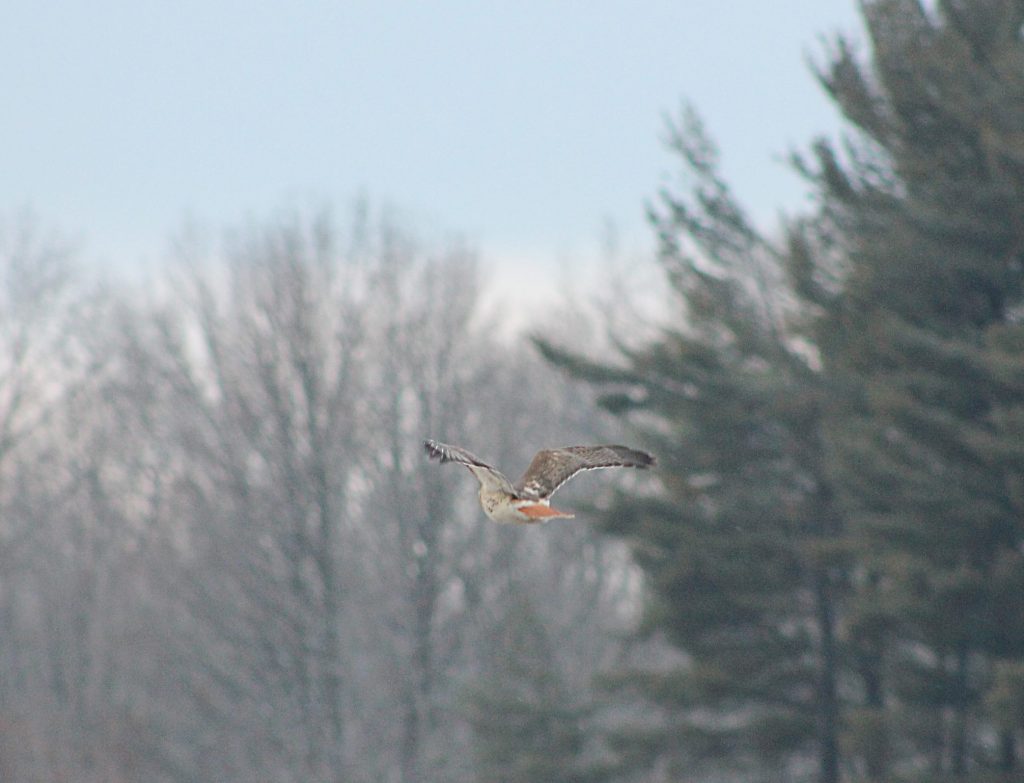
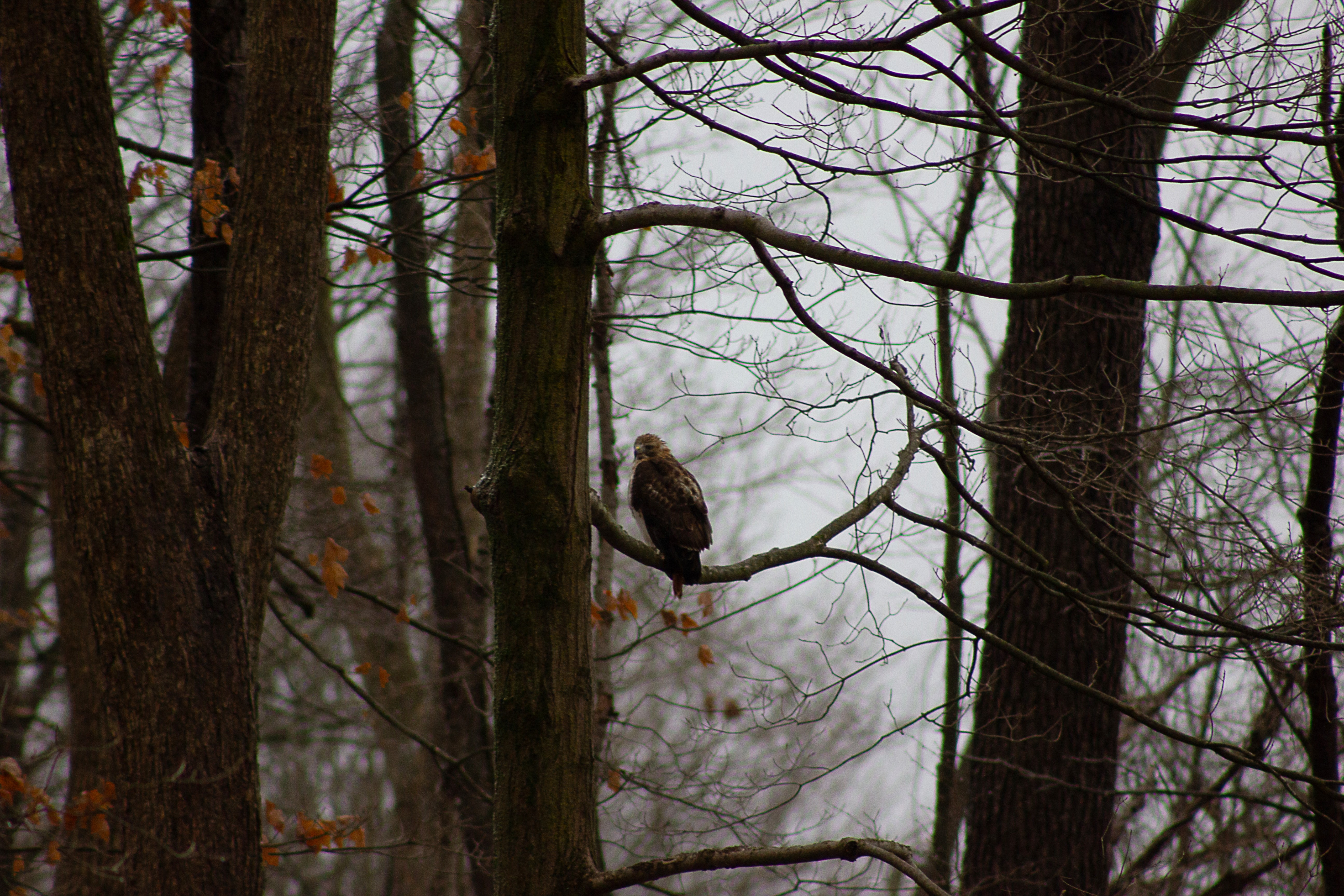

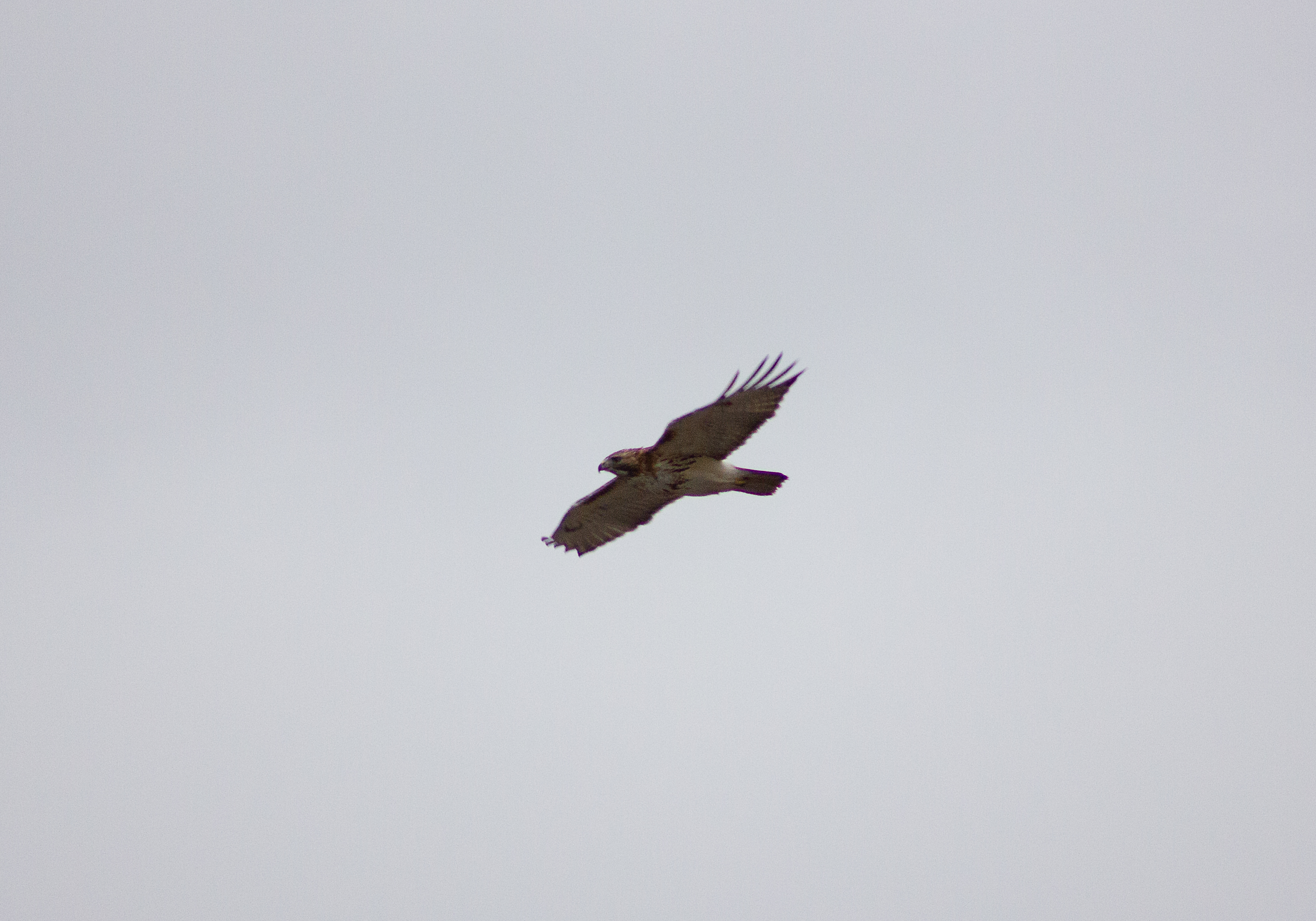
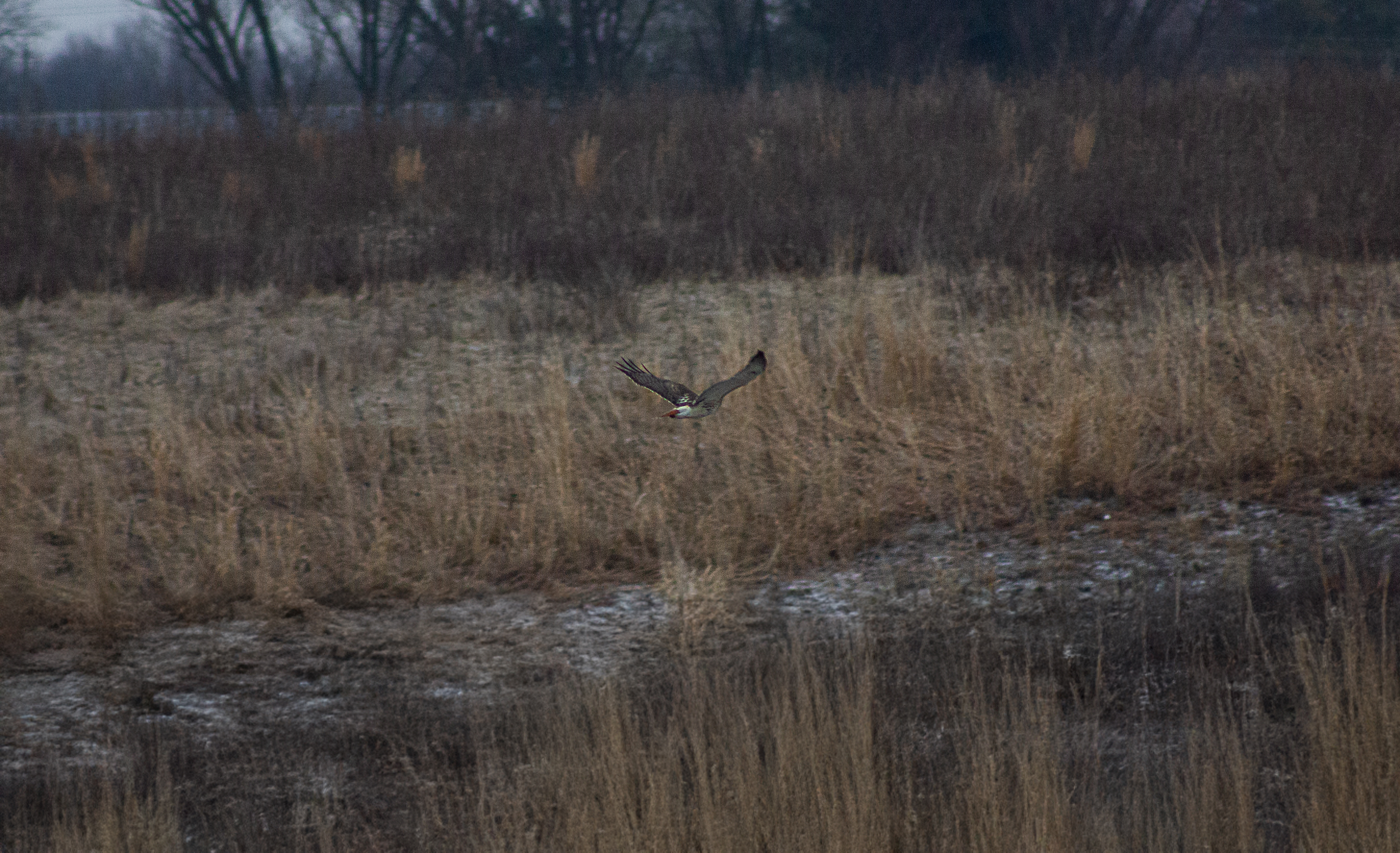
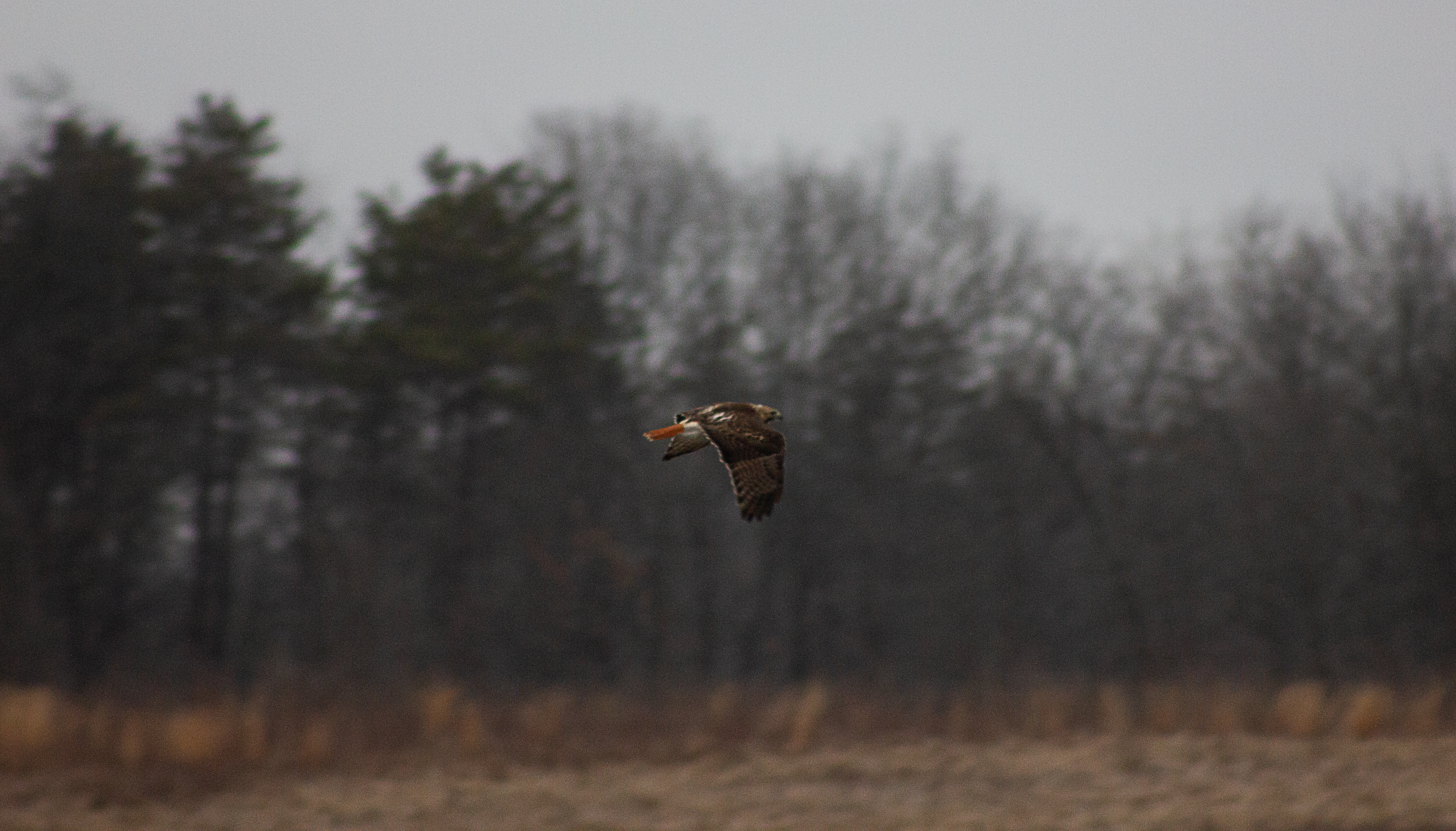
The red-tailed hawk (Buteo jamaicensis) is one of the most common and widespread raptors in North America. Found throughout the continent, from Alaska and Canada down through Mexico and Central America, this bird of prey is a member of the Buteoninae subfamily, known for their broad wings and soaring flight.
Physical Description
Size: Adults typically range from 17 to 25 inches (45-65 cm) in length with a wingspan of 3.5 to 4.8 feet (110-140 cm).Weight: Between 1.5 to 3.5 pounds (700-1600 grams), with females being larger than males. Coloration: While there is some regional variation, most red-tailed hawks have: A reddish-brown tail, which gives the species its name. A dark brown back and a lighter, whitish underbelly with a characteristic dark band across the belly. Dark upper wings and lighter underwings, often with a dark “patagial” mark along the leading edge of the wing.
Habitat and Range
Red-tailed hawks are highly adaptable and can be found in a variety of habitats, including: Forests, Grasslands and prairies, Deserts, Urban areas and farmlands, Mountainous regions up to 12,000 feet (3,600 meters) in elevation.
They thrive in areas with open space for hunting and high perches like trees, cliffs, utility poles, and fence posts.
Diet and Hunting Behavior
Red-tailed hawks are opportunistic hunters, meaning they will eat a wide variety of prey. Their diet primarily consists of: Rodents (mice, voles, squirrels, rabbits), Birds (pigeons, starlings, quail, and even other raptors), Reptiles (snakes and lizards), Insects (grasshoppers, beetles), Occasionally fish, amphibians, and carrion.
Hunting Tactics
They often hunt from a perch, scanning the ground for movement before swooping down to capture prey. They can also hover in place, particularly in open landscapes. Their powerful talons deliver a strong grip to immobilize prey.
Behavior and Communication
Red-tailed hawks are diurnal, meaning they are active during the day. Their call is a distinctive raspy scream (“kee-eeeee-arr”), often used in movies to represent any bird of prey. They are territorial and will defend their hunting grounds from other raptors. They use visual displays such as aerial dives and vocalizations to communicate.
Reproduction and Nesting
Red-tailed hawks form monogamous pairs and often mate for life. Breeding season: Typically from March to July. Nest locations: High up in trees, cliffs, or man-made structures. Nest construction: Made of sticks and lined with bark, leaves, and soft materials. Clutch size: 1 to 4 eggs, incubated for 28-35 days. Fledging: Young hawks leave the nest after 6-7 weeks, but remain dependent on parents for another few months.
Migration and Movement
Red-tailed hawks are partially migratory; while some populations remain in the same area year-round, others in northern regions migrate south in the winter. They use thermal updrafts to soar long distances with minimal effort.
Predators and Threats
Natural Predators: Great horned owls, Golden eagles, Other large hawks, Raccoons and crows (which steal eggs and young)
Human-Related Threats:
Habitat loss due to deforestation and urbanization. Collisions with vehicles, power lines, and wind turbines. Poisoning from rodenticides that accumulate in prey.
Despite these threats, red-tailed hawks are not endangered and have a stable population due to their adaptability.
Cultural Significance
Native American Symbolism: Many Indigenous cultures revere red-tailed hawks as symbols of strength, vision, and protection. Falconry: They are sometimes used in falconry, though they are difficult to train compared to other raptors. Hollywood: Their iconic scream is often used in films to represent all raptors, including eagles.
Interesting Facts
Red-tailed hawks can see 8 times better than humans. They can live up to 20+ years in the wild; the oldest known was 30 years old. Their eyesight is so sharp they can spot a mouse from over 100 feet away. They can adapt to city life, nesting on skyscrapers and hunting pigeons.
The red-tailed hawk is an iconic and crucial part of North America’s ecosystem, acting as a top predator that helps control rodent populations. Their impressive adaptability and striking appearance make them one of the most recognized birds of prey in the world.


 Wild Bird Journal
Leave a comment