Physical Description
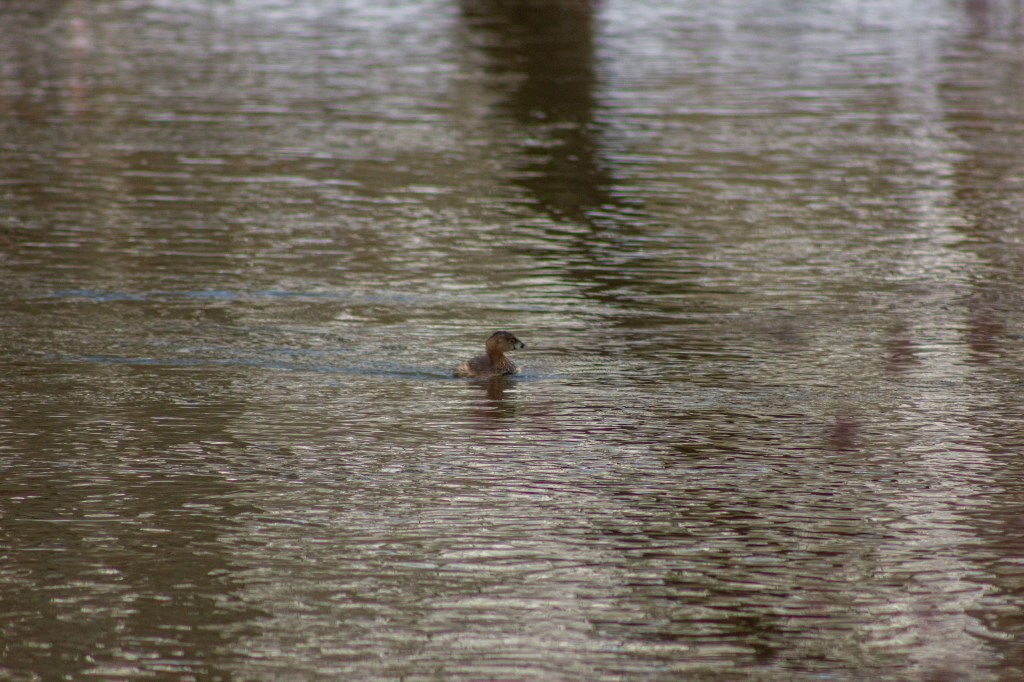
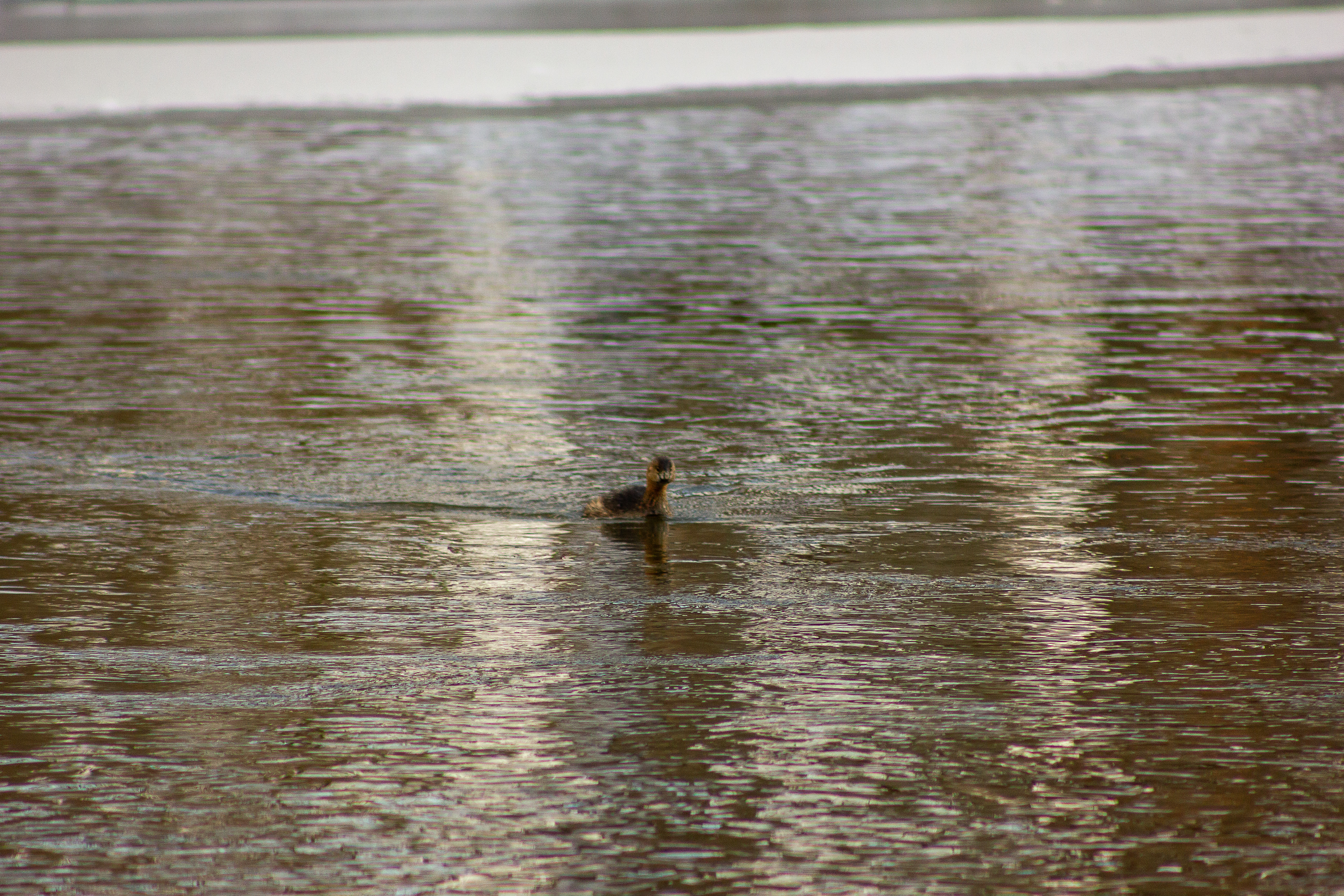
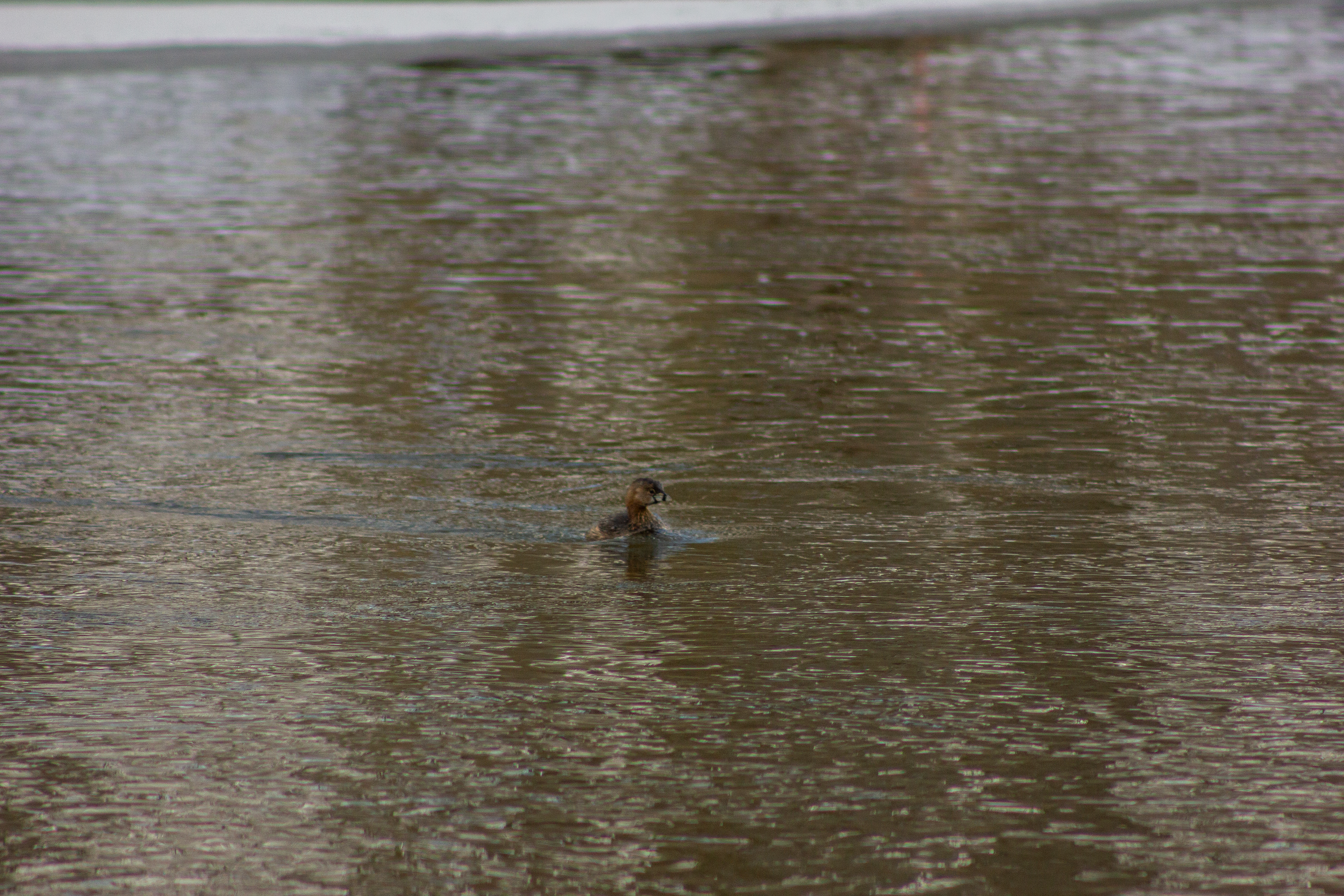
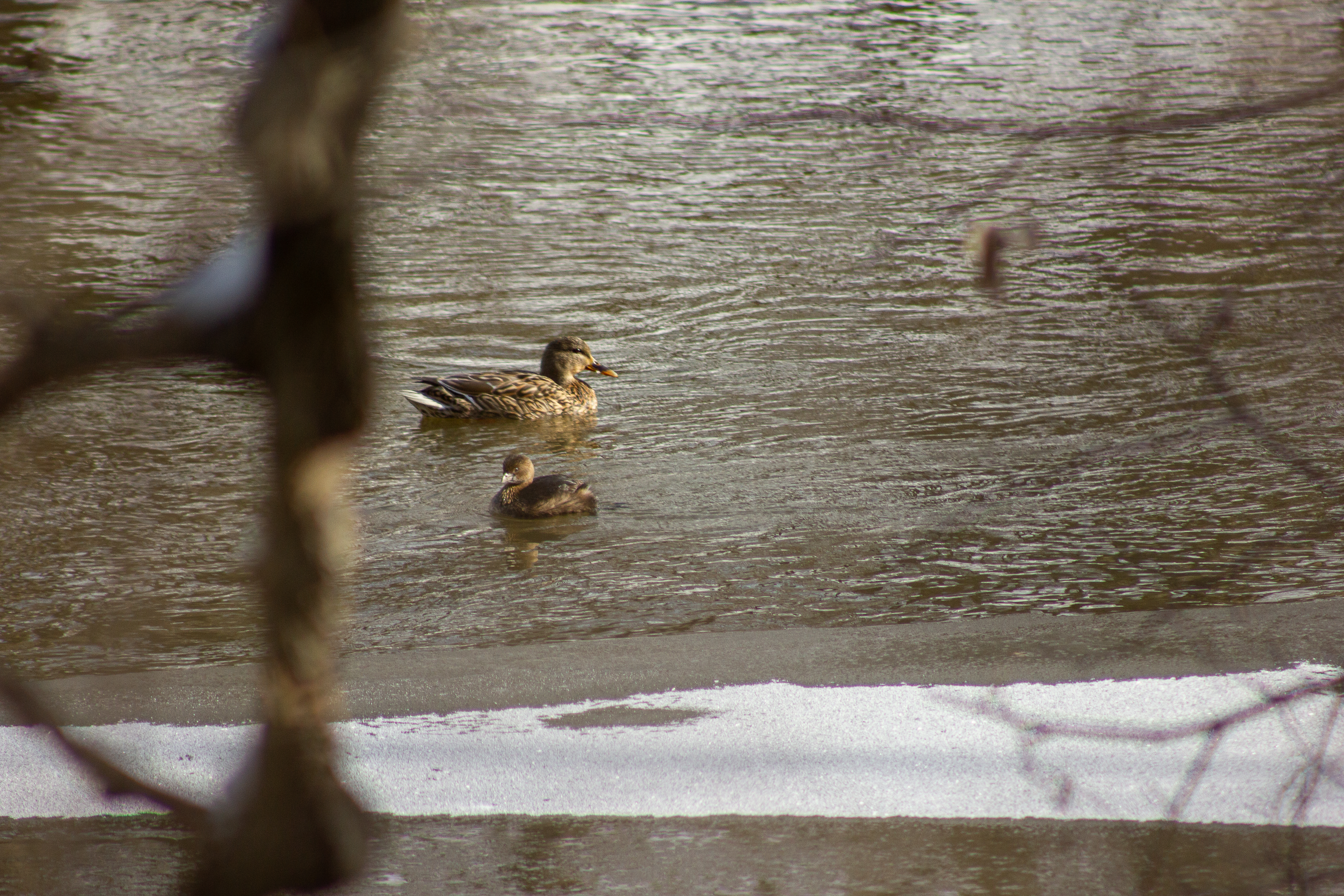
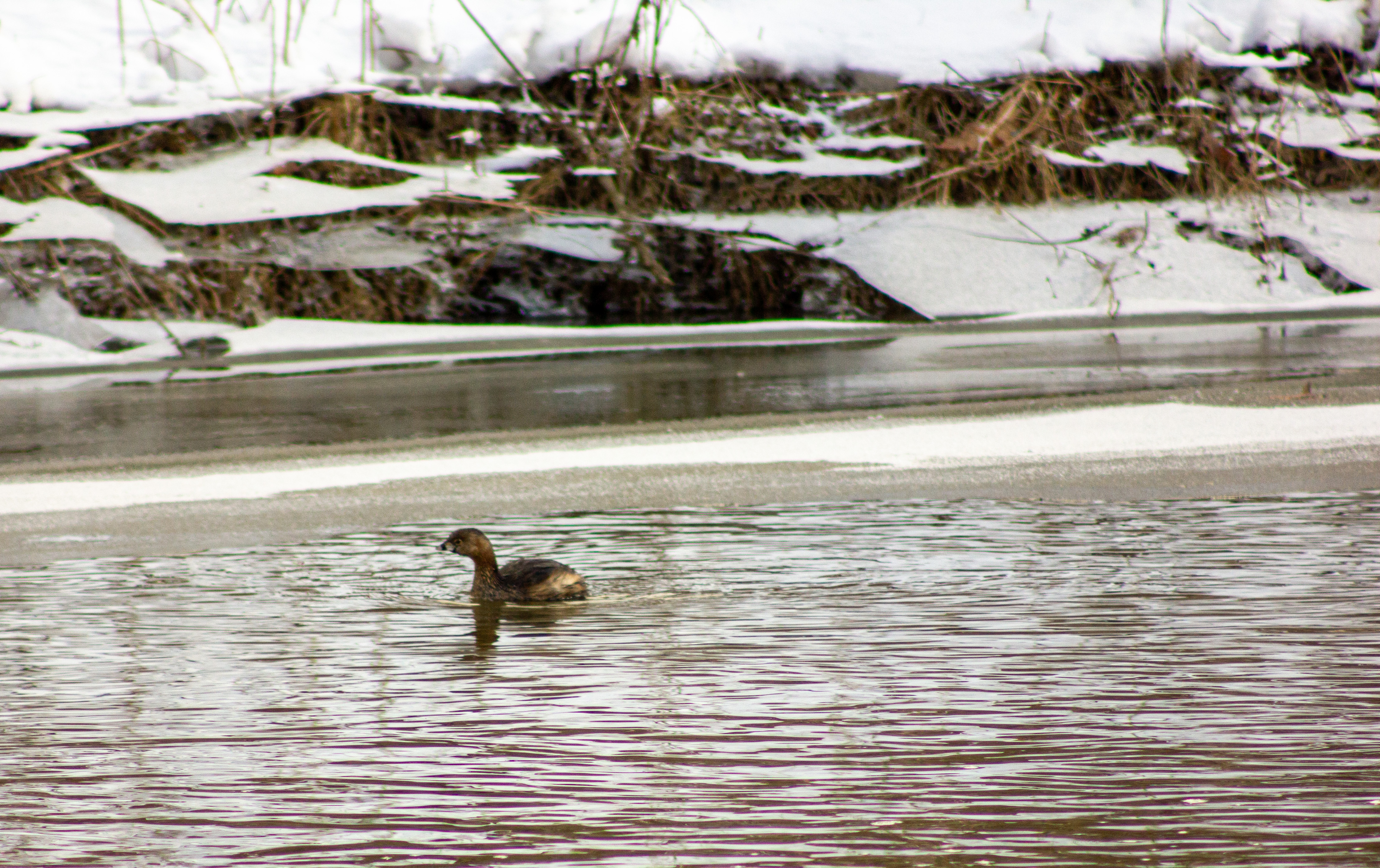
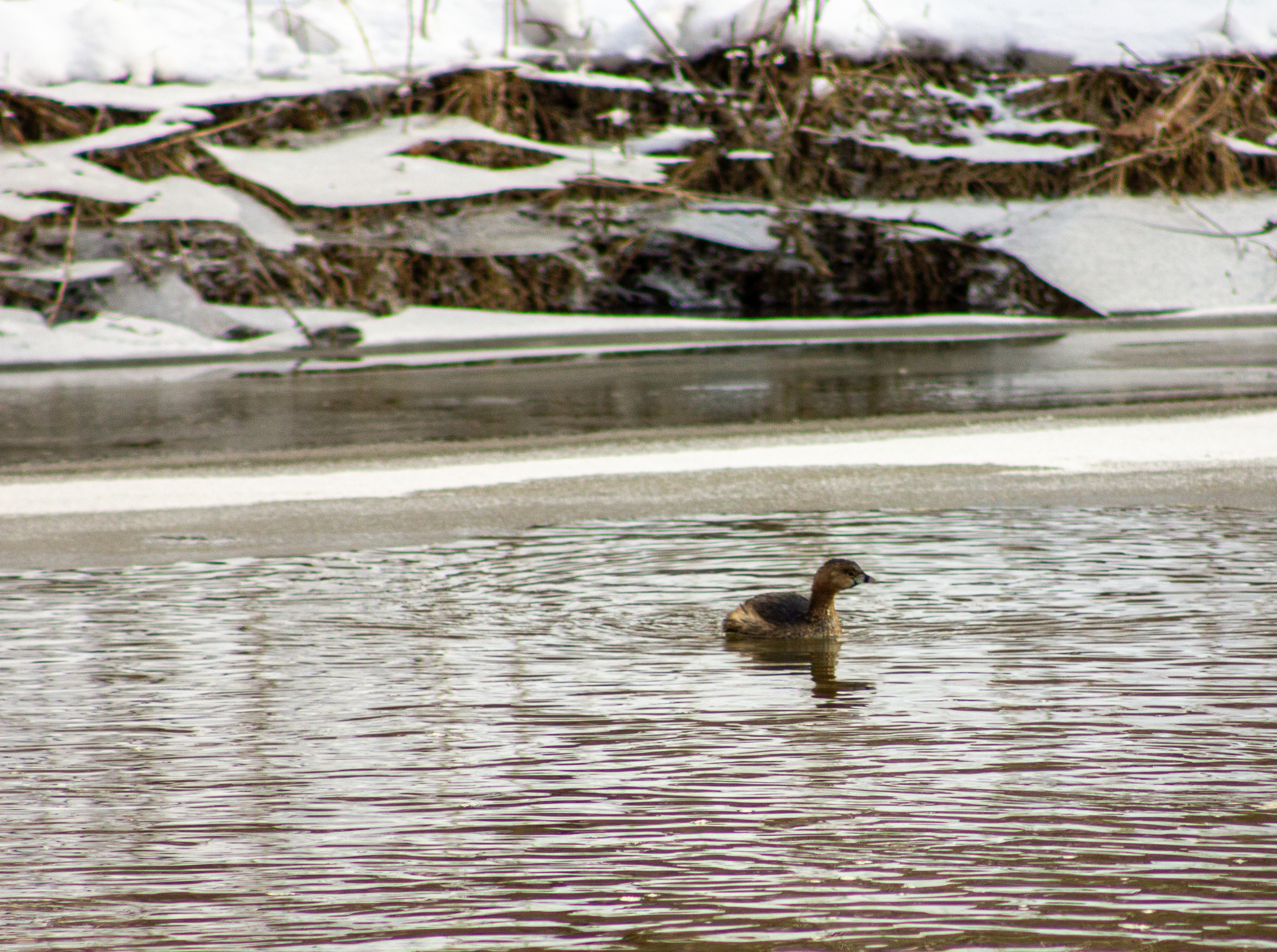
The Pied-billed Grebe is a small, stocky bird, measuring about 12–15 inches (30–38 cm) in length with a wingspan of 18–24 inches (46–61 cm). It weighs between 8–20 ounces (225–570 g). It has a compact body, a relatively short neck, and a distinctive, thick, conical bill, which gives it its name. During the breeding season, its bill is white with a black vertical band, while in the non-breeding season, the bill turns a duller shade of pale gray without the band.
Its plumage is mostly brown, which helps it blend into its wetland surroundings. Unlike many other waterbirds, it lacks bright colors or striking patterns. The brown coloration is darker on the upperparts and paler underneath, with a warm, buffy hue on the chest and flanks.
Habitat and Distribution
Pied-billed Grebes are found in freshwater wetlands, marshes, slow-moving rivers, and ponds across North and South America. Their range extends from Canada and the United States in the summer to Central and South America in the winter. Some populations in the southern U.S. and tropical regions are year-round residents.
These birds prefer wetlands with dense vegetation, such as cattails and reeds, which provide cover from predators. They thrive in habitats with floating vegetation where they can build their nests.
Behavior and Adaptations
Pied-billed Grebes are solitary and secretive. Unlike ducks, they are rarely seen in large flocks and prefer to stay hidden in marshes. Some key behaviors include:
Diving and Swimming: Pied-billed Grebes are excellent divers and can stay underwater for long periods. Instead of flying away from threats, they often sink beneath the surface, leaving barely a ripple. This ability, sometimes called “sinking like a submarine,” helps them evade predators.
Flight and Migration: These birds are strong but reluctant fliers. Their wings are short, and they rarely take to the air unless necessary. Many populations migrate at night, often unseen.
Vocalization: Pied-billed Grebes have a loud, distinctive call, often described as a whinnying or cuckoo-like series of notes. They use their calls for territory defense and mating.
Diet and Feeding
Pied-billed Grebes are carnivorous, feeding primarily on small aquatic animals. Their diet includes: Fish, Crustaceans (such as crayfish), Insects (dragonfly larvae, beetles, etc.), Amphibians (small frogs and tadpoles), Mollusks, and other invertebrates
They hunt by diving underwater and capturing prey with their sharp beak. They often swallow small prey whole but may shake or manipulate larger food items before consuming them.
Reproduction and Nesting
Pied-billed Grebes are monogamous, with pairs forming each breeding season. They are known for their floating nests, which they build using aquatic plants anchored to vegetation.
Nesting facts include: Breeding Season: Typically from April to August in North America. Clutch Size: Usually 3–10 eggs. Incubation: About 23 days, with both parents taking turns. Chick Development: Chicks are precocial, meaning they hatch with downy feathers and are active soon after birth. They often ride on their parents’ backs for safety.
Unlike many other birds, Pied-billed Grebes eat their own feathers and feed them to their young. This unusual behavior helps form a protective layer in the stomach, which prevents sharp fish bones from causing injury.
Predators and Threats
Despite their secretive nature, Pied-billed Grebes face predation from: Birds of prey (hawks, eagles), Snakes, Large fish, Mammals (raccoons, mink)
Habitat loss due to wetland destruction is their biggest long-term threat. Pollution, water level fluctuations, and human disturbances also impact their populations.
Conservation Status
The Pied-billed Grebe is classified as Least Concern by the IUCN Red List, meaning it is not currently at risk of extinction. However, local populations can decline due to habitat destruction and climate change.
Efforts to protect wetlands and freshwater habitats are essential to ensuring stable populations.
Interesting Facts
Unlike many waterbirds, Pied-billed Grebes lack webbed feet; instead, they have lobed toes, which help them propel through water efficiently. They are sometimes called “hell-divers” because of their ability to disappear underwater instantly. Fossils show that the Podilymbus genus dates back several million years, indicating that these birds have been well-adapted for a long time.
 Wild Bird Journal
Leave a comment