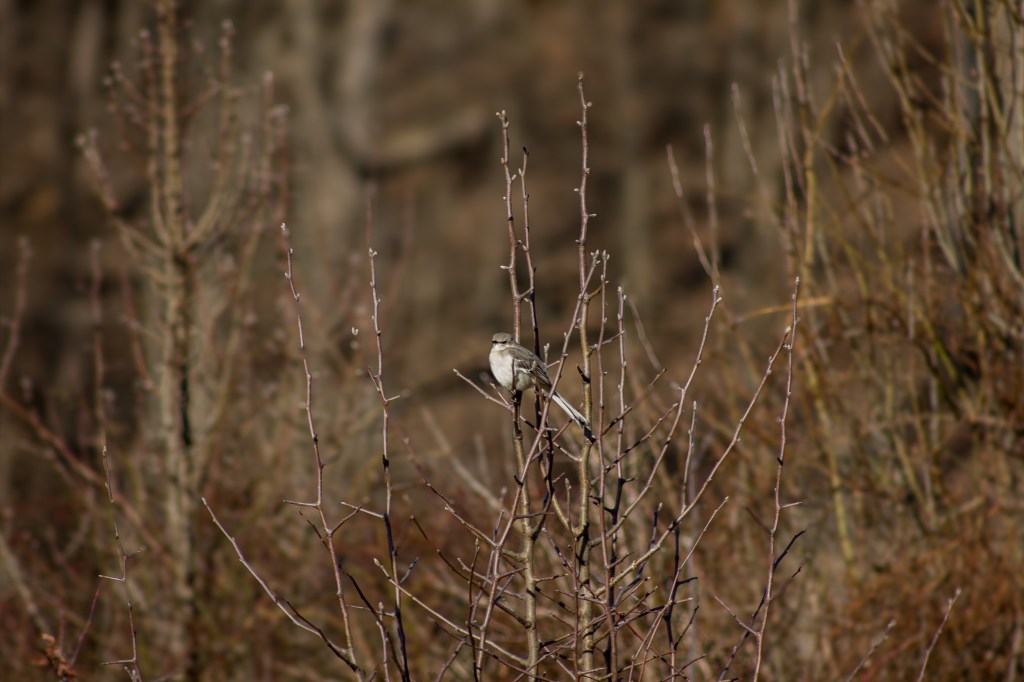
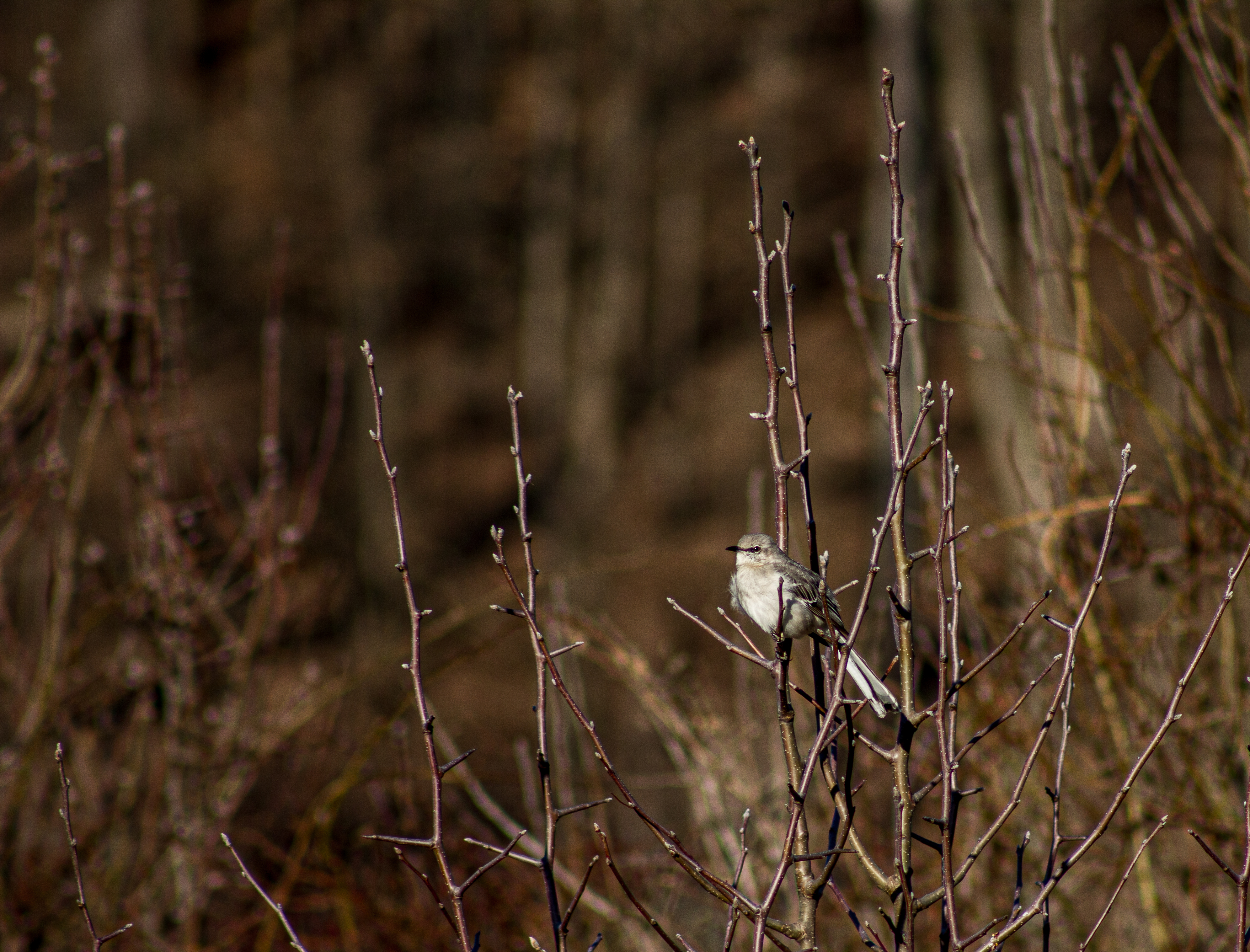

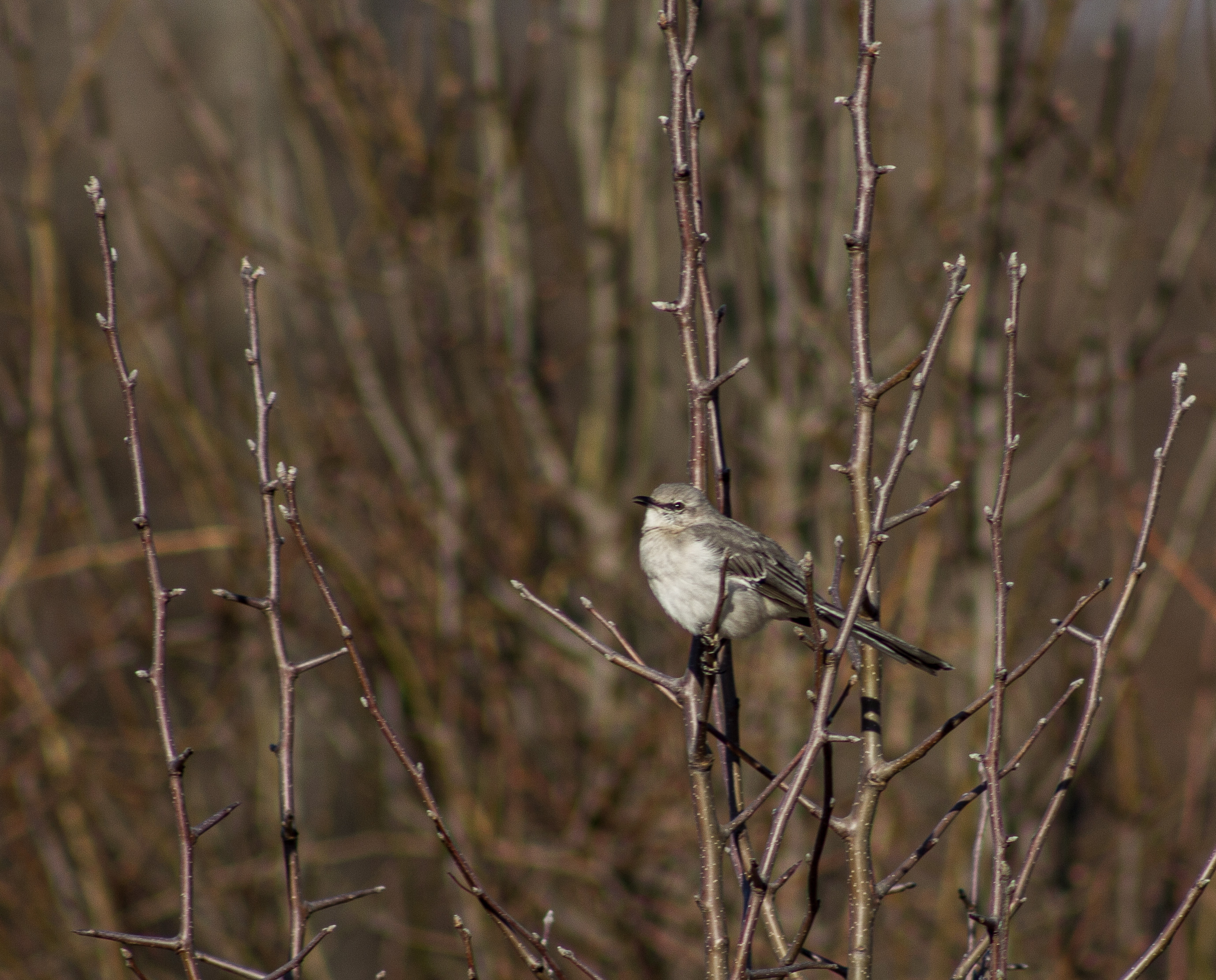
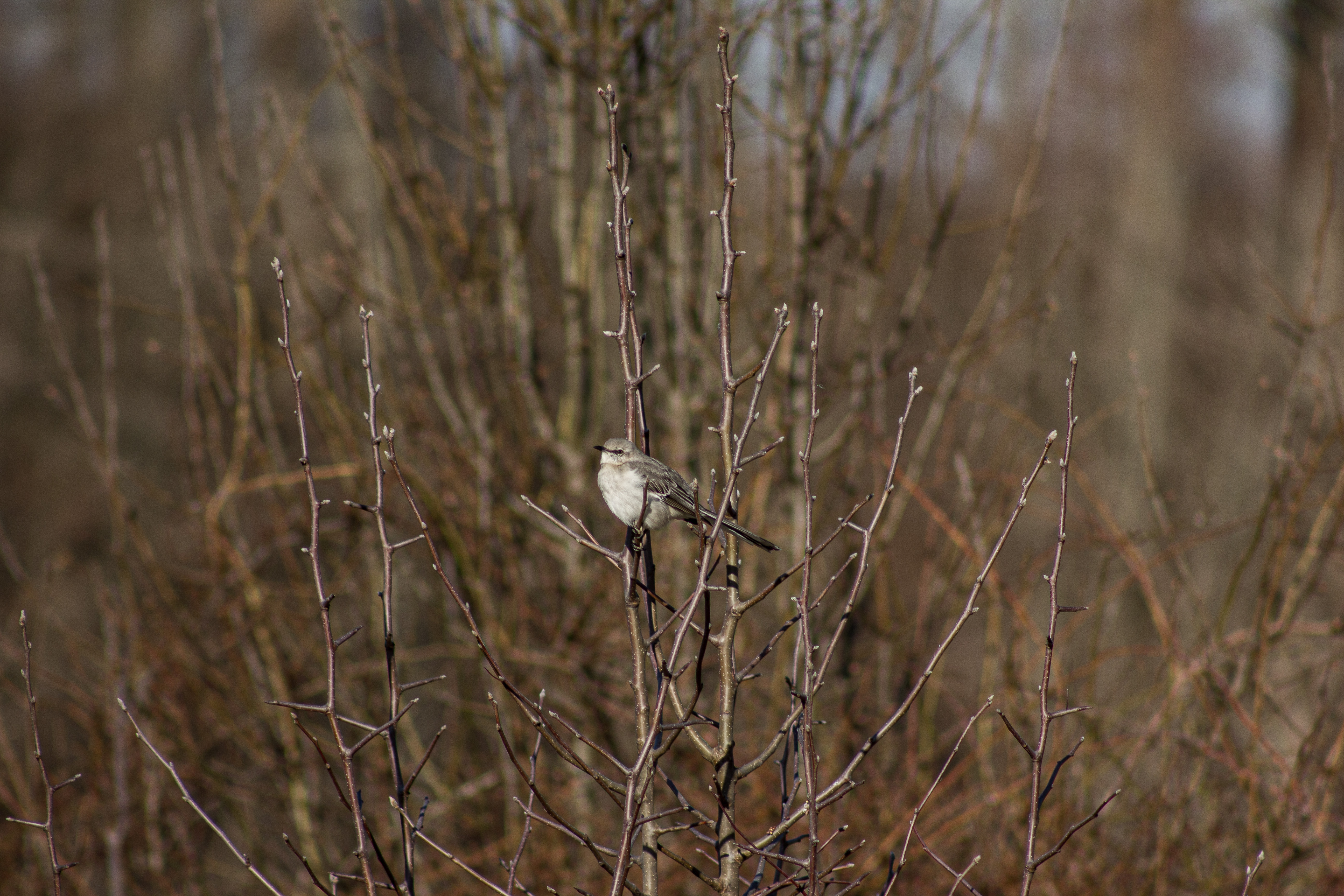
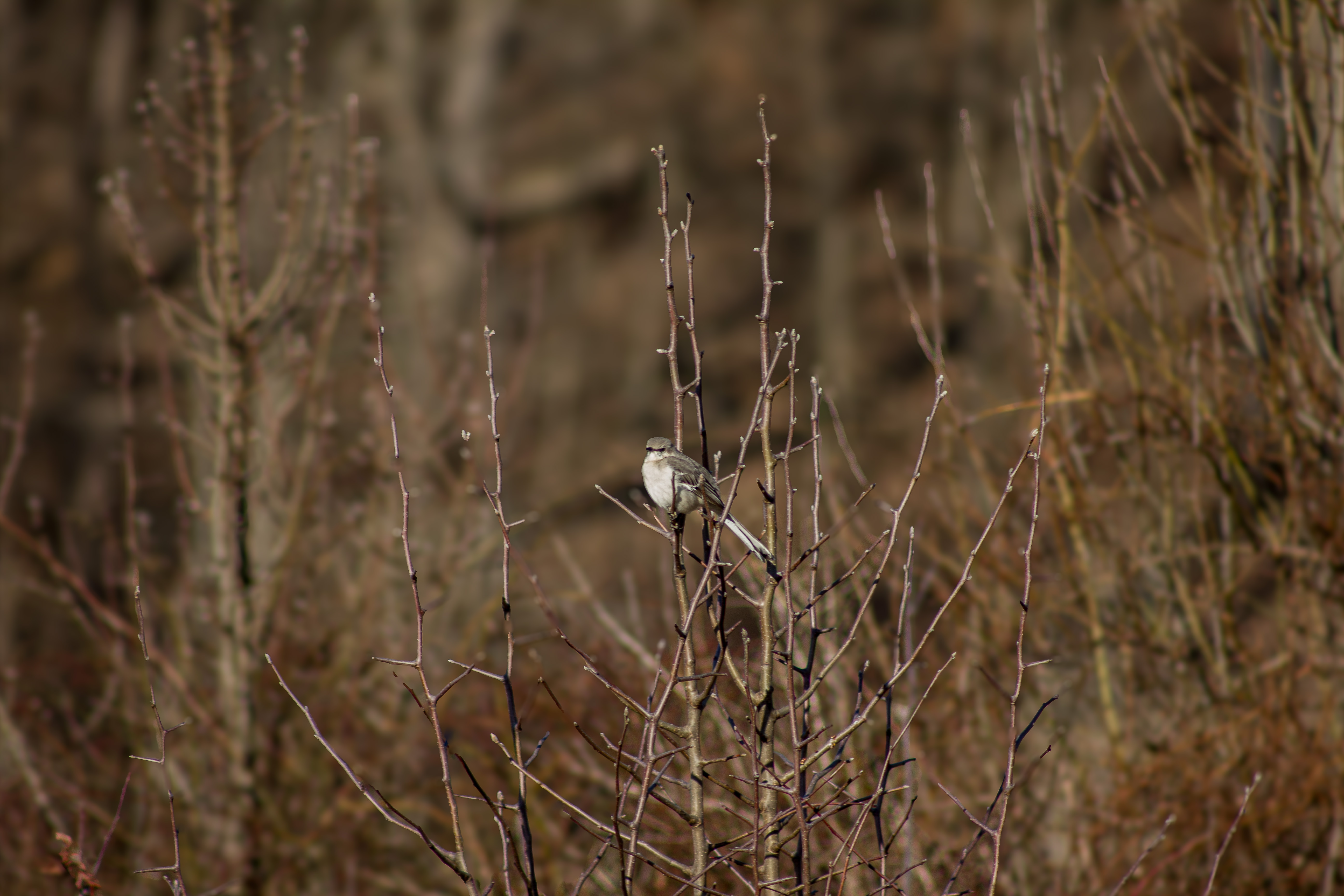
The Northern Mockingbird (Mimus polyglottos) is a medium-sized songbird native to North America, known for its exceptional ability to mimic other birds and sounds. Below is a comprehensive overview of this fascinating species:
Taxonomy and Classification
Scientific Name: Mimus polyglottos.
Family: Mimidae (includes other mockingbirds, thrashers, and catbirds).
Order: Passeriformes
Physical Description
Size: 8.3–10.2 inches (21–26 cm) in length.
Wingspan: 12–15 inches (31–38 cm).
Weight: 1.4–2.0 oz (40–58 g).
Plumage: Grayish above with a pale underside.
Wings: White patches visible in flight.
Tail: Long with white outer feathers.
Beak: Slightly curved and black.
Eyes: Yellowish or pale brown in adults
Distribution and Habitat
Range: Found throughout North America, from southern Canada to Mexico and the Caribbean.
Preferred Habitats: Open areas with sparse trees Suburban and urban environments Parks, gardens, and fields Brushy thickets and forest edges.
Climate Adaptability: Can thrive in warm and temperate climates
Behavior and Adaptations
Territoriality: Extremely territorial, especially during breeding season; will aggressively chase away intruders, including larger birds, pets, and even humans.
Singing & Mimicry: Can mimic hundreds of sounds, including other bird species, mechanical noises, and even human-made sounds Males sing to establish territory and attract mates Repertoire can grow throughout their life Unmated males sing more frequently and at night.
Flight Style: Short bursts of flight with gliding and rapid wingbeats
Diet and Feeding Habits
Omnivorous: Eats a mix of Insects (beetles, ants, grasshoppers, caterpillars, spiders).
Fruits & Berries (mulberries, blackberries, holly, and poison ivy berries).
Seeds Occasionally small lizards or amphibians.
Foraging Behavior: Hunts insects on the ground and picks fruit from bushes or trees
Breeding and Reproduction
Mating System: Monogamous, but may change partners between breeding seasons.
Breeding Season: Spring and summer (March–August).
Nesting: Cup-shaped nest made from twigs, grass, and leaves Built in dense shrubs, trees, or man-made structures (3-10 feet above ground).
Eggs: 3–5 eggs per clutch Bluish-green with brown speckles.
Incubation Period: 12–13 days (female incubates while male defends territory).
Fledgling Period: Chicks leave the nest in 12–15 days but are fed by parents for a few weeks
Predators and Threats
Predators: Hawks, Owls, Snakes, and Domestic cats and dogs.
Defensive Behavior: Loud alarm calls Dive-bombing predators Group mobbing (multiple mockingbirds may attack).
Human-Related Threats: Habitat destruction. Collisions with windows. Pesticide use affecting insect food sources
Lifespan and Conservation Status
Lifespan: Typically 8 years in the wild; up to 20 years in captivity.
Conservation Status: Least Concern (LC) – Population stable or increasing.
Legal Protection: Protected under the Migratory Bird Treaty Act (illegal to harm or capture without a permit)
Cultural Significance
State Bird: Texas, Tennessee, Florida, Arkansas, and Mississippi Symbolism: Represents intelligence, protection, and mimicry.
Literature & Media: Featured in To Kill a Mockingbird by Harper Lee as a symbol of innocence Mentioned in various songs and poems.
Fun Facts
Some mockingbirds can remember and recognize individual humans and react aggressively to those they perceive as threats. They sing at night, especially during a full moon.
A single mockingbird can mimic over 50 different bird species in its lifetime.
 Wild Bird Journal
Leave a comment