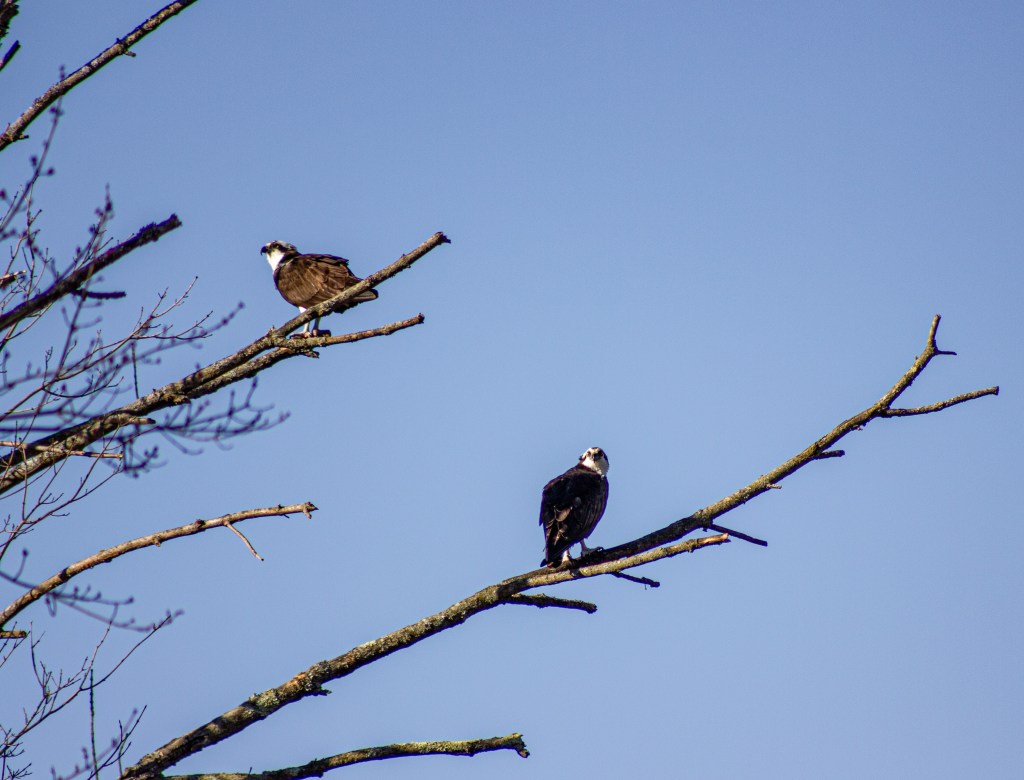
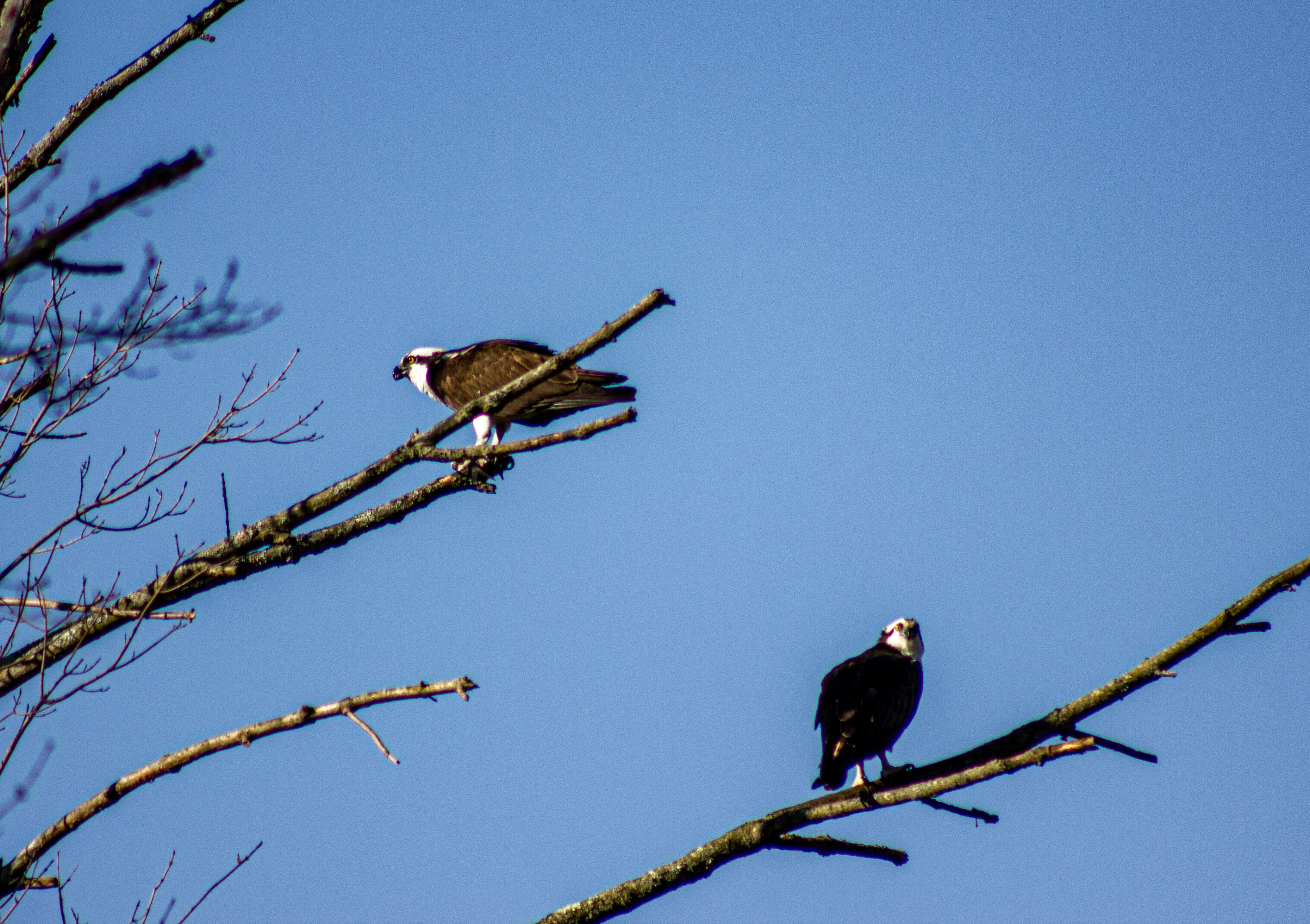

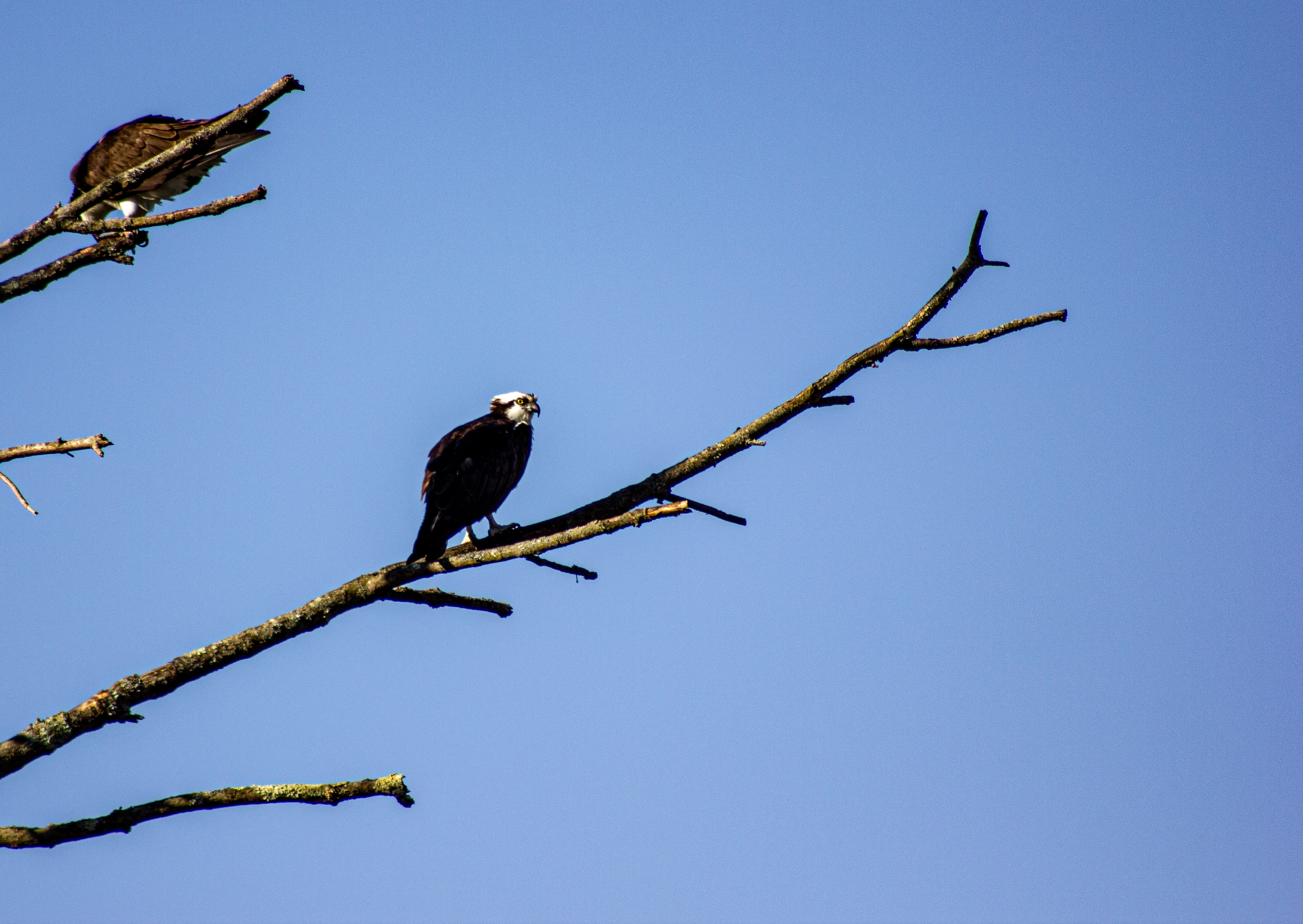
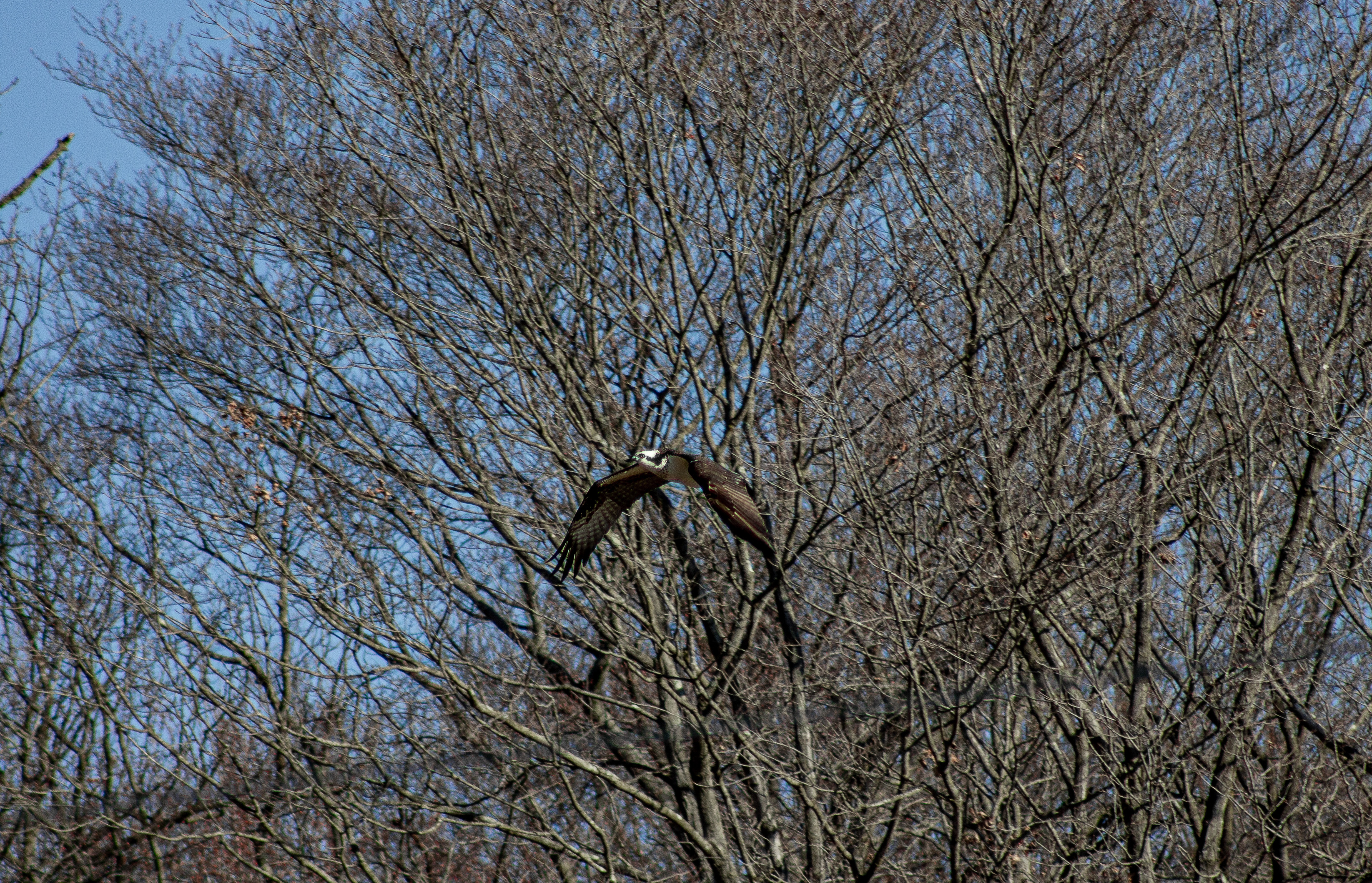
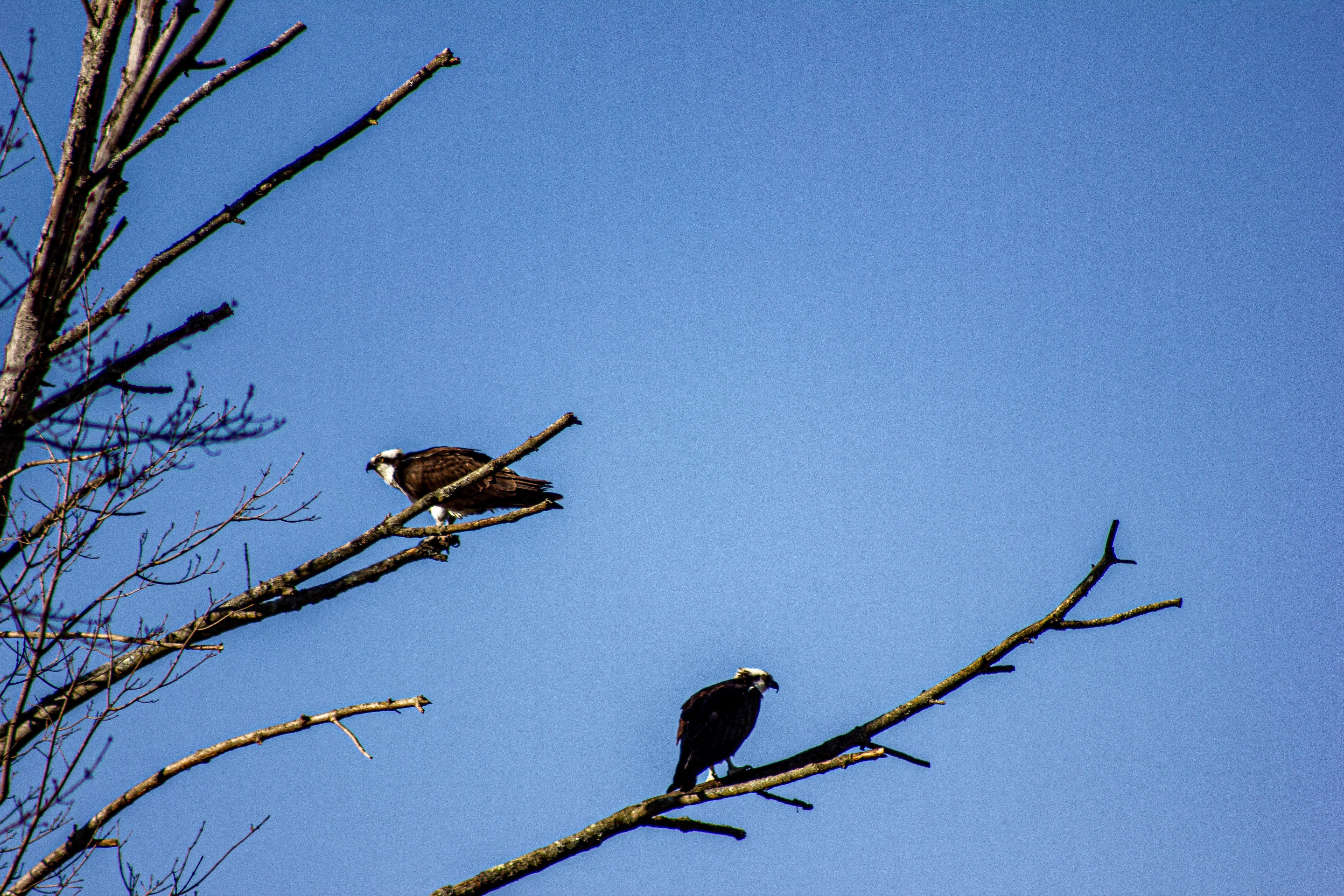
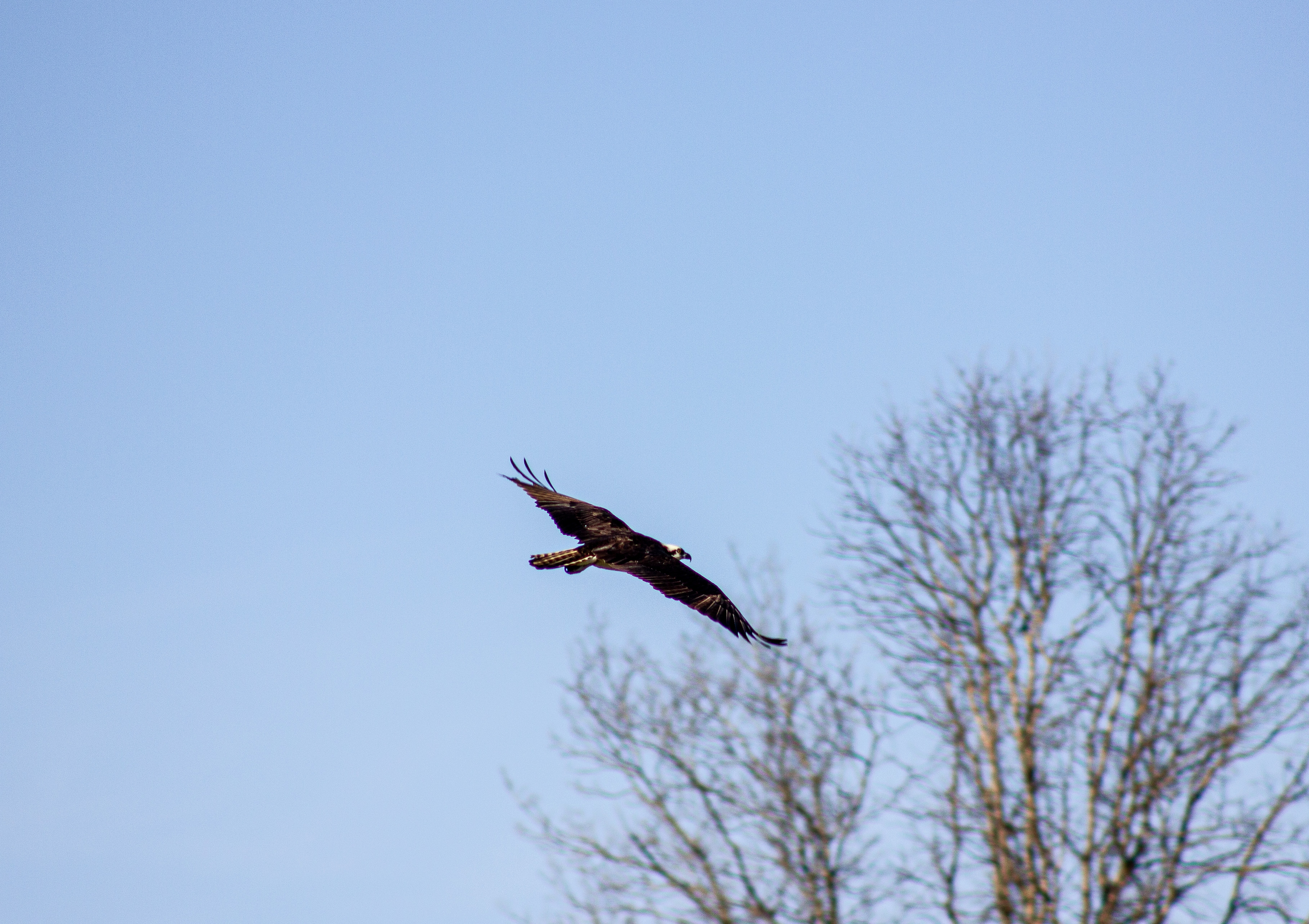
The Osprey (scientific name Pandion haliaetus) is a large bird of prey, also known as the sea hawk or fish eagle, which is found worldwide. Here’s an in-depth look at the Osprey:
Physical Characteristics
Size: Ospreys are medium to large-sized birds. They typically measure about 21 to 23 inches (53 to 61 cm) in height, with a wingspan of 5 feet (1.5 meters). Males are slightly smaller than females.
Weight: They weigh around 2 to 4 pounds (0.9 to 1.8 kg).
Plumage: Ospreys have a striking white underbelly, dark eyes, and a black-and-white pattern on their head, often described as a “mask.” Their backs and wings are dark brown or black, with contrasting white on their underside.
Feet: Their feet are equipped with sharp, spiny talons, ideal for catching and gripping fish. They also have an adaptation called zygodactyl feet (two toes facing forward and two backward) to help grasp prey effectively.
Habitat and Distribution
Ospreys are found in temperate and tropical regions across the globe. They thrive near water bodies such as rivers, lakes, and coastal areas where fish are abundant. They are highly adaptable and can be found on all continents except Antarctica.
They typically build nests in tall trees, cliffs, or man-made structures like pylons and platforms. They are migratory birds, moving to warmer climates in the winter, especially those living in colder northern regions.
Diet and Hunting
Diet: Ospreys are primarily fish-eaters, with over 99% of their diet consisting of fish, particularly medium to large fish such as bass, trout, and salmon.
Hunting Technique: Ospreys are skilled hunters. They often hunt by soaring high in the air and scanning the water for fish. Once they spot prey, they dive at high speed, plunging feet-first into the water to grab the fish with their talons.
The birds are capable of hunting both in freshwater and saltwater environments. Their keen vision allows them to see UV light, which helps them detect fish in the water more effectively.
Breeding and Nesting
Ospreys usually breed in spring and early summer. They return to their breeding sites in pairs that often mate for life.
Nesting: Ospreys build large, sturdy nests made of sticks and other materials like seaweed, located in tall trees or on man-made platforms. These nests can be up to 5 feet (1.5 meters) wide. The female typically lays 2 to 4 eggs, which both parents incubate for about 5 weeks. After hatching, the chicks are cared for by both parents, and they fledge (leave the nest) at about 8 to 10 weeks.
Conservation Status
Historically, osprey populations suffered due to DDT pesticide poisoning, which caused eggs to thin and often break. However, conservation efforts, including banning DDT, have helped populations recover.
The osprey is generally considered a species of least concern globally, though local populations may be threatened by habitat destruction, climate change, and pollution.
They are often considered a bioindicator species, meaning their health reflects the overall health of their environment, particularly in aquatic ecosystems.
Behavior and Migration
Migration: Ospreys are migratory birds. Those in North America generally migrate from Canada and the northern U.S. to Central and South America for the winter.
Ospreys in Europe and Asia also migrate to warmer regions in winter. They are known for their strong territorial instincts. During breeding season, they are highly protective of their nests and territory.
Flight: Ospreys are strong and graceful fliers. They can fly at speeds of up to 30 to 40 mph (48 to 64 km/h). Their flight style is often described as “hovering” when they are scanning for prey.
Unique Adaptations
Talons: Ospreys have specialized spiny, reversible talons that allow them to securely grasp slippery fish.
Nictitating Membrane: They have a transparent third eyelid that protects their eyes while they dive into the water.
Waterproof Feathers: Ospreys’ feathers are coated with a layer of oil that helps make them waterproof, which is vital for their hunting behavior, as they often dive into the water.
Cultural Significance
Ospreys have been revered in various cultures, symbolizing strength, resilience, and freedom due to their aerial prowess and hunting skills.
They are also popular in birdwatching and are often featured in wildlife documentaries.
Interesting Facts
The Osprey’s diet and hunting techniques have been studied extensively, making them an iconic species for understanding bird of prey behavior. Their mating call is a distinct, high-pitched whistle that can be heard during the breeding season.
 Wild Bird Journal
Leave a comment