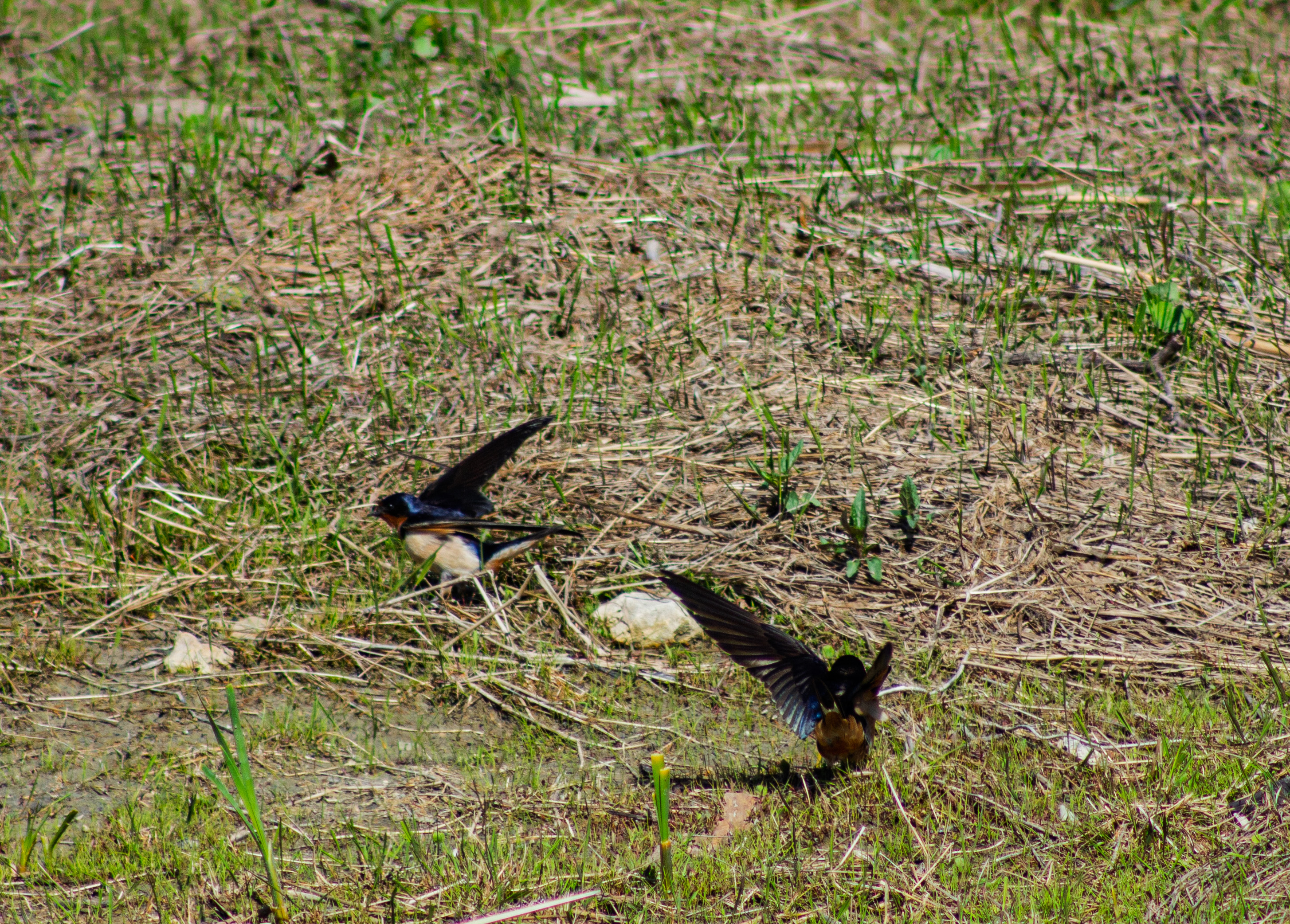
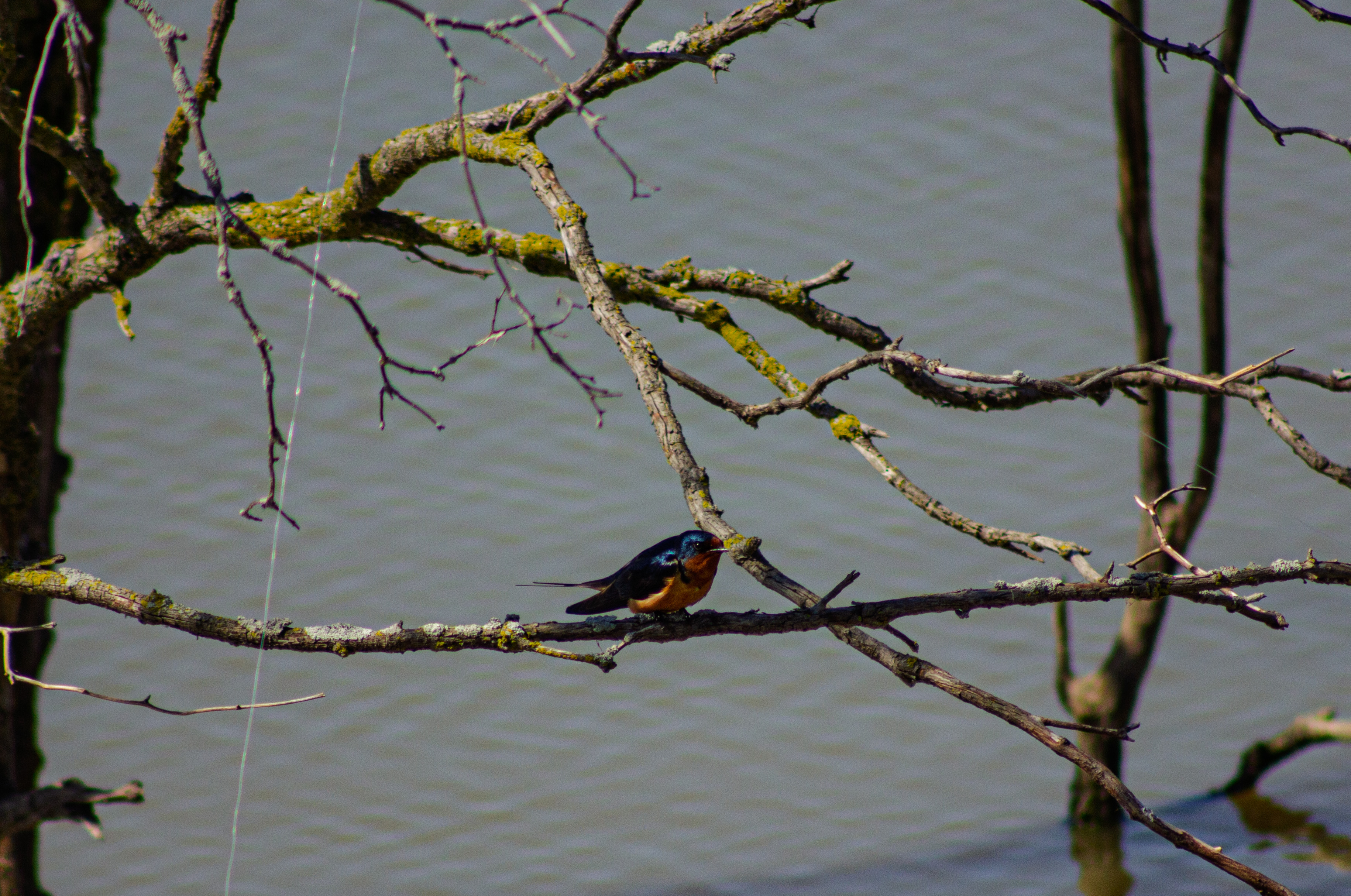
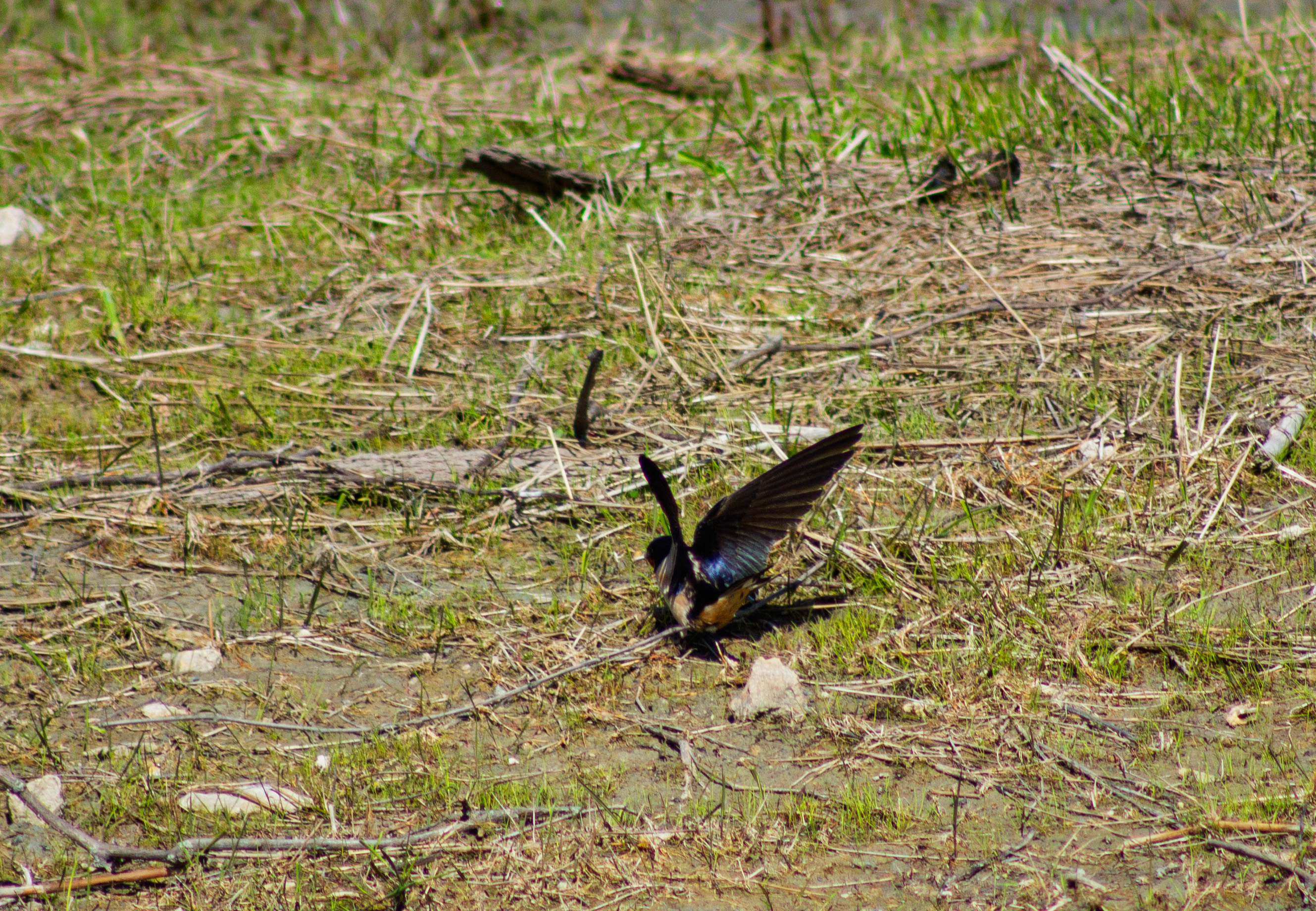
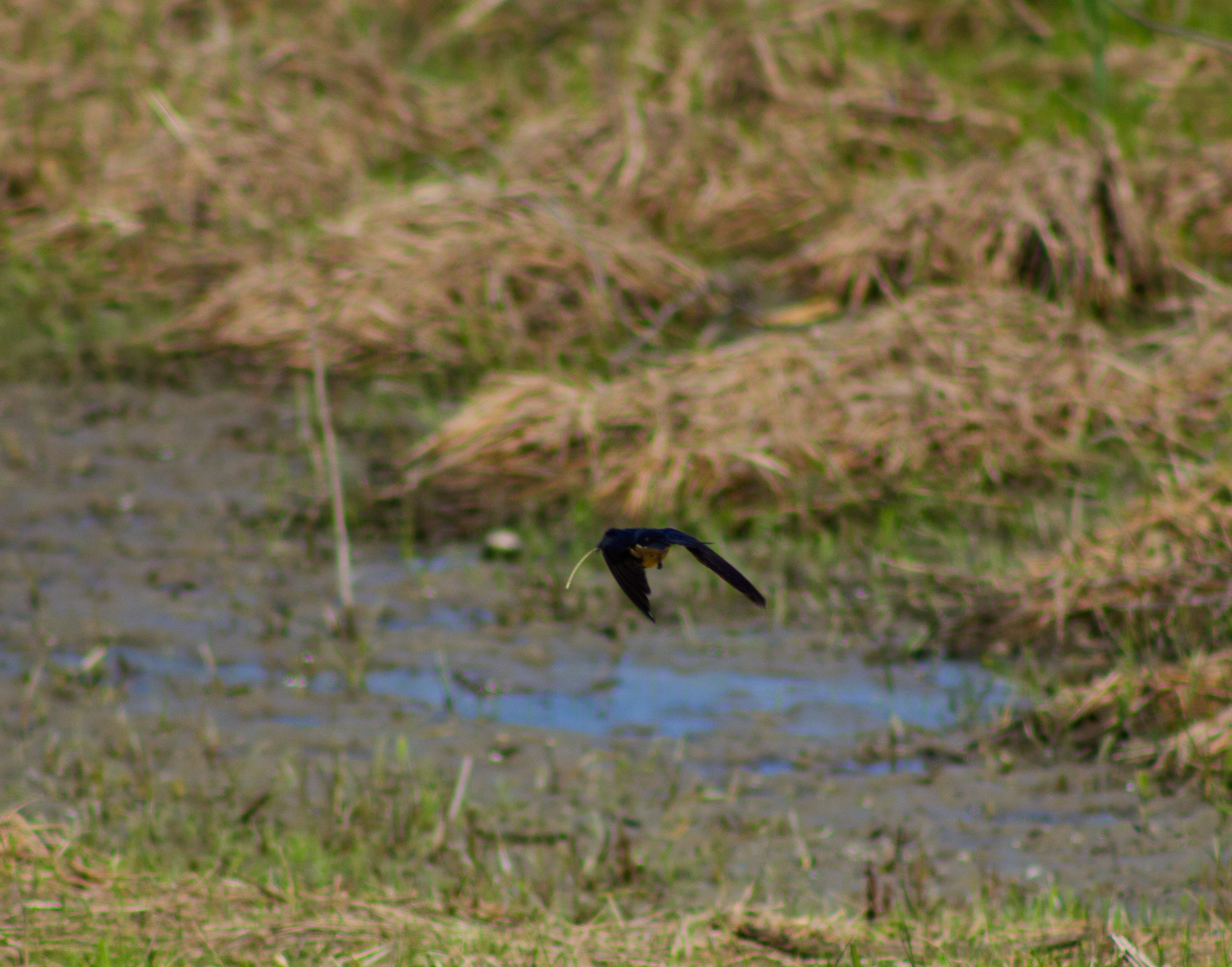
The Barn Swallow (Hirundo rustica) is one of the most widespread and easily recognized swallow species in the world. Here’s a comprehensive overview:
Taxonomy and Classification
Scientific Name: Hirundo rustica.
Order: Passeriformes.
Family: Hirundinidae (swallows and martins).
Common Names: Barn Swallow, European Swallow. There are six recognized subspecies, varying slightly in size, coloration, and range.
Physical Description
Size: About 15–20 cm (6–8 in) in length, with a long deeply forked tail.
Wingspan: 29–32 cm (11–13 in).
Weight: 16–22 grams (0.6–0.8 oz).
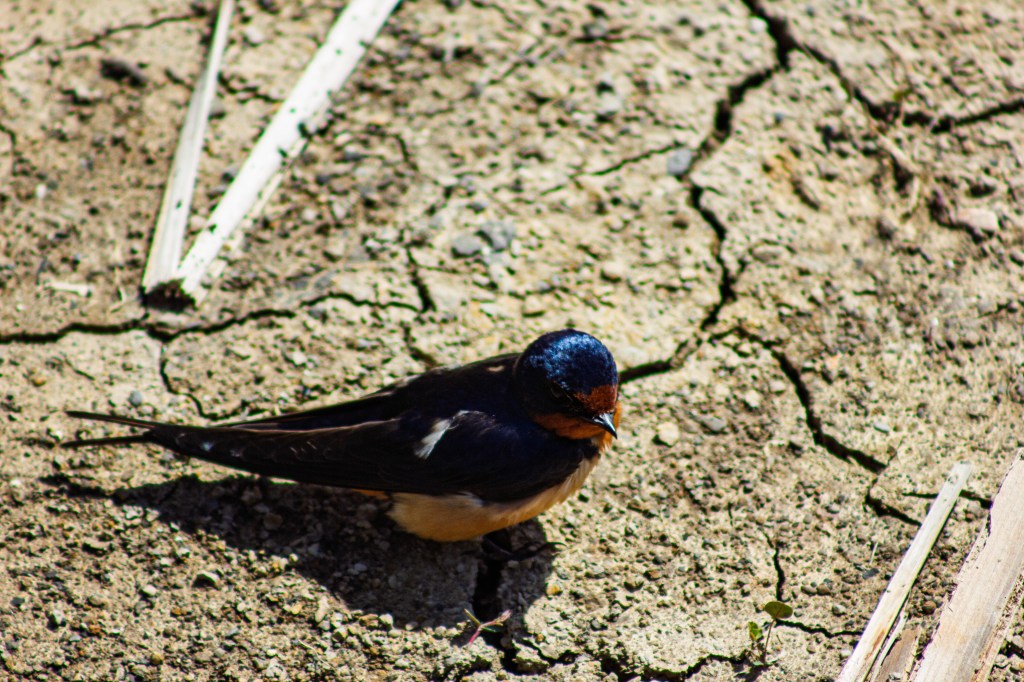
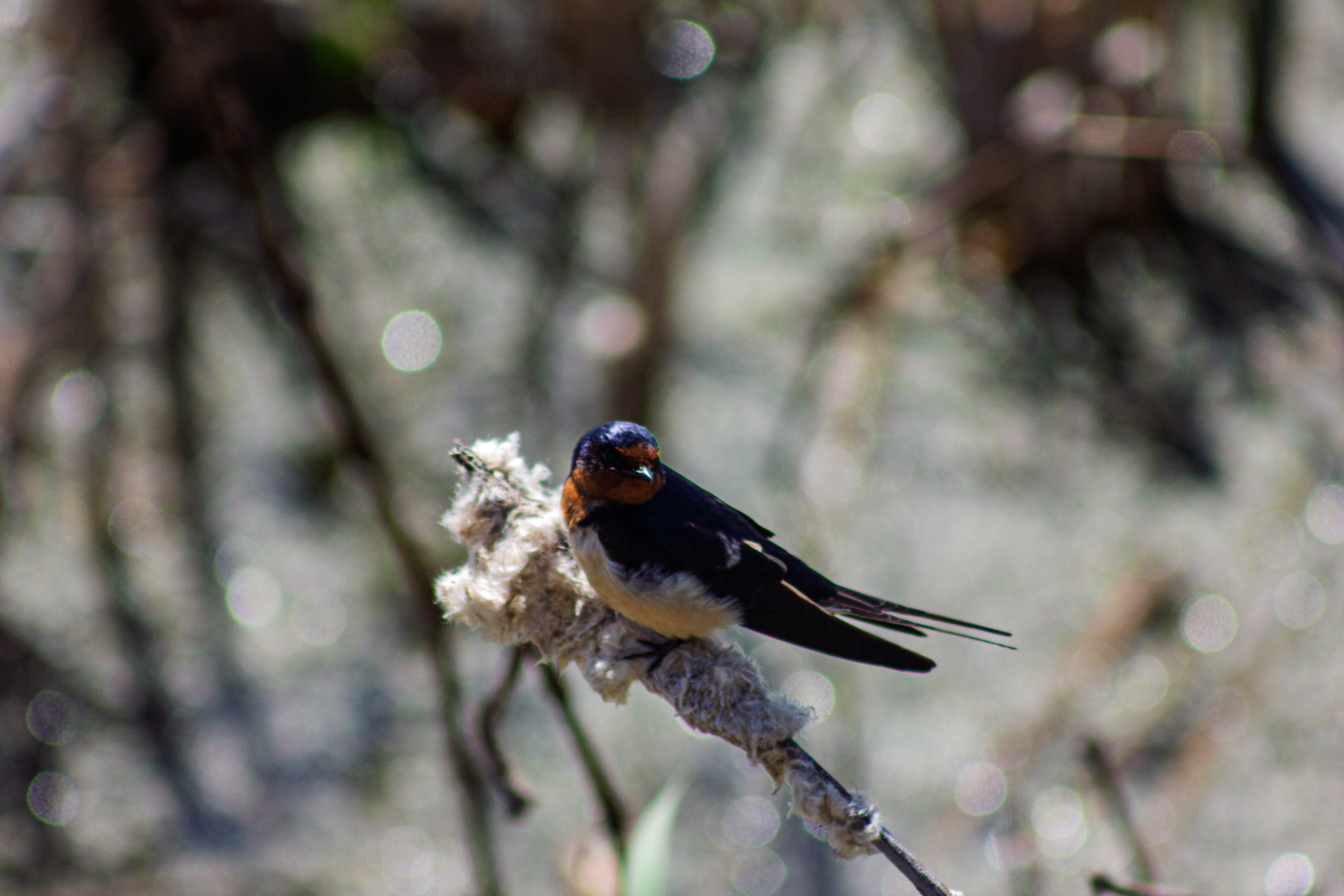
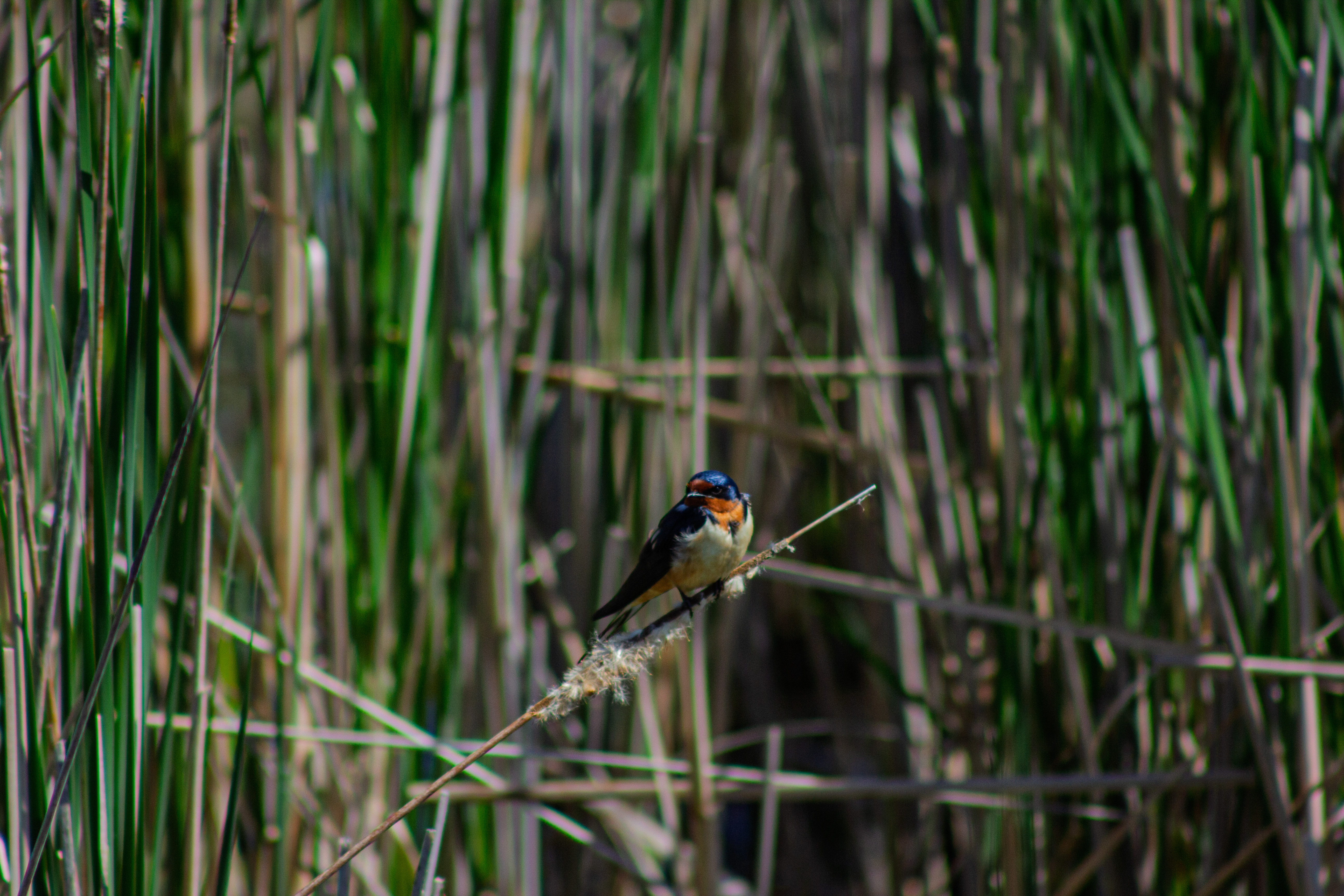
Plumage: Glossy blue-black upperparts. Cream to reddish underparts (depending on subspecies). Reddish forehead and throat. Long outer tail feathers forming a deep fork, often called “streamers”. Sexes are similar, though males typically have longer tail streamers and slightly brighter colors.
Distribution and Habitat
Global Range: Found across Europe, Asia, North Africa, and North America; winters in South America, Sub-Saharan Africa, and South/Southeast Asia. Habitat: Open or semi-open areas: fields, farmlands, grasslands.
Near water bodies and human settlements. Frequently nests in man-made structures like barns, bridges, and eaves of houses
Behavior
Migration
Highly migratory species.
Northern populations migrate thousands of kilometers to wintering grounds.
Migration routes are well-studied and often span continents.
Feeding
Diet: Insectivorous, feeding almost exclusively on flying insects.
Foraging Style: Aerial hunter; catches insects mid-flight with agile, acrobatic flight patterns.
Social Behavior
Generally social, roosting and sometimes foraging in large flocks.
Territorial during breeding season.
Reproduction
Breeding Season: Spring to summer, depending on location.
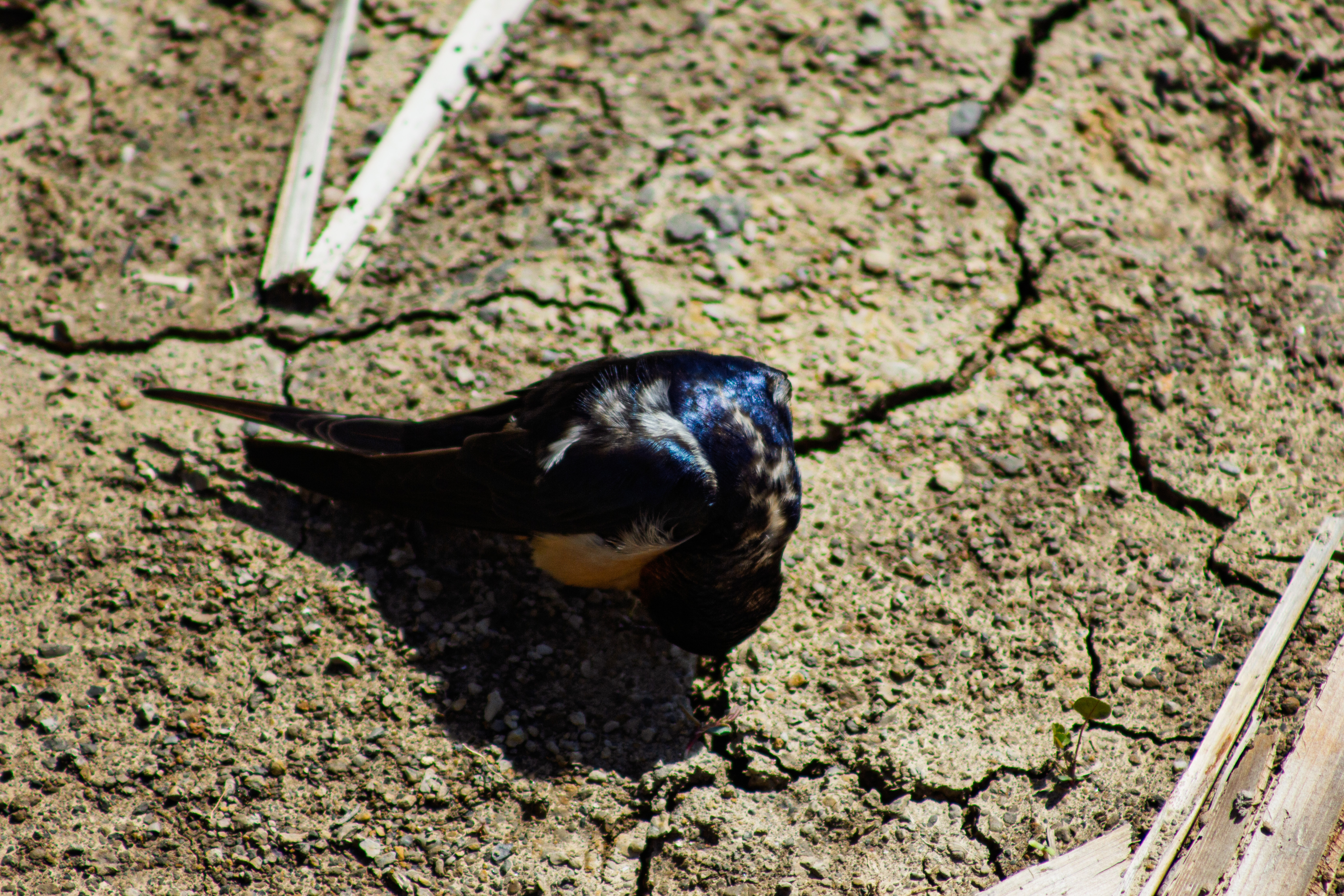
Nesting: Mud-based cup-shaped nests. Usually built on ledges in sheltered locations, often on buildings or cliffs.
Clutch Size: 3–7 eggs (usually 4–5).
Incubation: ~14–16 days.
Fledging: ~18–23 days post-hatching. May have 1–2 broods per season
Vocalization
Call: A cheerful twittering or warbling song used for communication and mating.
Alarm Calls: Sharp “chip” notes.
Conservation Status
IUCN Red List: Least Concern. Population Trends: Generally stable, but local declines due to: Habitat loss (especially suitable nesting and foraging sites). Pesticide use reducing insect prey. Climate change affecting migratory timing and food availability
Cultural Significance
Symbol of Spring: In many cultures, swallows are seen as a sign of spring and good luck.
Folklore: In Europe, a swallow nesting on a house is thought to bring good fortune.
Literature: Referenced by Shakespeare and other poets as symbols of love, journey, and homecoming.
Subspecies
| Subspecies | Range | Notes |
|---|---|---|
| H. r. rustica | Europe to central Asia | Nominate subspecies |
| H. r. erythrogaster | North America | More reddish underparts |
| H. r. transitiva | Middle East | Smaller, darker |
| H. r. gutturalis | Eastern Asia | Paler belly, shorter tail streamers |
Interesting Facts
Swallows can consume thousands of insects per day. The Barn Swallow’s forked tail is a classic example of sexual selection — females often prefer males with longer tails. They are among the fastest and most agile flyers in the bird world. Swallows use magnetoreception and celestial cues to navigate during migration.
 Wild Bird Journal
Leave a comment