
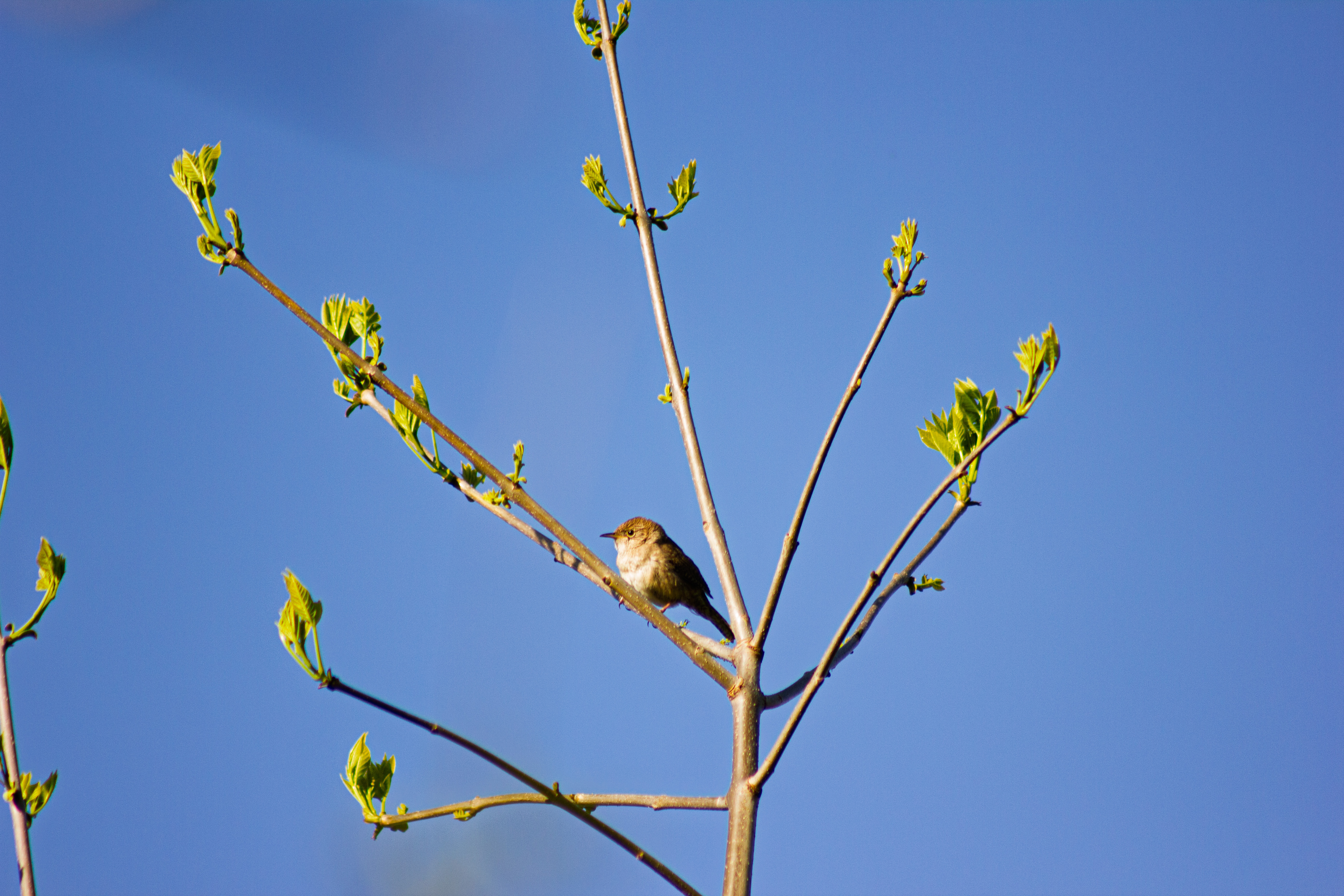
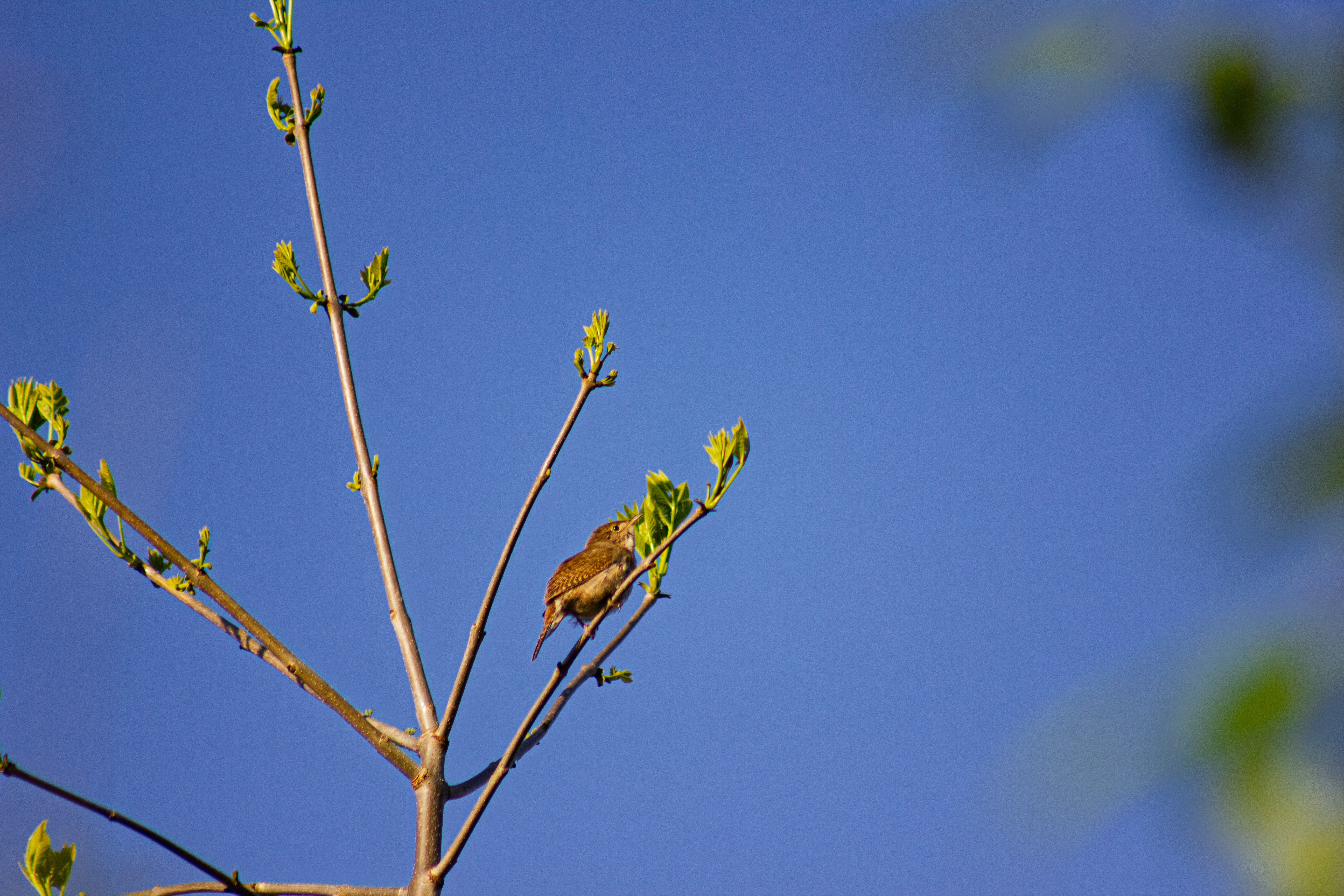
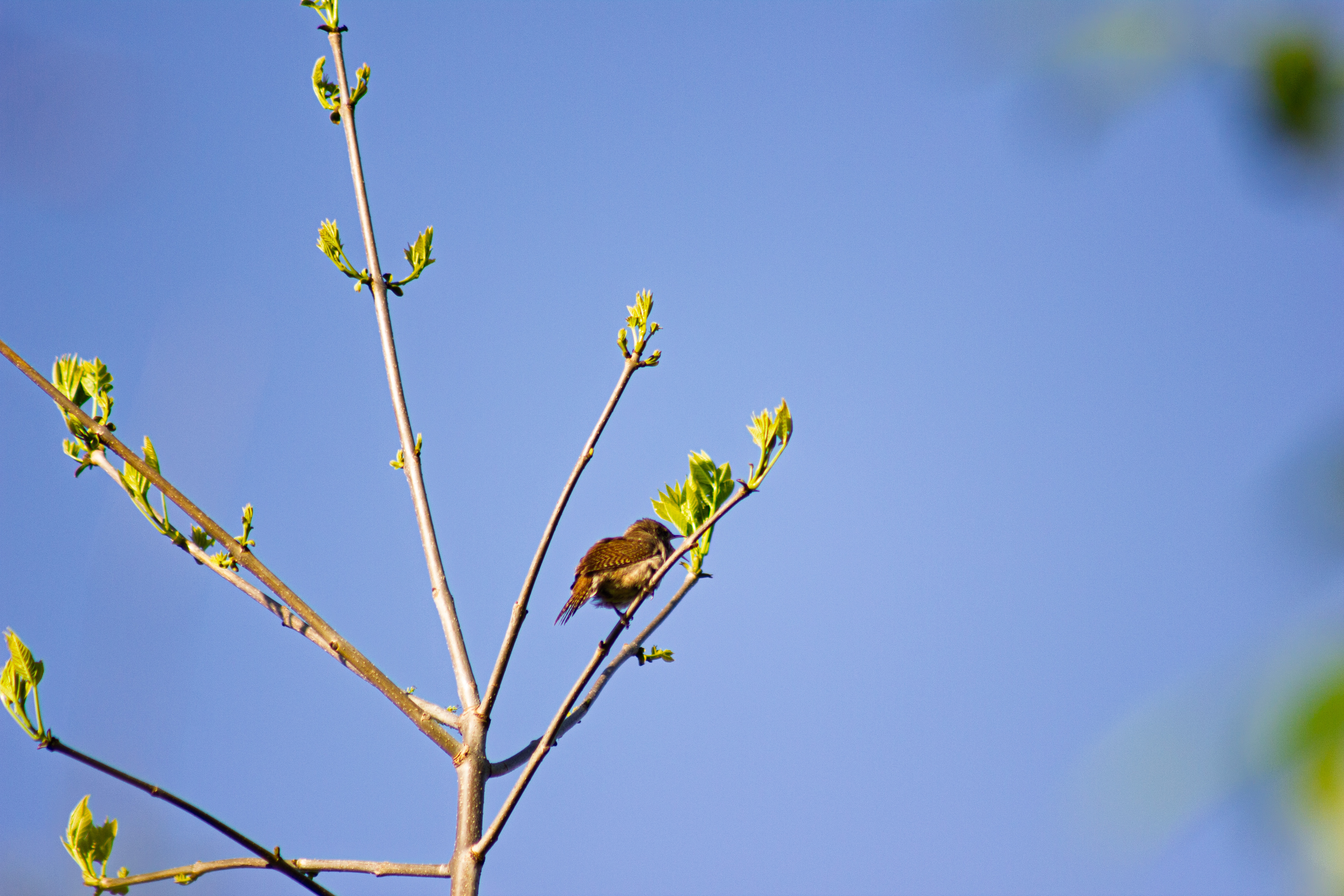

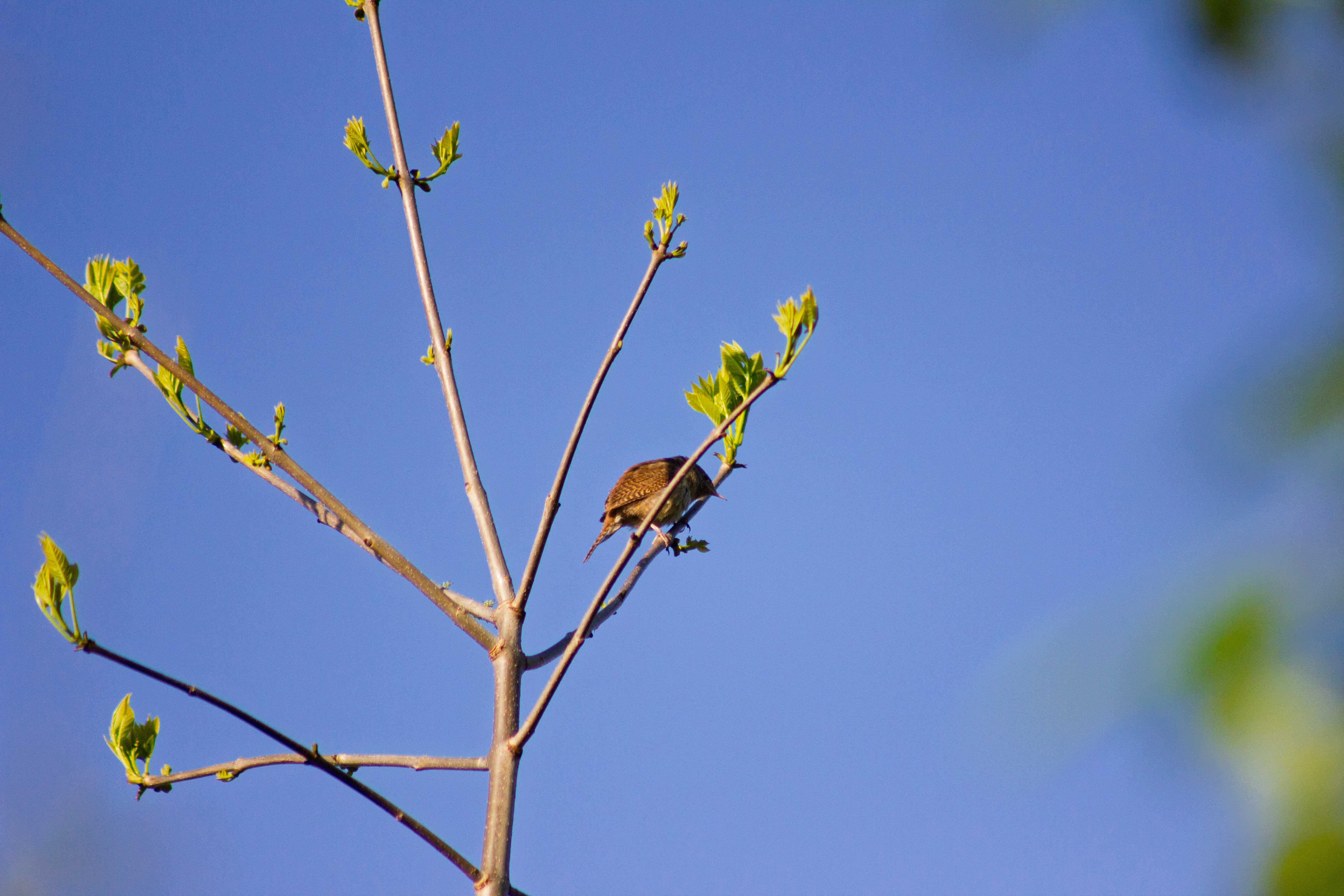
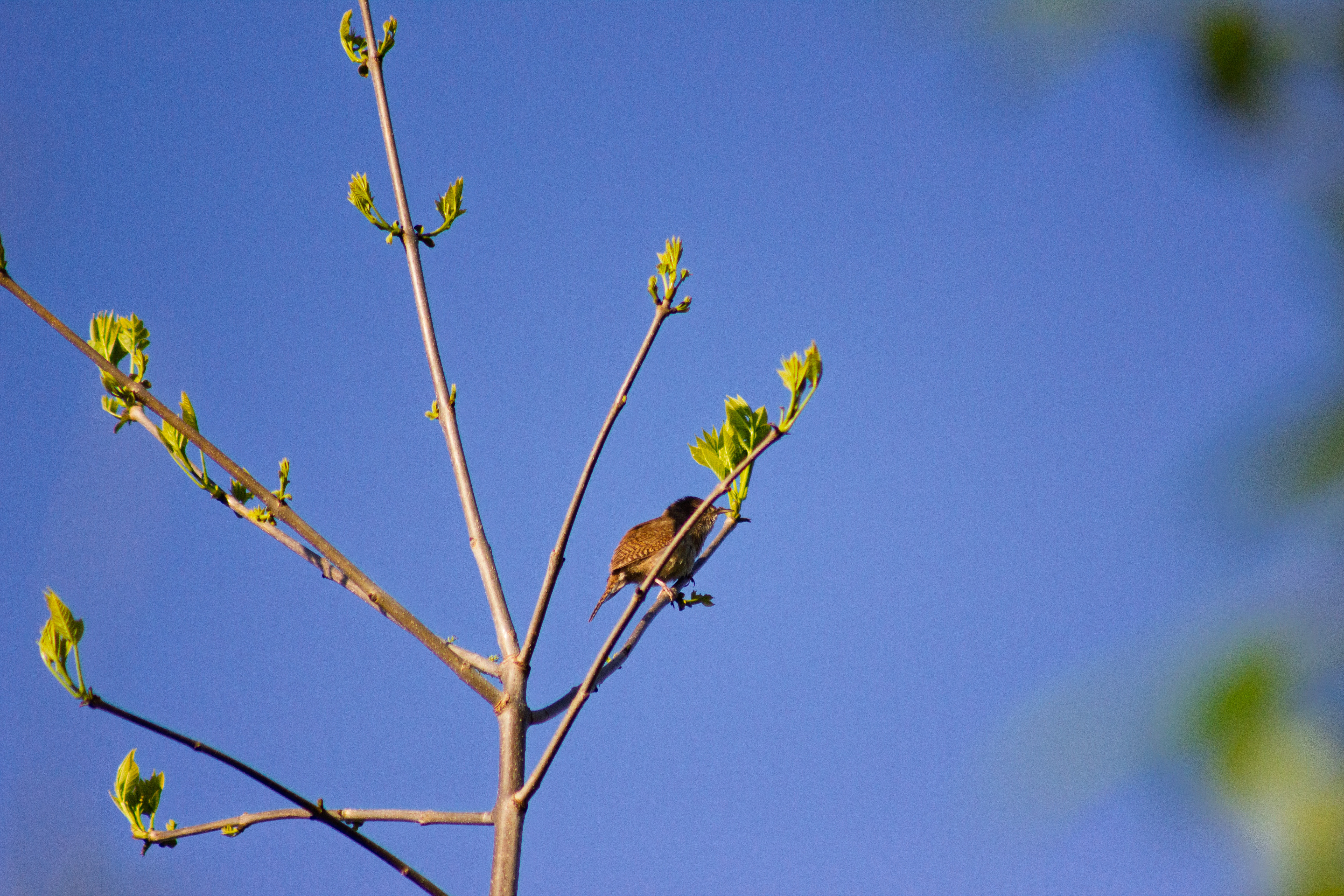
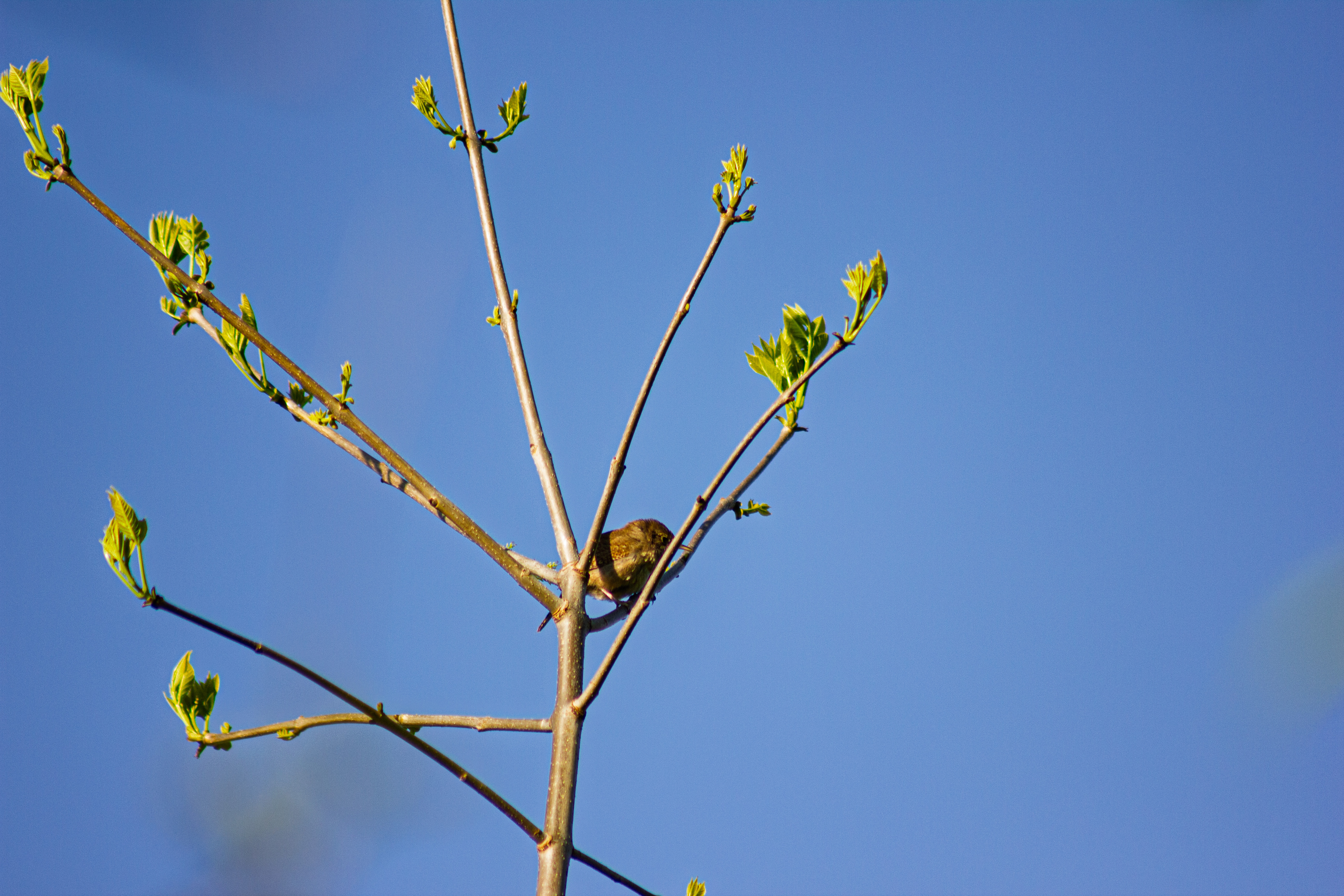
The Northern House Wren (Troglodytes aedon aedon) is a small, energetic songbird native to North and Central America. It’s a subspecies of the House Wren (Troglodytes aedon), which is one of the most widely distributed songbirds in the Americas. Here’s a detailed overview of everything known about the Northern House Wren, covering taxonomy, identification, behavior, habitat, breeding, migration, vocalizations, and more.
PHYSICAL DESCRIPTION
Length: 11–13 cm (4.3–5.1 in)
Wingspan: 15–17 cm (5.9–6.7 in)
Weight: 10–12 g (0.35–0.42 oz)
Plumage:
Overall brownish body with subtle barring on wings and tail. Pale grayish throat and chest. Darker barring on flanks and under tail coverts. Short tail often held upright. Thin, slightly curved bill (insectivorous). Both sexes look similar.
BEHAVIOR
Foraging:
Feeds mainly on insects and spiders. Often forages low in shrubs, leaf litter, or tree bark. Very active, hopping, flitting, and probing crevices for food.
Social Behavior:
Generally solitary or in pairs during breeding season. Territorial and aggressive, especially males during nesting.
HABITAT
Breeding Habitat:
Prefers open woodlands, forest edges, suburban gardens, farmlands, and parks. Especially associated with human structures like birdhouses and nest boxes.
Nesting:
Cavity-nesting species. Uses natural cavities, woodpecker holes, and artificial nest boxes. Builds messy domed nests of twigs, lined with feathers, grass, hair, etc.
BREEDING BIOLOGY
Breeding Season: Late April through August in northern parts of range.
Clutch Size: 4–8 eggs (commonly 5–6).
Egg Description: White or pinkish with reddish-brown speckles.
Incubation: 12–16 days, done mostly by the female.
Fledging: 15–20 days after hatching.
Male Behavior:
Males build multiple “dummy nests” to attract females. After pairing, the female chooses one nest and finishes lining it.
RANGE & MIGRATION
Breeding Range: Across most of the continental United States and southern Canada. Wintering Range: Southern U.S., Mexico, and Central America (as far south as Panama).
Migration:
Migratory in the northern part of its range. Leaves northern areas in late summer or early fall. Returns to breed in spring (April–May).
VOCALIZATIONS
Song: A loud, bubbling, complex series of trills and rattles. Call: Harsh scolding churr or ticking sounds.
Function:
Males sing to defend territory and attract mates. Song output is high during nesting season.
AGGRESSION & COMPETITION
Known for aggressive behavior toward other cavity-nesting birds. Will peck eggs, remove nestlings, and destroy other species’ nests. Competes with chickadees, bluebirds, swallows, and nuthatches.
CONSERVATION STATUS
IUCN Red List: Least Concern Population Trend: Stable to slightly increasing. Widespread adaptability to human environments helps its resilience. Benefits from nest box programs but can outcompete less aggressive cavity-nesters.
CLIMATE SENSITIVITY
Vulnerable to extreme cold spells during winter migration. Climate change may shift its breeding range further north. Tends to thrive in warmer and suburbanized environments.
RELATIONSHIP TO HUMANS
Readily accepts artificial nest boxes, making it a favorite among birders. Sometimes considered a nuisance for evicting native species like Eastern Bluebirds. Common subject of behavioral and ecological research due to adaptability.
INTERESTING FACTS
One of the most extensively studied songbirds in North America. Dummy nest building by males is thought to confuse predators and deter competitors. Capable of raising two broods per season, especially in southern parts of its range. The species name aedon refers to the mythological Greek figure Aëdon, transformed into a nightingale.
 Wild Bird Journal
Leave a comment