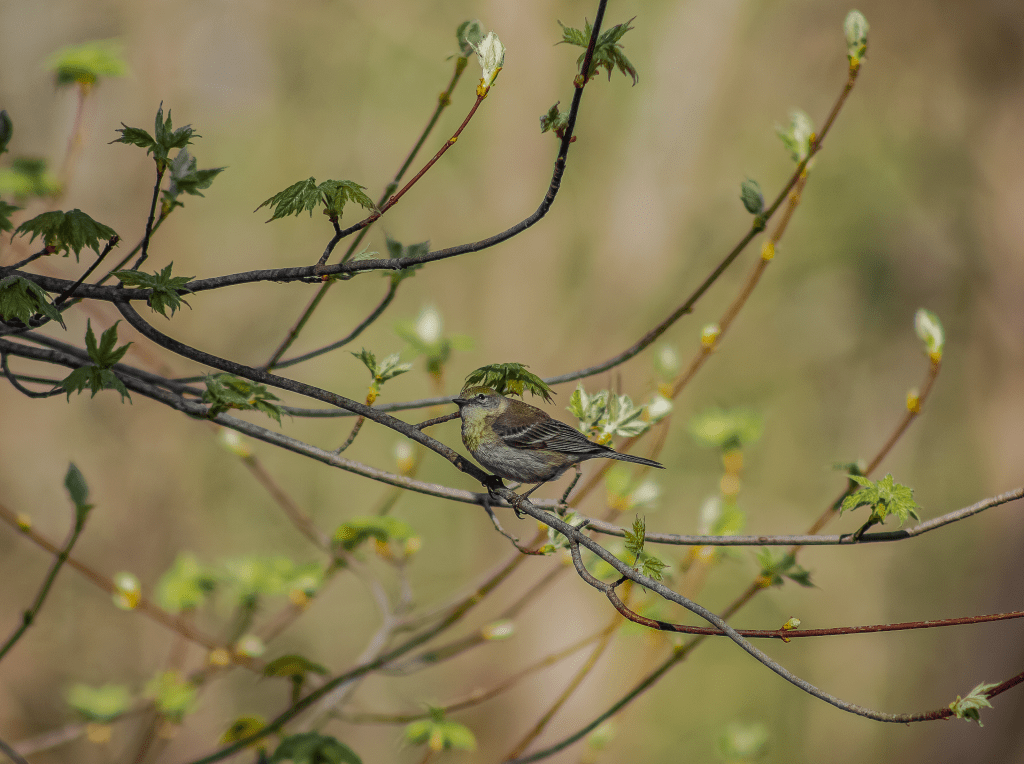
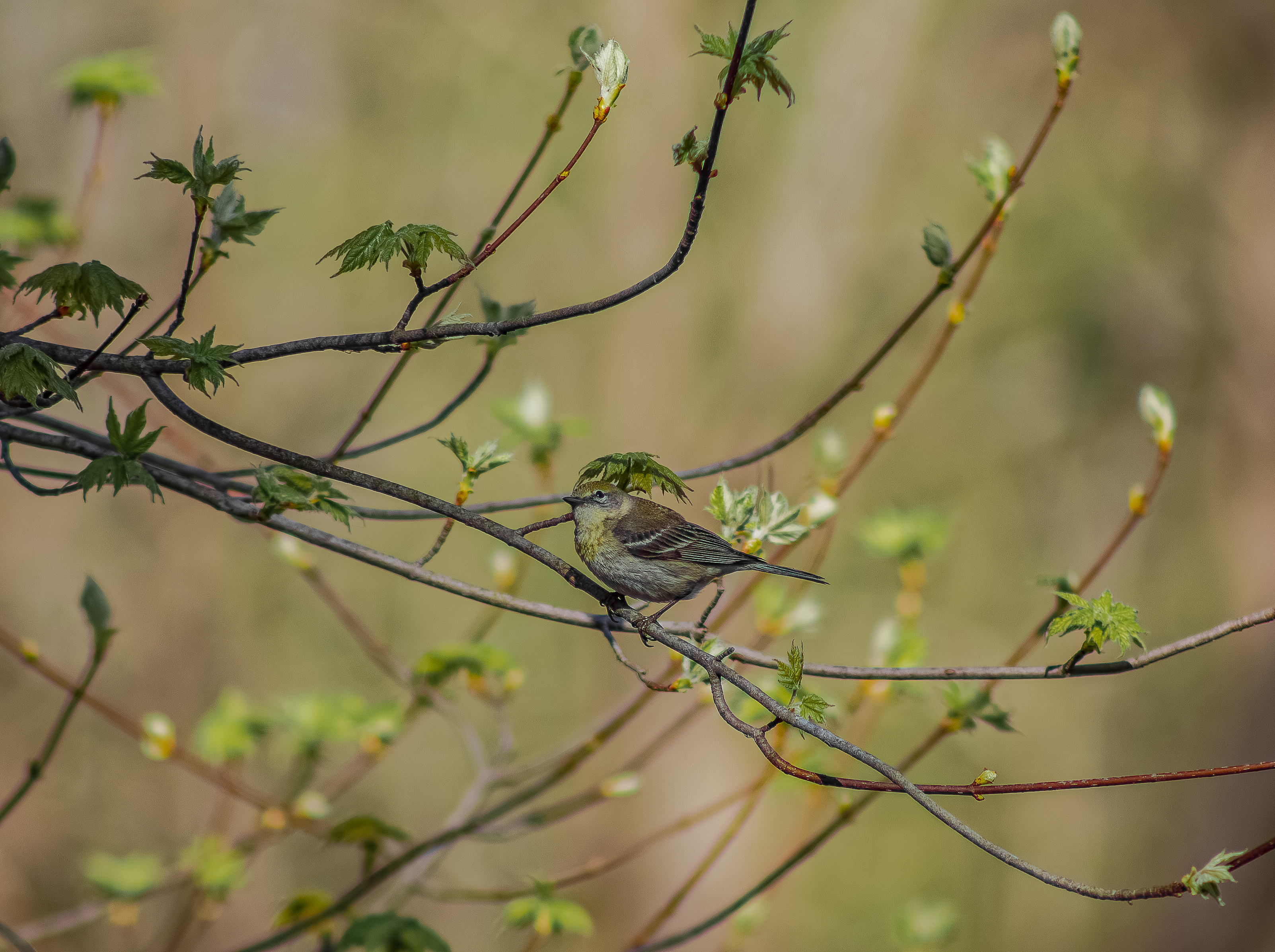
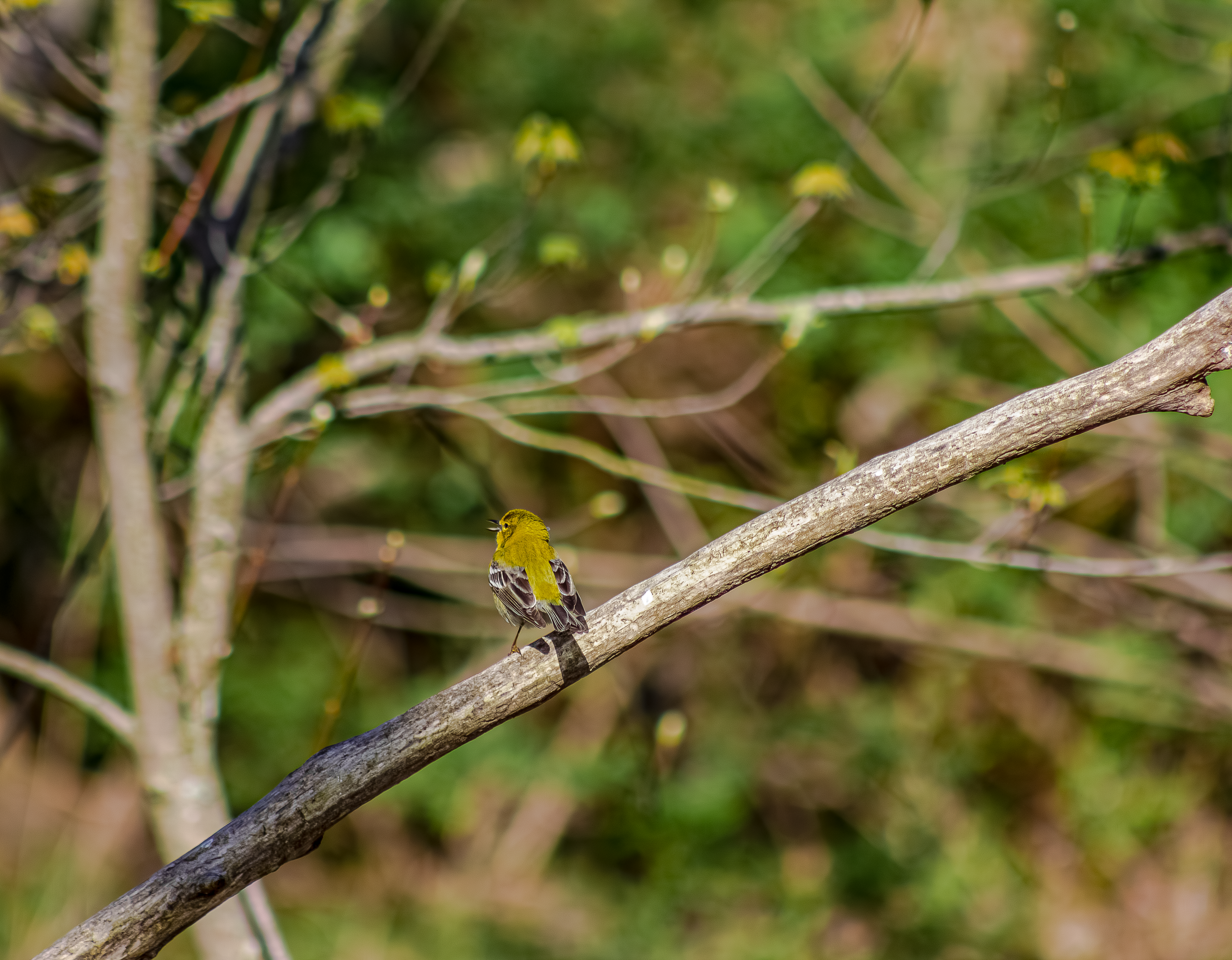
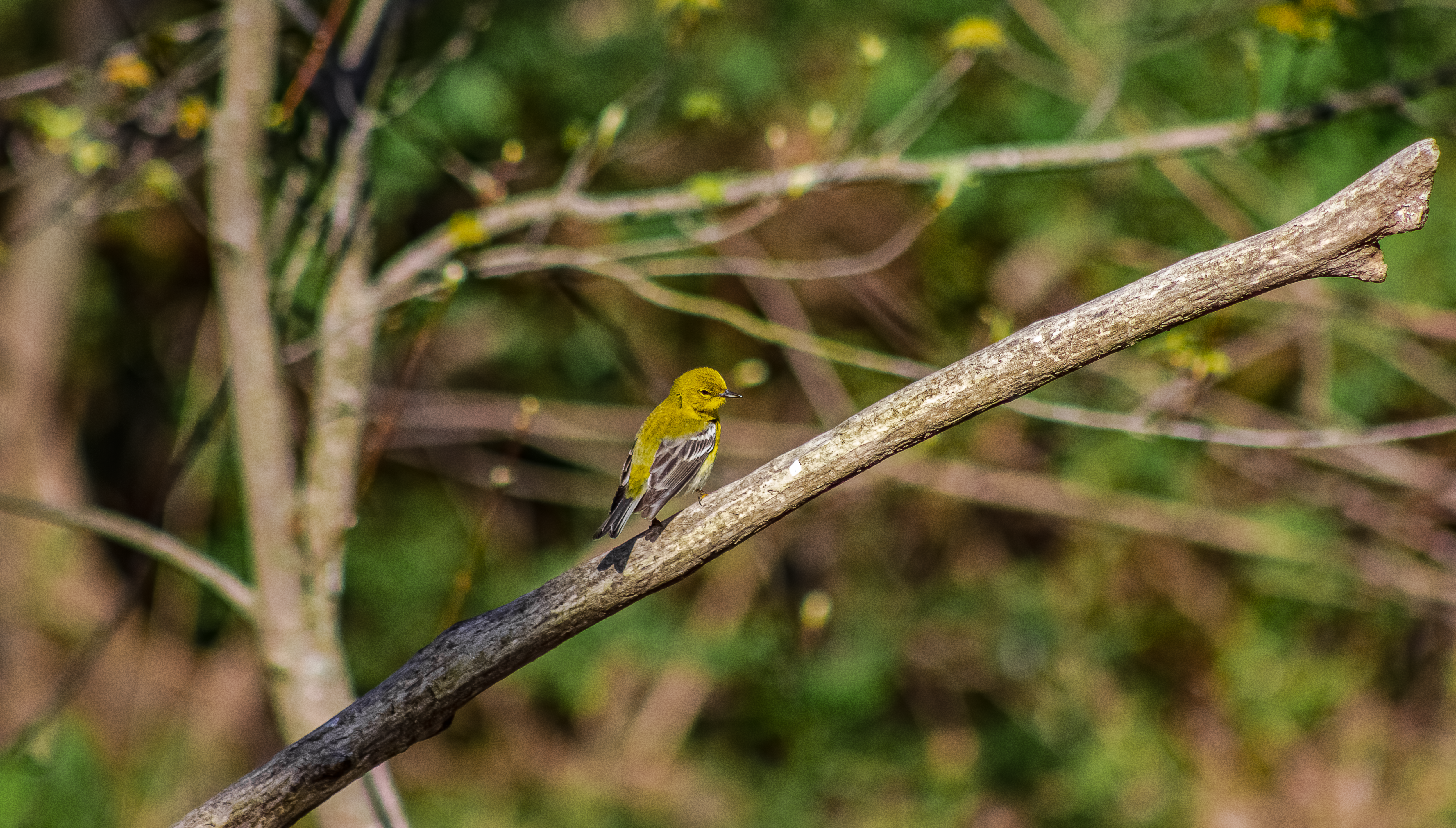

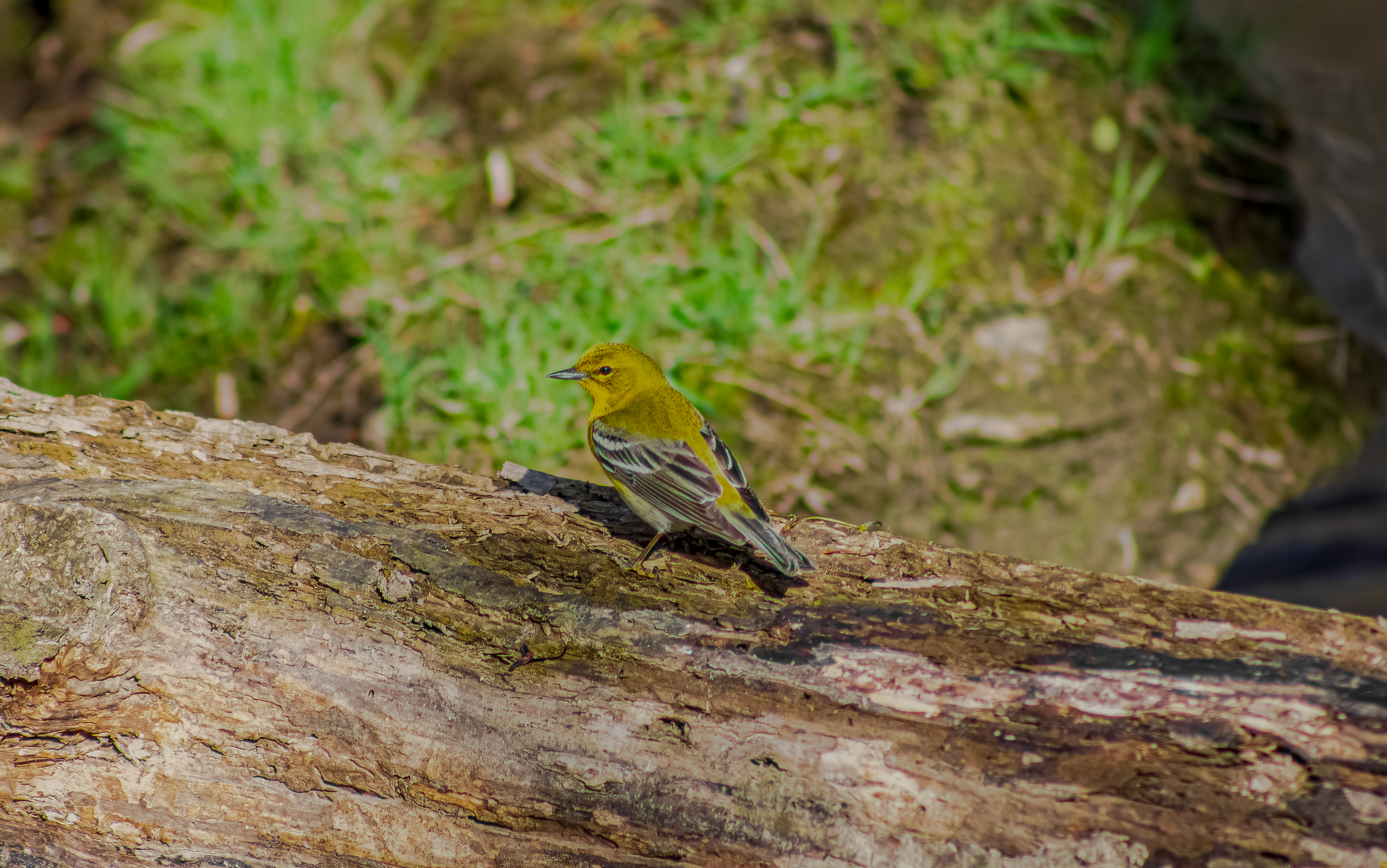
The Pine Warbler (Setophaga pinus) is a small, melodic songbird found across much of eastern North America. Known for its sweet trills and preference for pine forests, the Pine Warbler is a favorite among birders, especially during migration season. If you’re looking to identify, attract, or learn more about this species, this complete guide will give you everything you need.
Quick Facts About the Pine Warbler
Scientific Name: Setophaga pinus.
Family: New World Warblers (Parulidae).
Size: 5–5.5 inches (13–14 cm). Wingspan: 8–9 inches (20–23 cm).
Weight: 0.3–0.5 oz (8–14 g).
Lifespan: Up to 6 years in the wild.
Range: Eastern United States and parts of Canada.
Habitat: Pine forests, mixed woodlands, open pine savannas
How to Identify a Pine Warbler
The Pine Warbler bird is one of the easier warblers to identify due to its relatively plain yet charming plumage and distinct song.
Male Pine Warbler
Olive-green back with faint streaks. Yellow throat, chest, and upper belly. White wing bars. Slim, pointed bill. Song: a clear, fast trill that can resemble a Chipping Sparrow
Female and Juvenile Pine Warbler
Paler yellow or even grayish overall. Less vibrant than males, sometimes appearing dull olive or brown. Still shows white wing bars
Because Pine Warblers are often high in the pine canopy, listening for their trill is one of the best ways to locate them.
Pine Warbler Range and Habitat
As their name suggests, Pine Warblers are strongly tied to pine trees.
Breeding Range: Eastern U.S. and southern Canada, with high concentrations in the Southeast and Northeast. Winter Range: Southeastern states, Florida, and sometimes as far west as Texas. Migration: Short-distance migrants; some populations in the southern U.S. are year-round residents.
Pine Warblers prefer: Mature pine forests, Pine plantations, Mixed hardwood and pine stands and, Open woodlands with sparse understory
Diet and Feeding Behavior
Unlike many warblers, Pine Warblers are flexible feeders.
Primary Diet: Insects, spiders, and caterpillars. Seasonal Diet: Berries, seeds, and suet, especially in winter when insects are scarce.
Feeding Behavior: Gleans insects from pine needles and branches, sometimes foraging on the ground. Tip for birders: Because they eat seeds and suet, Pine Warblers are one of the few warblers that reliably visit backyard feeders.
Pine Warbler Song and Calls
The Pine Warbler song is a clear, musical trill that lasts 1–3 seconds. It can be confused with the Chipping Sparrow or Dark-eyed Junco, but the Pine Warbler’s trill is sweeter and more musical. Calls are short, sharp “chip” notes used for communication.
Nesting and Breeding
Breeding Season: March–July, depending on latitude Nest Location: High in pine trees, often 30–60 feet above the ground.
Nest Material: Grass, pine needles, bark strips, and feathers Clutch Size: 3–5 eggs Incubation: 12–14 days.
Fledging: Young leave the nest around 10 days after hatching. Both parents feed the chicks, mainly insects and caterpillars.
Pine Warbler vs Similar Birds
Because Pine Warblers have a simple trill and yellowish plumage, they are sometimes mistaken for other species:
Chipping Sparrow: Similar trill, but sparrows are brown-streaked, not yellow. Yellow-throated Vireo: Brighter yellow with bold white spectacles. Yellow Warbler: All-over yellow with reddish streaks on chest, usually found near wetlands.
Attracting Pine Warblers to Your Backyard
If you live within the Pine Warbler’s range, you may be able to attract them to your feeders.
Offer suet, sunflower seeds, cracked corn, or millet. Plant native pine species or maintain existing pines. Provide fresh water sources such as birdbaths. Keep feeders high, near trees, since Pine Warblers are canopy dwellers.
Conservation Status
The Pine Warbler population is stable, and the species is listed as Least Concern by the IUCN. Loss of mature pine habitat is the primary threat. Sustainable forestry practices and preserving pine ecosystems are crucial for long-term survival.
Fun Facts About Pine Warblers
Unlike most warblers, Pine Warblers regularly eat seeds, making them unusual among their family. They are among the earliest warblers to arrive in spring migration. Their trill is so distinctive that experienced birders can identify them without ever having seen them.
They often form winter mixed flocks with chickadees, titmice, and nuthatches.
Pine Warbler FAQ
Q: Do Pine Warblers migrate?
Yes, most populations migrate short distances, but southern populations may remain year-round.
Q: What does a Pine Warbler sound like?
A fast, musical trill lasting 1–3 seconds.
Q: Where can I find Pine Warblers?
Look in pine forests, especially in the eastern U.S. during spring and summer.
Q: Will Pine Warblers visit feeders?
Yes! They readily eat suet, seeds, and even peanuts, especially in winter.
Final Thoughts
The Pine Warbler is a versatile, charming bird that adds music to pine forests across the eastern United States. Whether you’re a backyard birder hoping to attract them with suet or a hiker enjoying their trill in the canopy, the Pine Warbler is a rewarding species to know and appreciate.
 Wild Bird Journal
Leave a comment