

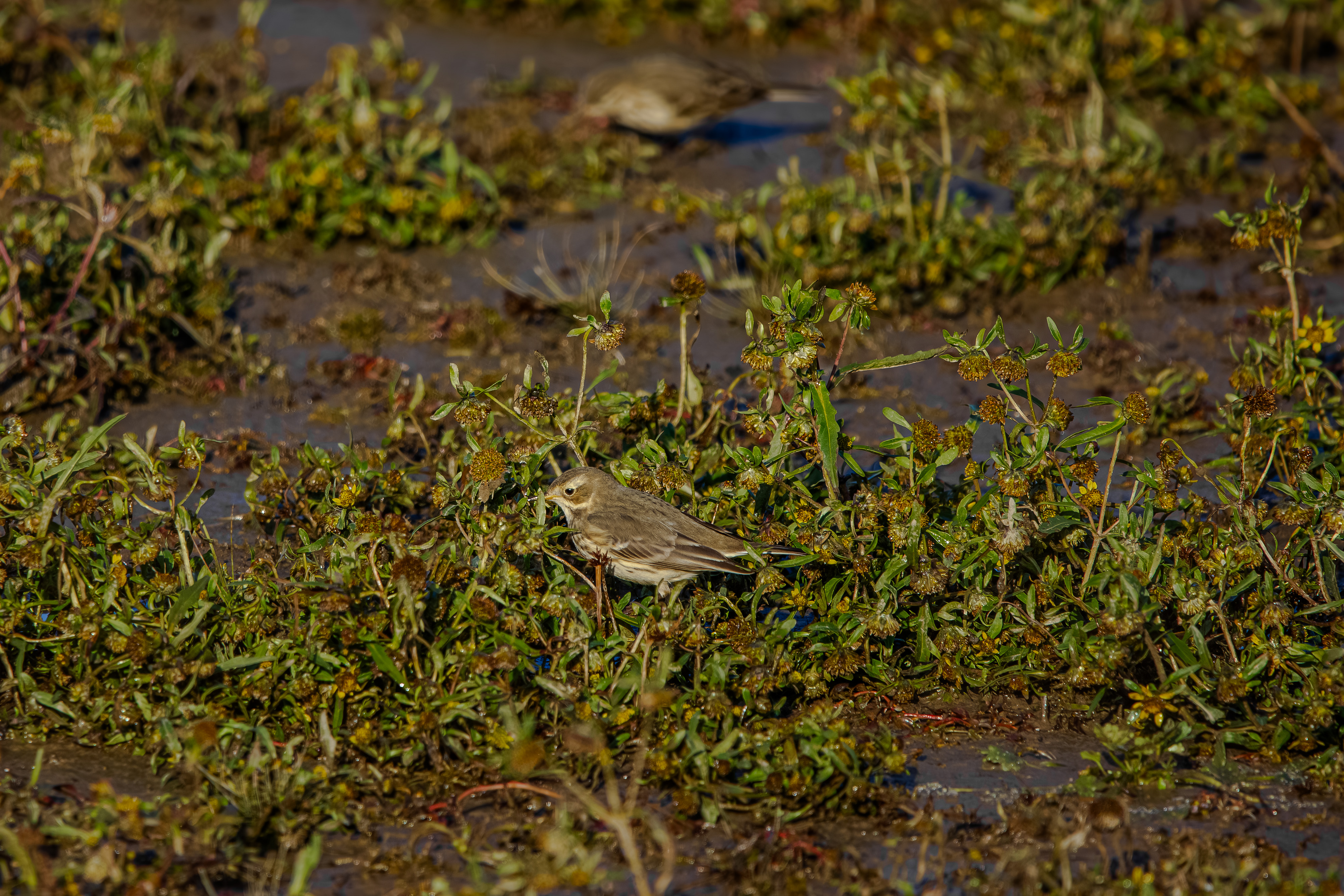
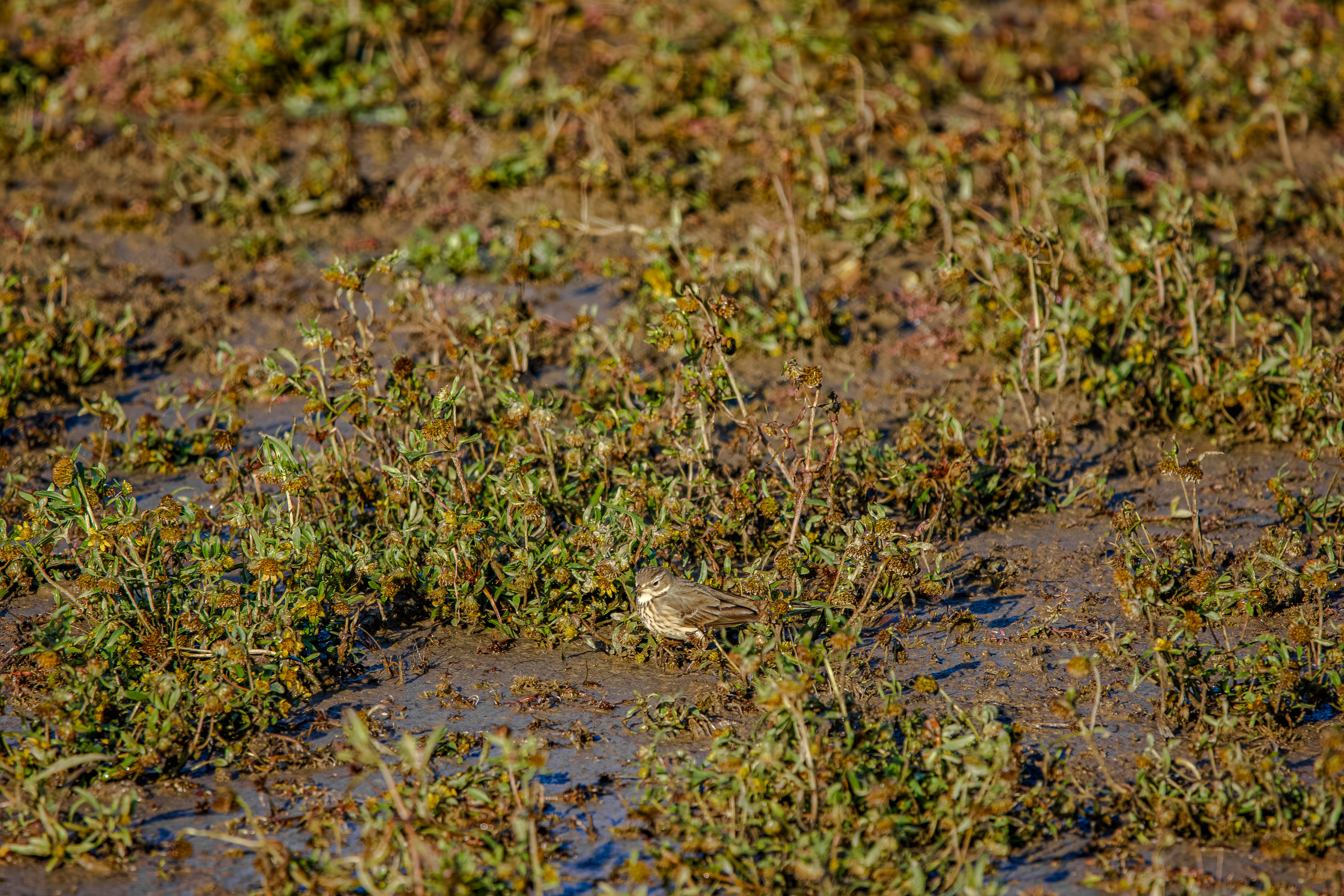
The American Pipit is one of North America’s most overlooked grassland songbirds, slender, subtle, and elegant in its movements. Despite its understated plumage, this species is remarkable for its extreme seasonal migrations, its specialized breeding habitats on alpine tundra, and its distinctive walking gait that sets it apart from most other small passerines. For birders, the pipit often feels like a reward for careful observation: you don’t stumble upon one by accident, you notice it through patience.
Below is everything you need to know about the American Pipit, for identification, photography, migration timing, behavior, and habitat understanding.
Identification: What an American Pipit Looks Like
The American Pipit stands out through its behavior more than its colors, but its plumage contains subtle beauty once you start noticing the details.
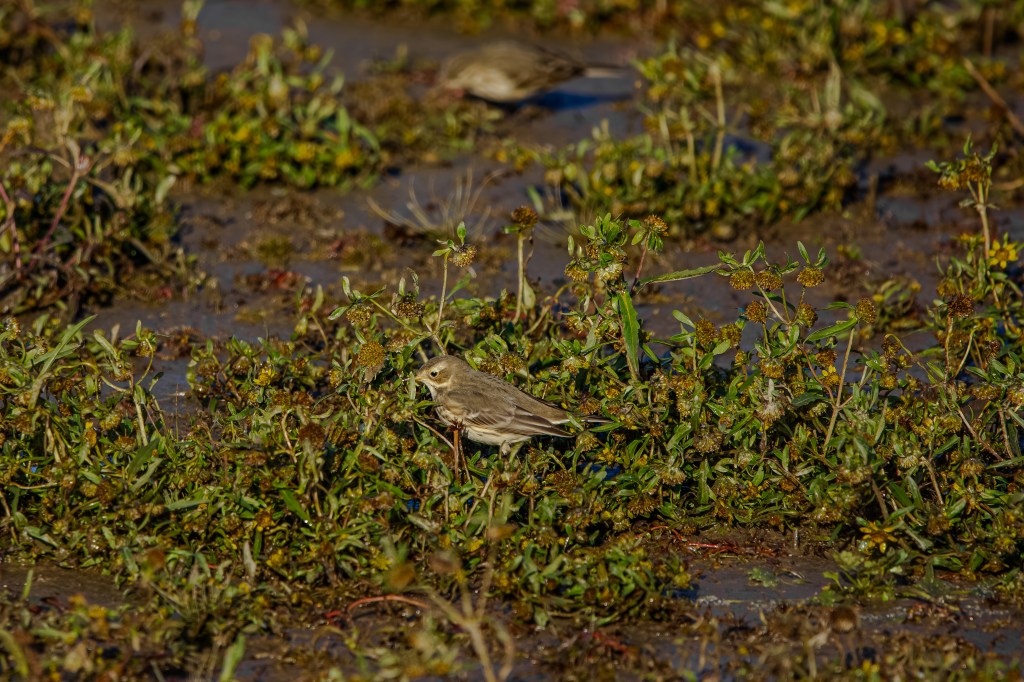
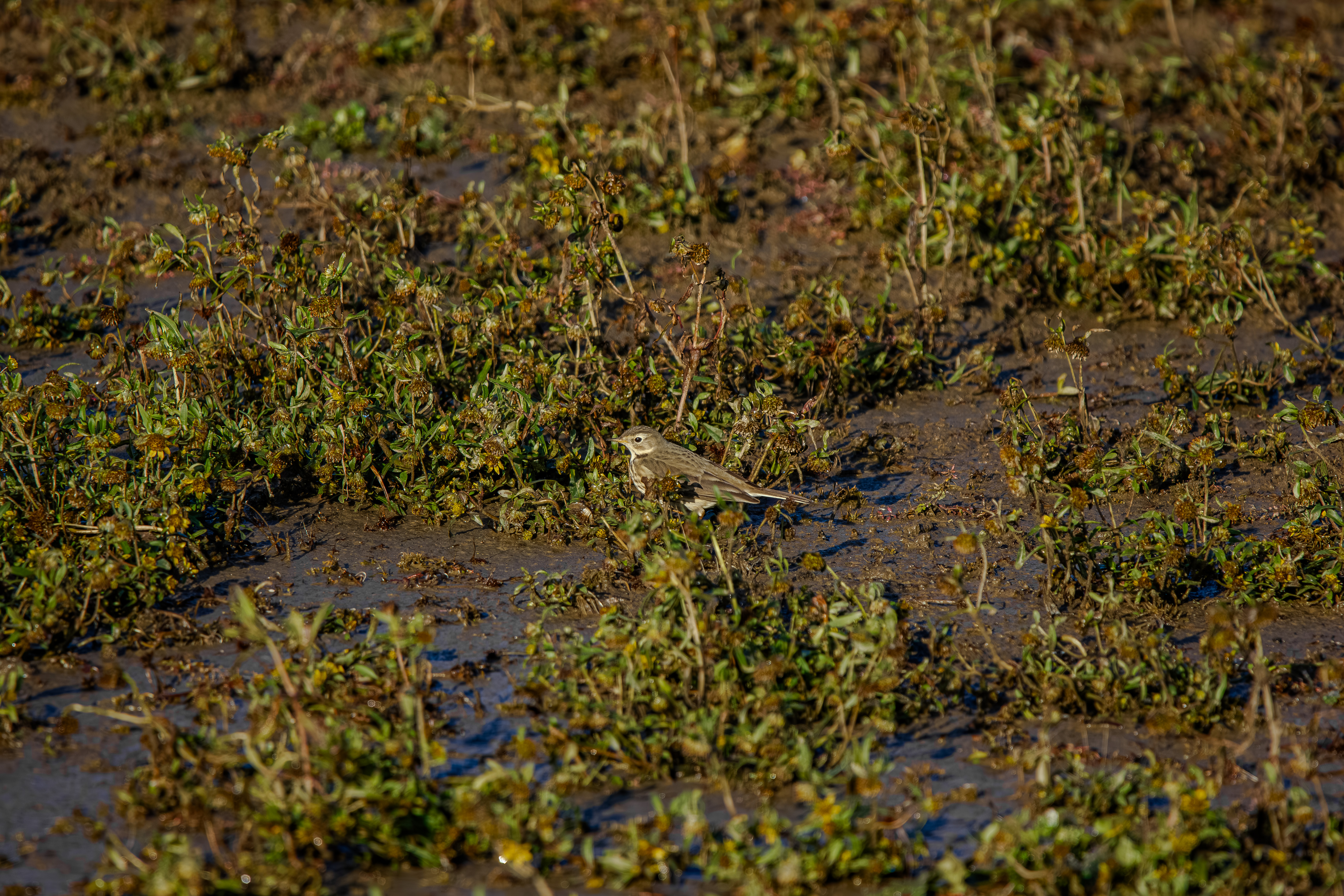
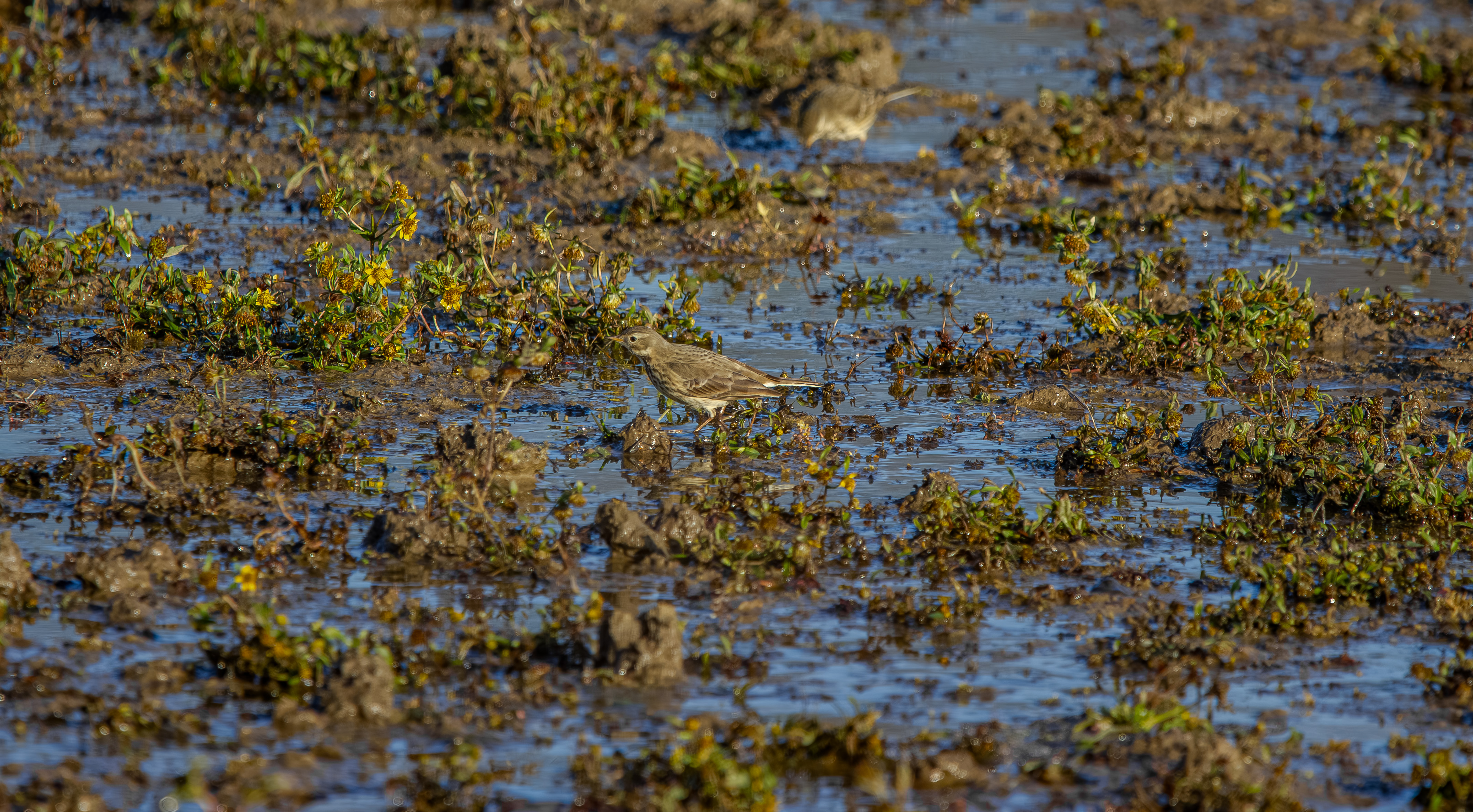
Plumage: Slender brownish-gray body with buffy tones, pale supercilium (eyebrow). thin, sharply pointed bill, built for insect foraging, light streaking along the sides of the breast, white outer tail feathers visible in flight, legs appear black.
In winter, pipits look brown and earthy. In summer, many acquire a more colorful peachy or buff wash on the breast, especially in Arctic breeding ranges.
Behavior is often the key to confirming a pipit: They walk, not hop a rare behavior among small songbirds. Constant tail-pumping with a smooth up-and-down motion. Often found in flocks during migration. Flights are low, bouncy, and accompanied by a sharp “pip-it!” call
Calls and Vocalizations
The pipit’s call helps identify it even before you see it. A clear, single or double note:
“pip-it!”
“piit!”
These calls are typically heard when birds flush from a field, beach, or mudflat.
During the breeding season, males perform fluttering flight displays, delivering a thin, airy, high-pitched song: Rapid, high-frequency tinkling. Sometimes includes buzzy or lisping notes
Habitat: Where American Pipits Live Throughout the Year
One of the pipit’s superpowers is adaptability. It occupies some of the harshest and most exposed landscapes on the continent. Alpine tundra, Arctic tundra, High mountain slopes, Rocky ridges above treeline.
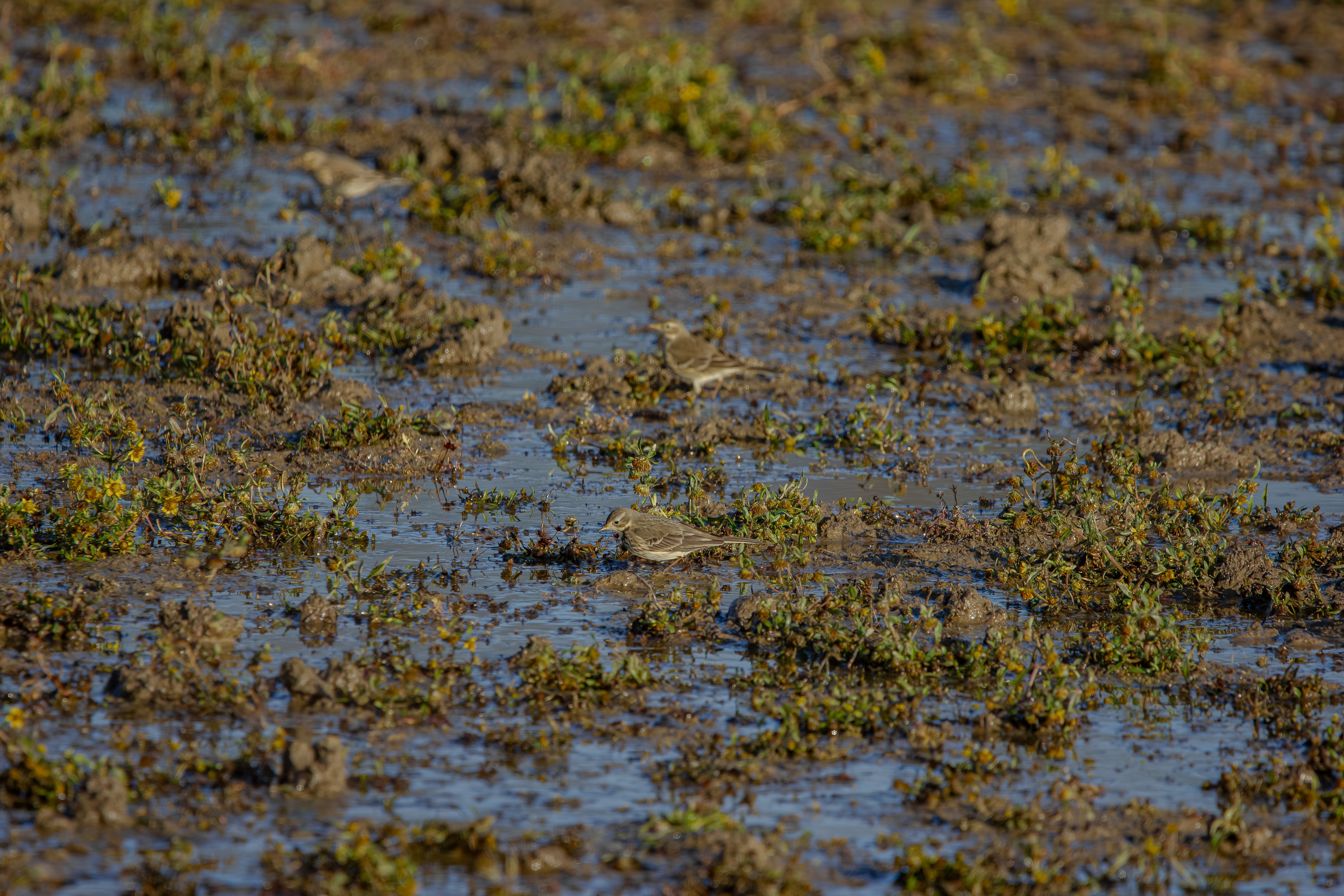
They build grass nests tucked into mossy depressions or rocky crevices. These habitats are quiet, cold, and open, no trees, just vast ground. During migration pipits move to: Short-grass fields, River mudflats, Farm fields, Recently plowed farmland,nCoastal beaches
Pipits walk across these flat areas hunting for insects, occasionally allowing close observation. In winter they gather in: Agricultural fields, Tidal flats, Sandy beaches, Open shrubland, Pasture. This is the best time for birders to find pipits in large numbers.
Migration: One of the Most Extreme Songbird Journeys
The American Pipit’s migration is long and demanding. They move north through: Northern U.S., Southern Canada, Great Lakes region, Mountain corridors. This is when many birders spot them walking through open fields. Fall brings the highest numbers for most regions: Flocks pause on farm fields. Birds concentrate on beaches and wetland edges.Great Lakes shorelines often hold dozens at a time.
Pipits winter across: Southern U.S., Mexico, Coastal California, Gulf Coast, Southeastern states
Some linger into late December in northern states if fields remain unfrozen.
Diet and Foraging Behavior
American Pipits have a diet that reflects their habitats.
Foods They Eat: Small beetles, Midges, Mosquito larvae,Grasshoppers, Spiders, Seeds (especially in winter)
They feed by walking quickly across the ground, scanning for movement. You’ll often see them pause, tilt their head slightly, then dart forward to grab prey.
Behavior: What Makes This Species Unique
Like wagtails, pipits frequently bob their tails. This behavior, helps signal alarm. Maintains balance when walking. Establishes social cues in flocks
Ground Nesting: Their nests are well-hidden, often tucked under rocks or vegetation in the harsh Arctic.
Flocking: American Pipits form loose flocks in migration and winter. These groups can include:Horned Larks, Lapland Longspurs, Snow Buntings
Seeing these species together often signals excellent birding conditions.
Photography and Birding Tips
How to Get the Best Photos. Approach slowly, staying low. Pipits often circle back after flushing, wait quietly. Use fields with short vegetation. Mudflats are incredible because birds walk closer to you.Overcast skies give great feather detail for their subtle tones
Conservation Status
Fortunately, the American Pipit remains widespread. However, declines have been noted in some agricultural regions. Climate change is affecting alpine and Arctic breeding habitats. Ground nests are vulnerable to warming and predation
Still, it is not currently listed as threatened. For more conservation detail, you can visit Cornell’s species page:
https://www.allaboutbirds.org/guide/American_Pipit/
American Pipit Fun Facts
One of the only small songbirds that truly walks instead of hops. Breeds in landscapes too severe for nearly any other passerine. Often detected first by its sharp “pip-it!” call when flushed from fields.Known globally as the “Buff-bellied Pipit” outside North America.
 Wild Bird Journal
Leave a comment