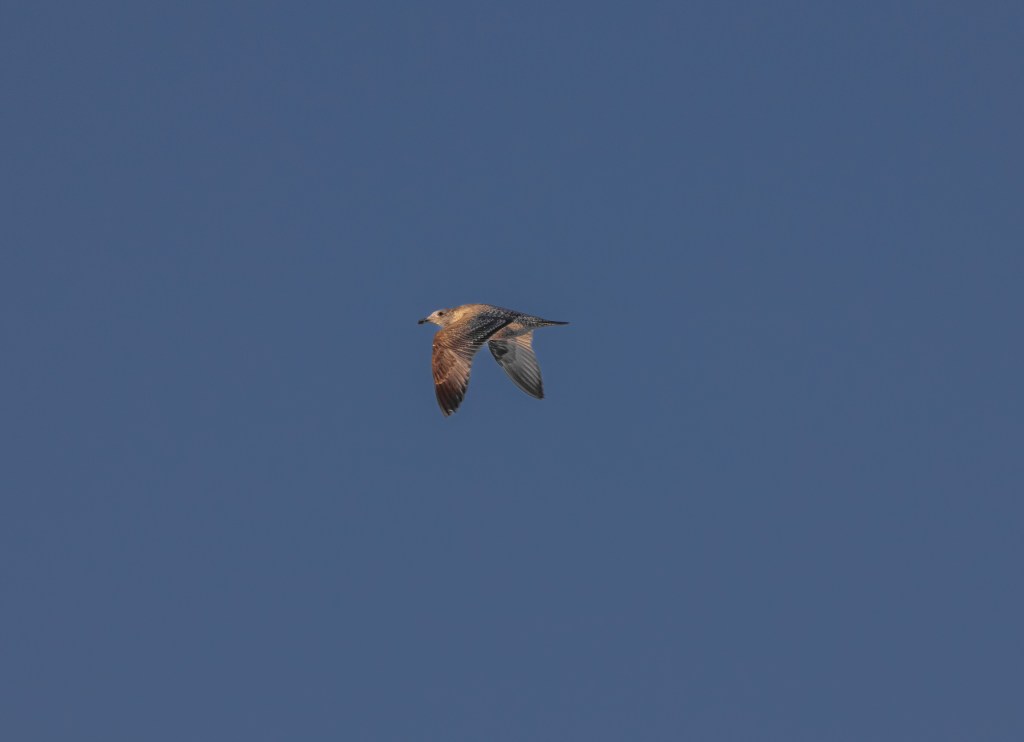
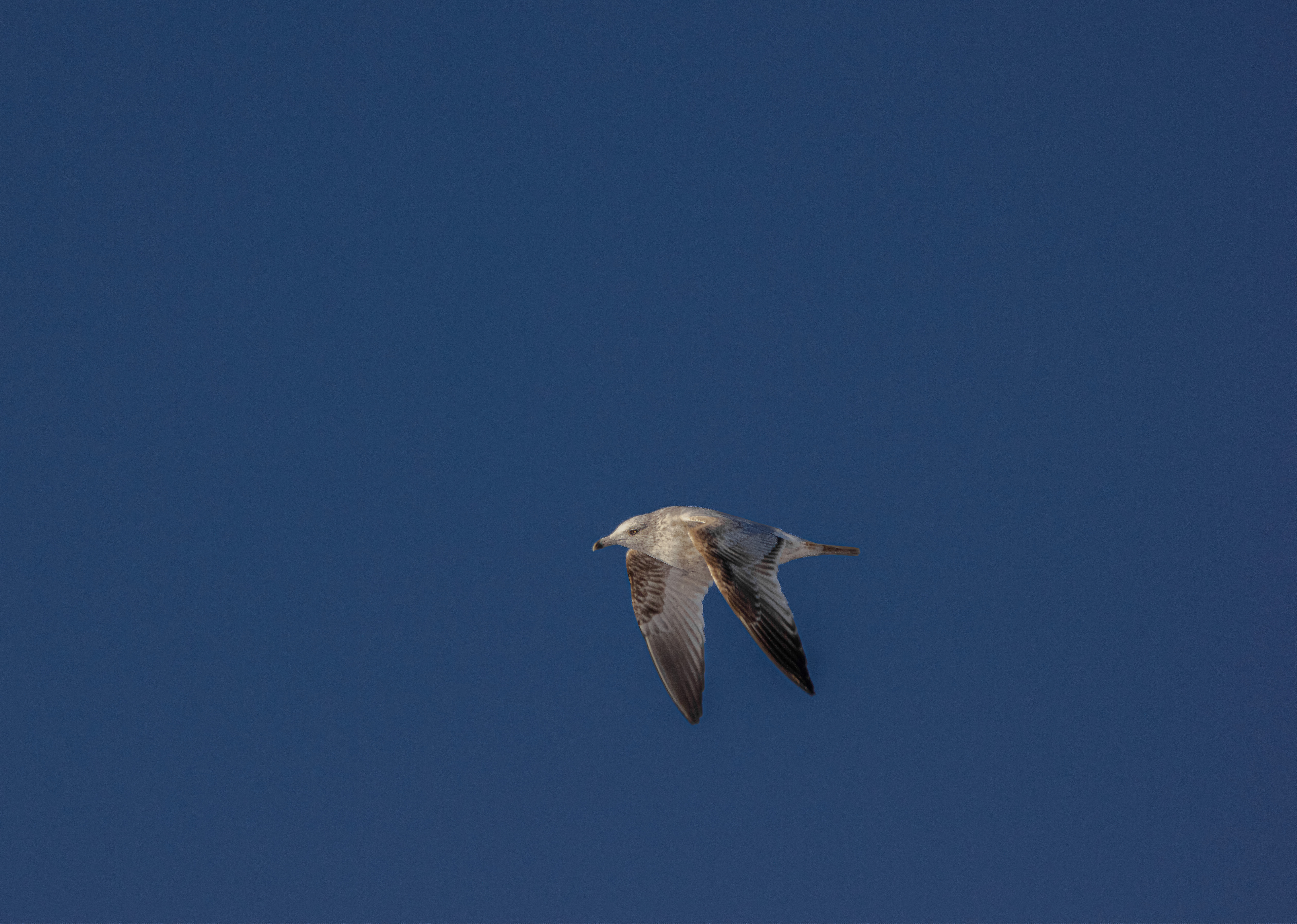
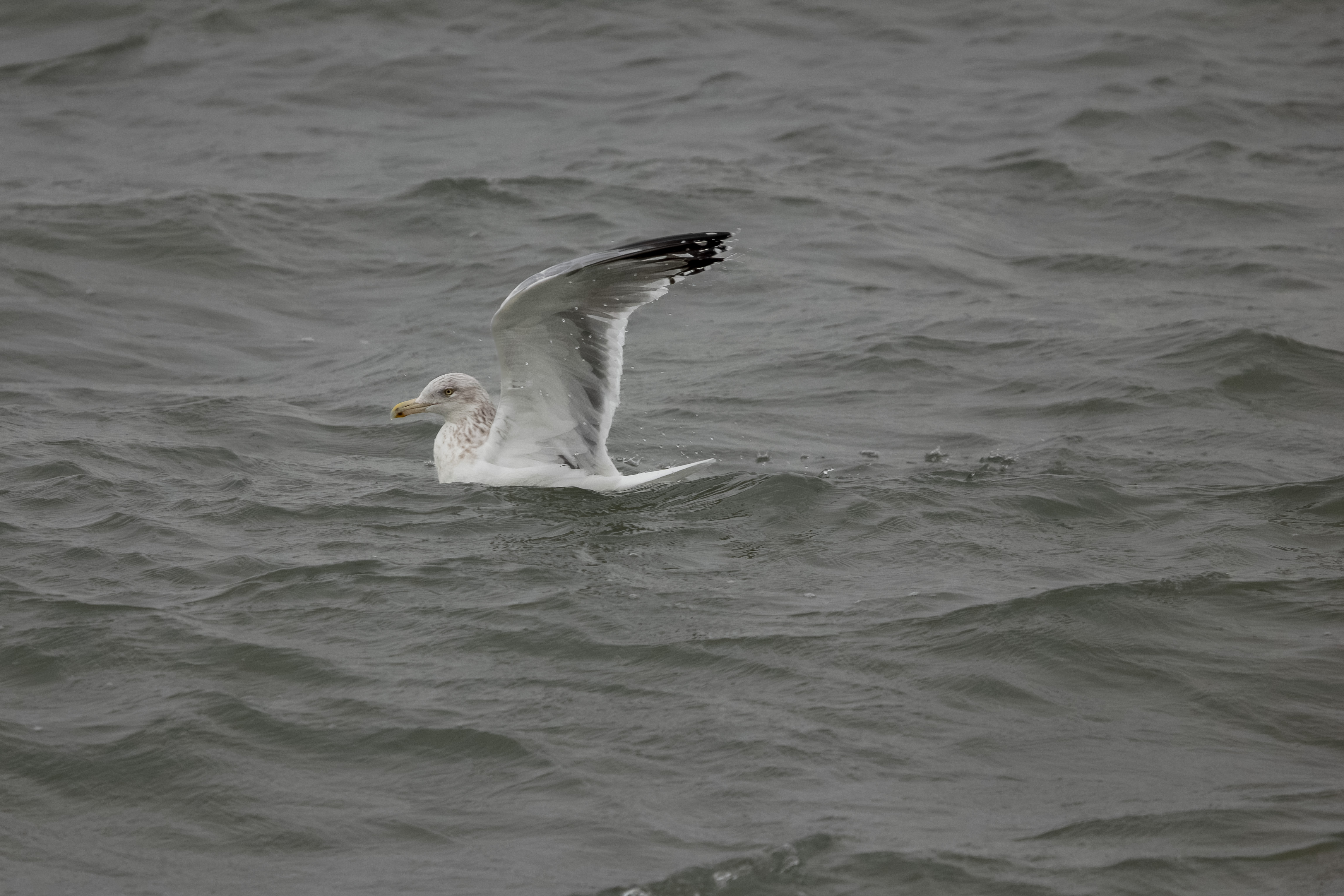
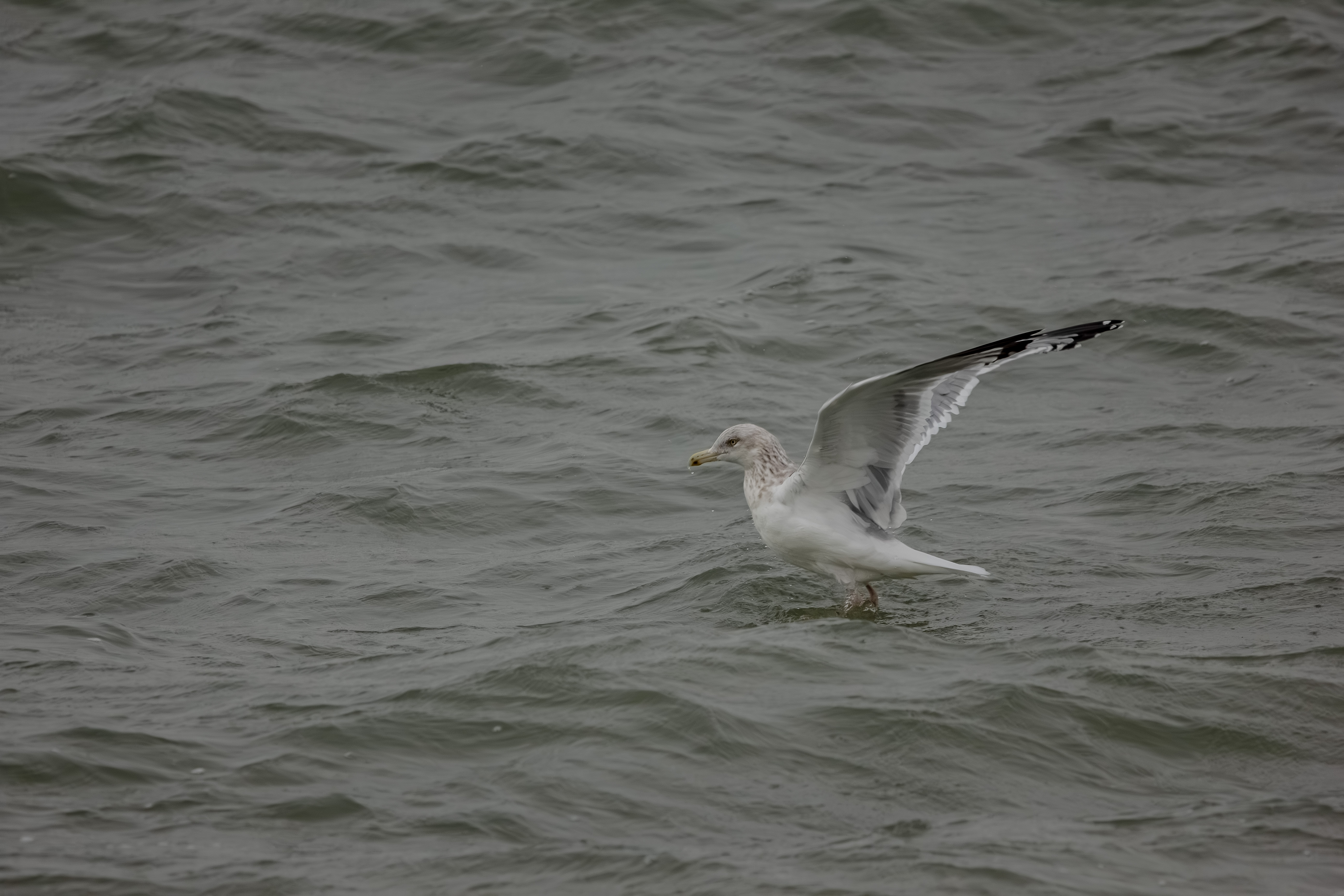

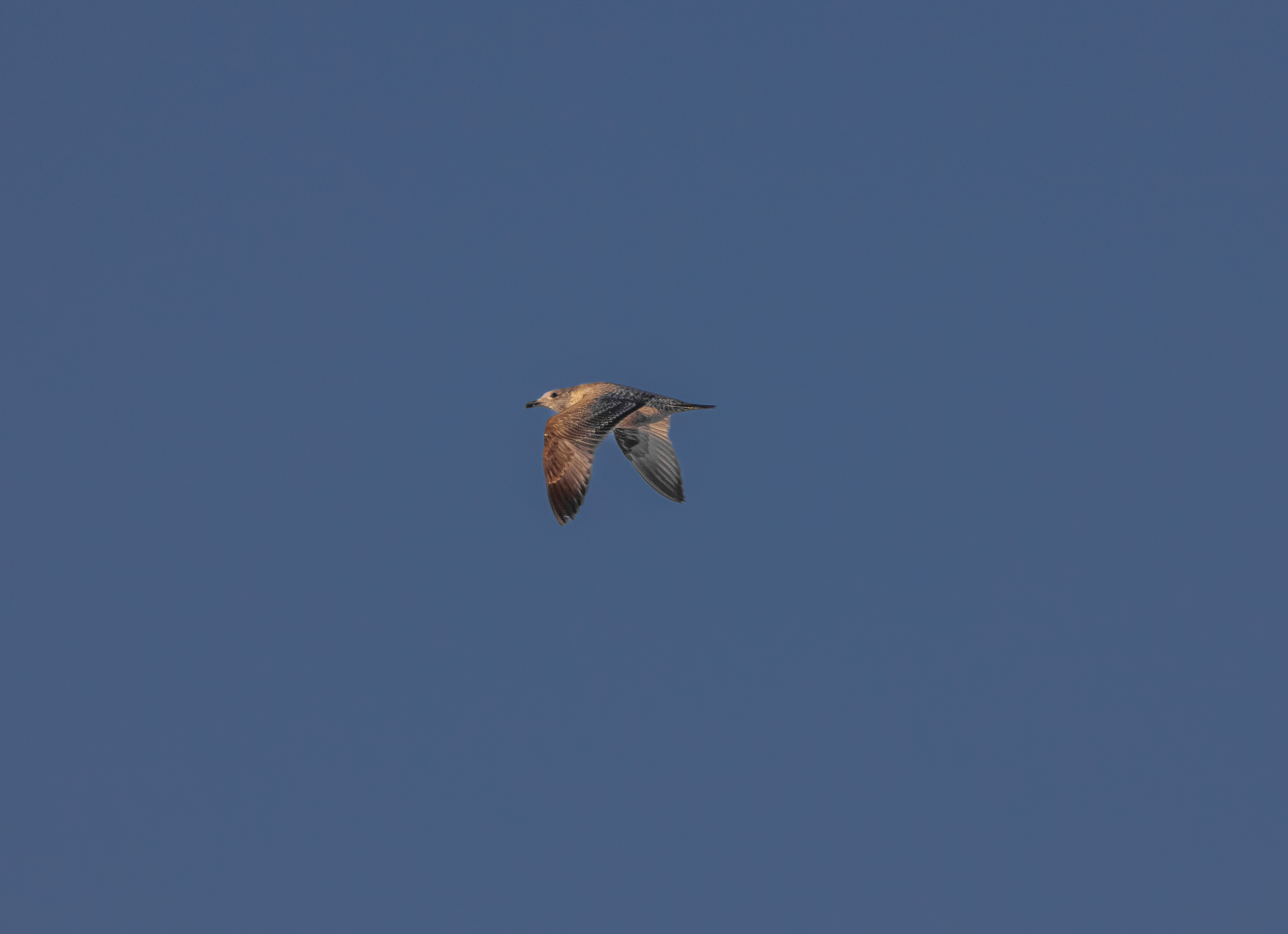

The American herring gull (Larus smithsonianus) is a large, powerful seabird commonly found along coastlines, lakes, rivers, and urban areas across North America. Known for its adaptability, intelligence, and distinctive gray-and-white plumage, the American herring gull is one of the most recognizable gull species in the United States and Canada.
Formerly considered the same species as the European herring gull, the American herring gull is now classified as a separate species due to genetic, behavioral, and physical differences.
Scientific Classification
Common Name: American Herring Gull
Scientific Name: Larus smithsonianus
Family: Laridae
Order: Charadriiformes
Physical Description
The American herring gull is a large gull, measuring approximately 22–26 inches (56–66 cm) in length with a wingspan of 54–60 inches (137–152 cm).
Key Identification Features
Pale gray upper wings and back, white head and underparts, yellow bill with a distinct red spot on the lower mandible, pink legs, black wingtips with white “mirrors”, pale yellow eyes, often with a fierce expression
Juvenile American herring gulls are mottled brown and take four years to reach full adult plumage.
Habitat and Range
Geographic Range
The American herring gull is widely distributed across:
The United States, Canada, the coastal regions of the Atlantic, Pacific, and Gulf of Mexico, the Great Lakes, inland waterways, landfills, and urban centers
Preferred Habitats
Coastal beaches and rocky shorelines, harbors and marinas, lakes, rivers, and reservoirs, parking lots, rooftops, and landfills
Their ability to thrive in both natural and human-altered environments makes them one of the most successful gull species in North America.
Diet and Feeding Behavior
The American herring gull is an opportunistic omnivore with a highly varied diet.
Common Food Sources
Fish and marine invertebrates, crabs, mollusks, and starfish, snails and earthworms, small birds and eggs, carrion, human food scraps
These gulls are known for dropping hard-shelled prey, such as clams, onto rocks to crack them open and for stealing food from other birds.
Behavior and Intelligence
American herring gulls are extremely intelligent and social birds.
Notable Behaviors
Complex vocal communication, tool-like problem solving, food caching, aggressive defense of nesting sites, strong site fidelity, returning to the same breeding areas each year
They are often dominant over smaller gull species and thrive in competitive environments.
Breeding and Nesting
Breeding Season
Typically, April through July.
Nesting Habits
Colonies are located on islands, rooftops, cliffs, or marshes. The nests are made from grass, seaweed, feathers, and debris.
Reproduction
Clutches of 2–3 eggs, incubation lasts about 28–30 days, and both parents participate in feeding and protection.
Chicks are semi-precocial, able to walk shortly after hatching but reliant on parents for food.
Vocalizations
The American herring gull has a loud and varied vocal repertoire, including the iconic “long call”, sharp alarm calls, and begging calls from juveniles. These calls play a crucial role in territory defense and social communication.
Conservation Status
IUCN Status: Least Concern
The American herring gull population is currently stable, though local declines can occur due to Habitat loss, pollution, changes in food availability, and human-wildlife conflict
They are protected under the Migratory Bird Treaty Act in the United States.
Role in Ecosystem
American herring gulls play an important ecological role by:
Controlling fish and invertebrate populations, scavenging carrion and waste, and acting as indicators of coastal ecosystem health
Fun Facts About the American Herring Gull
Can live up to 30 years in the wild, recognize individual humans, and adapt quickly to urban environments, making it one of the most studied gull species in North America
 Wild Bird Journal
Leave a comment