Discover the Common Goldeneye (Bucephala clangula), a striking diving duck known for its golden eyes, whistling wings, habitat, behavior, diet, and identification tips.
This hardy waterfowl species breeds in northern forests and winters across much of the United States, frequently appearing on lakes, rivers, reservoirs, and coastal bays.
Often called “whistlers” by birders and hunters because of the sound their wings make during flight, Common Goldeneyes are fast, powerful flyers and skilled underwater hunters.
Common Goldeneye Identification
Male (Drake)
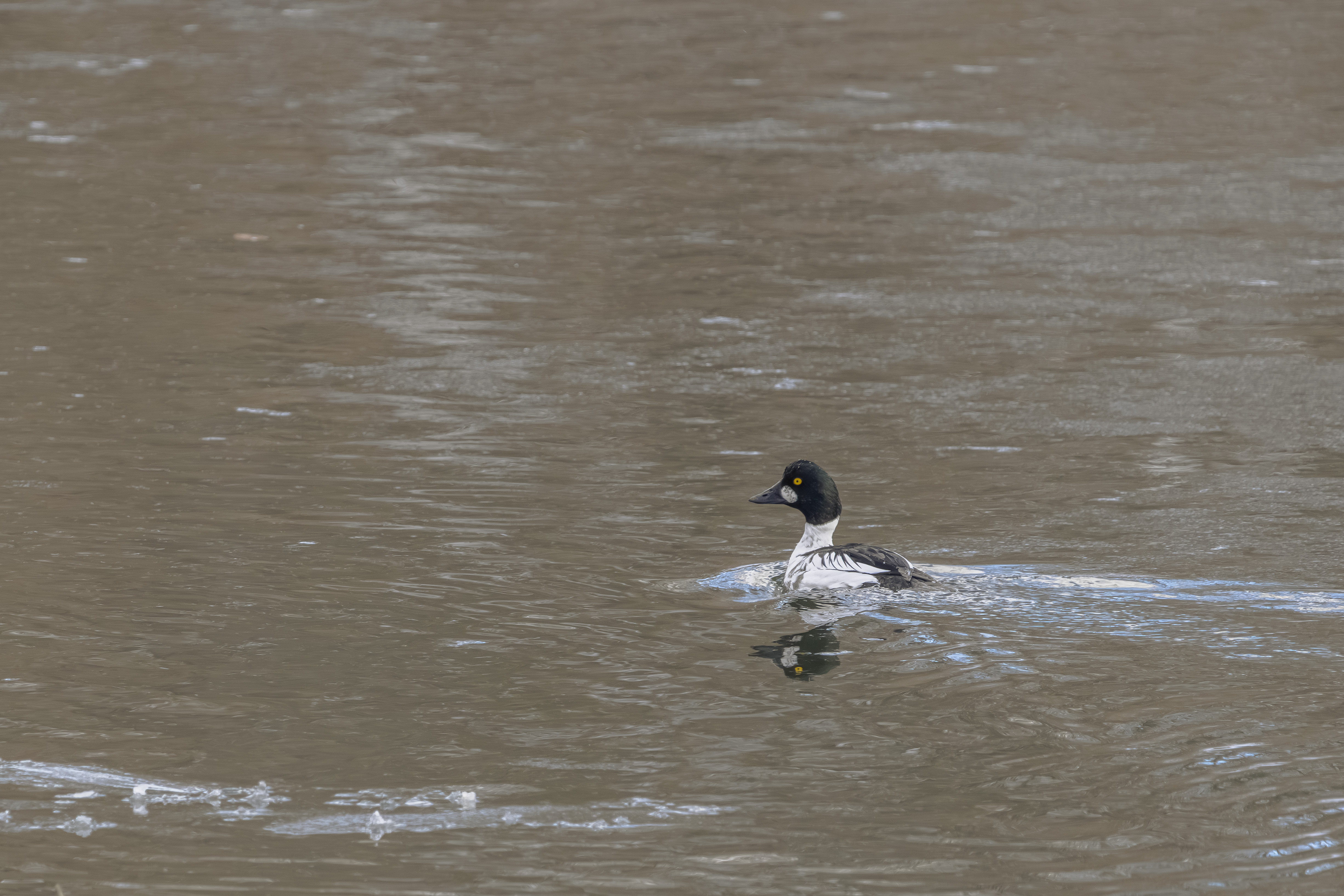
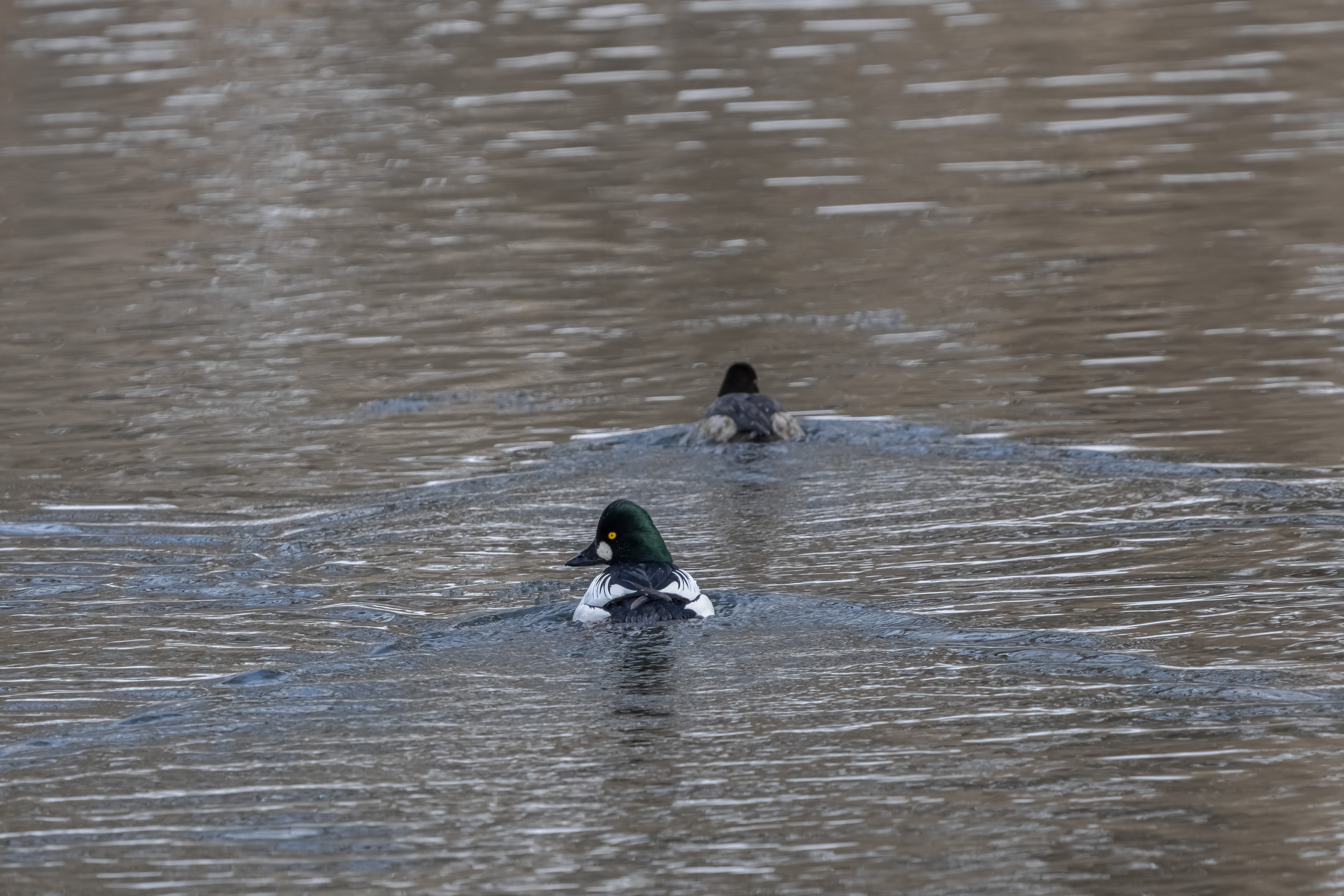
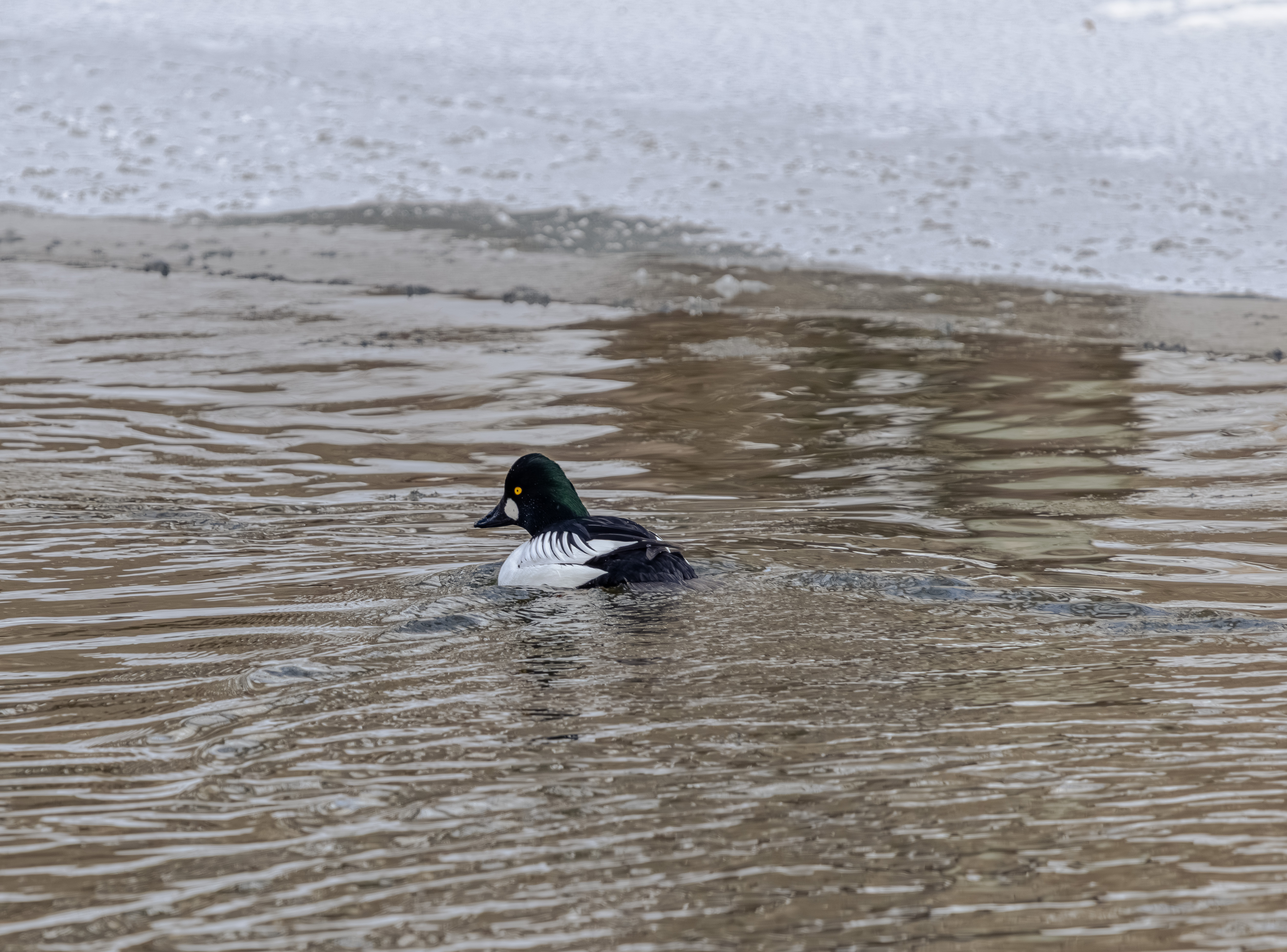
Male Common Goldeneyes are striking and easy to recognize.
Key features: Bright golden-yellow eye, Glossy dark green head (often appears black in low light), Round white cheek patch, Black back and tail, White body and sides, Short dark bill, Stocky diving duck shape.
Female (Hen)
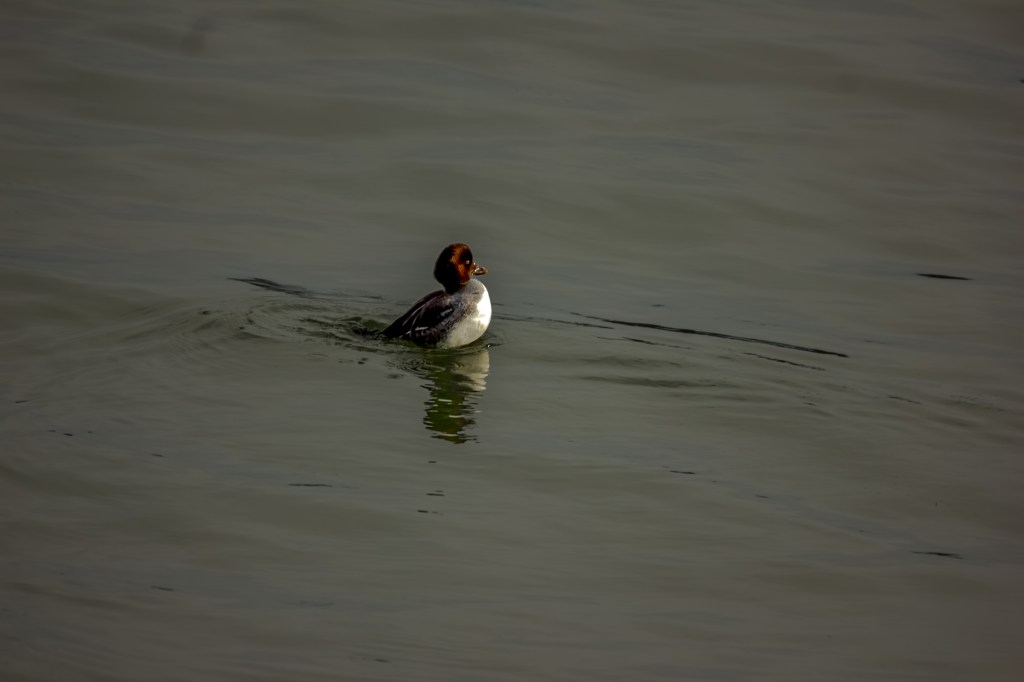
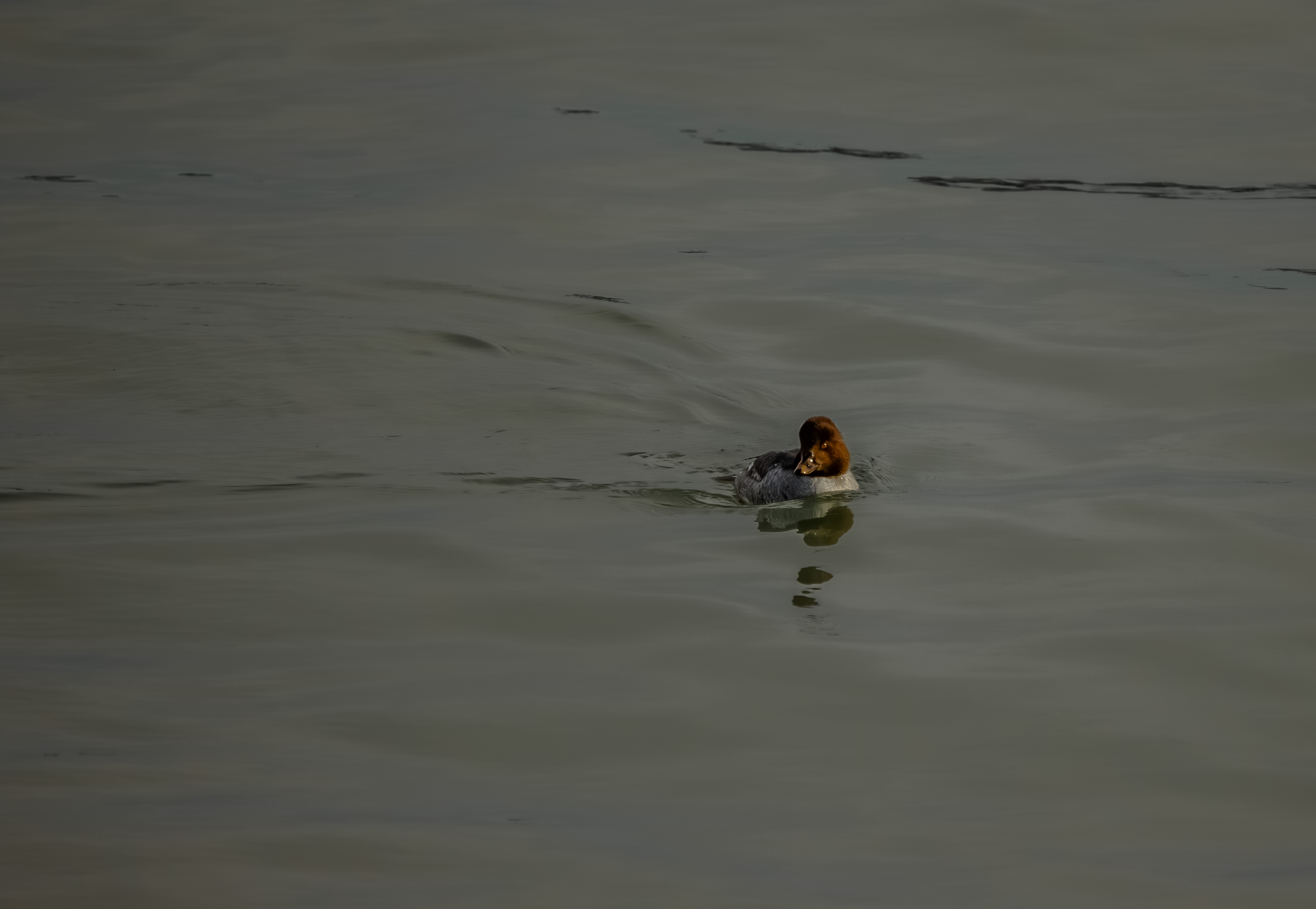
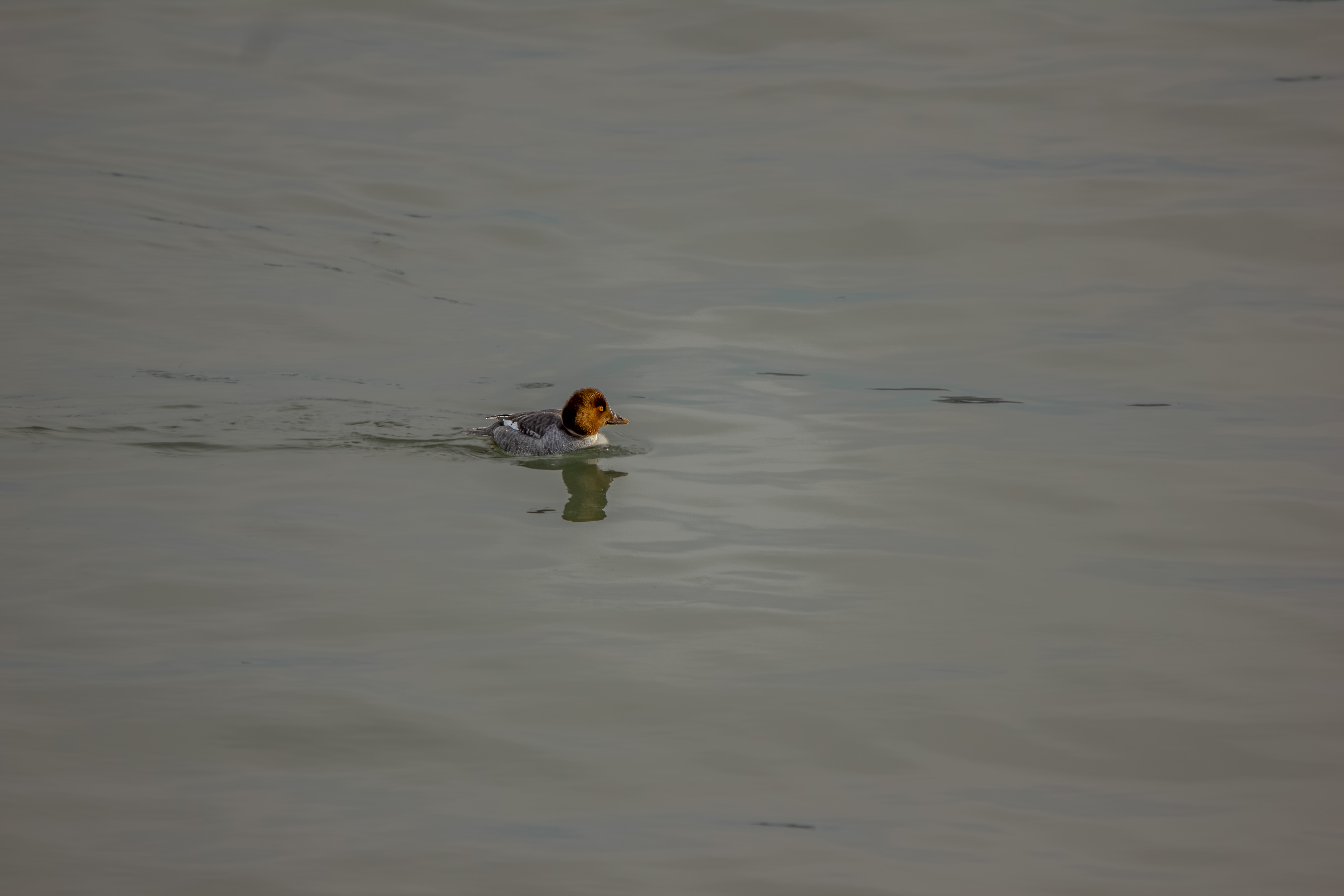
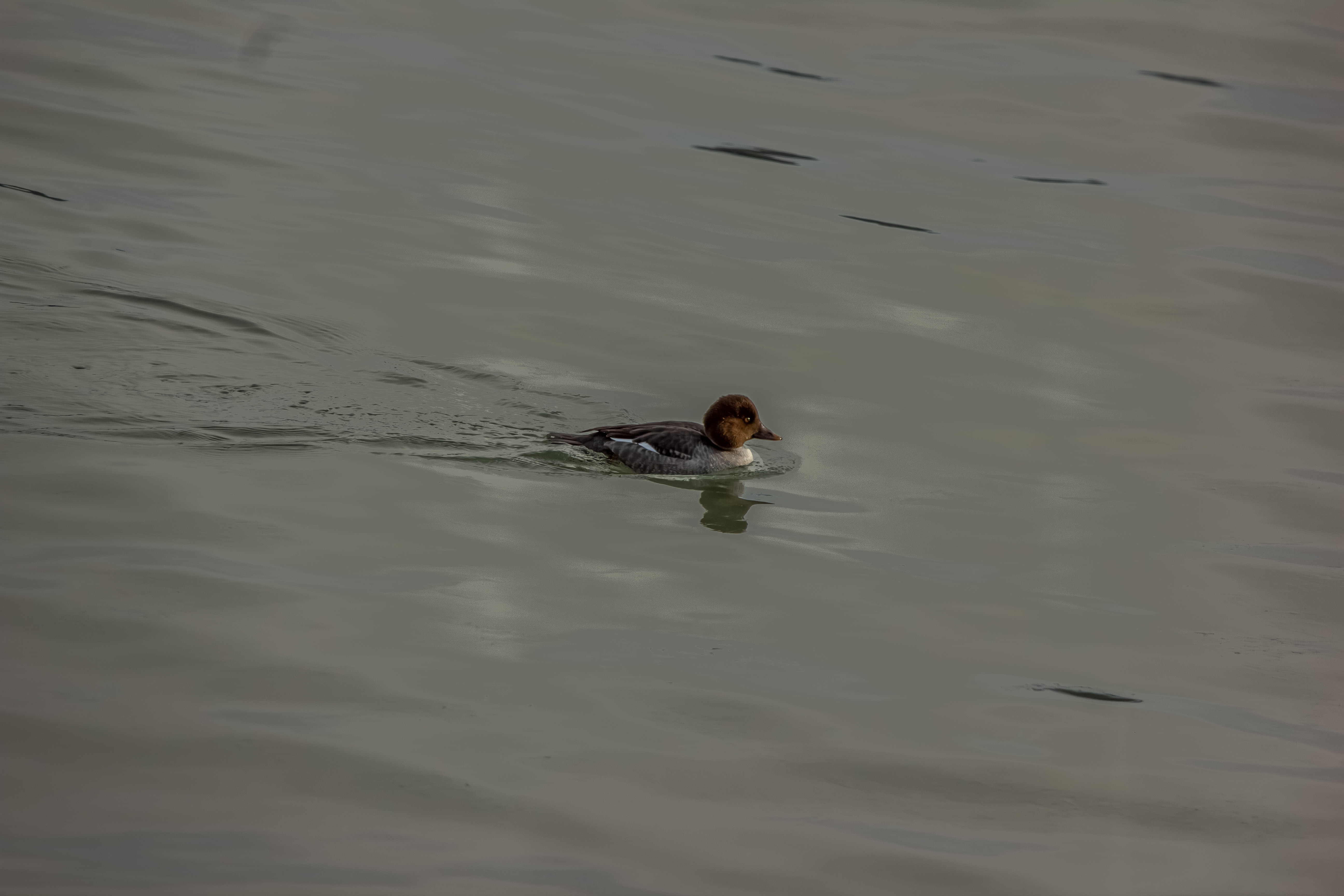
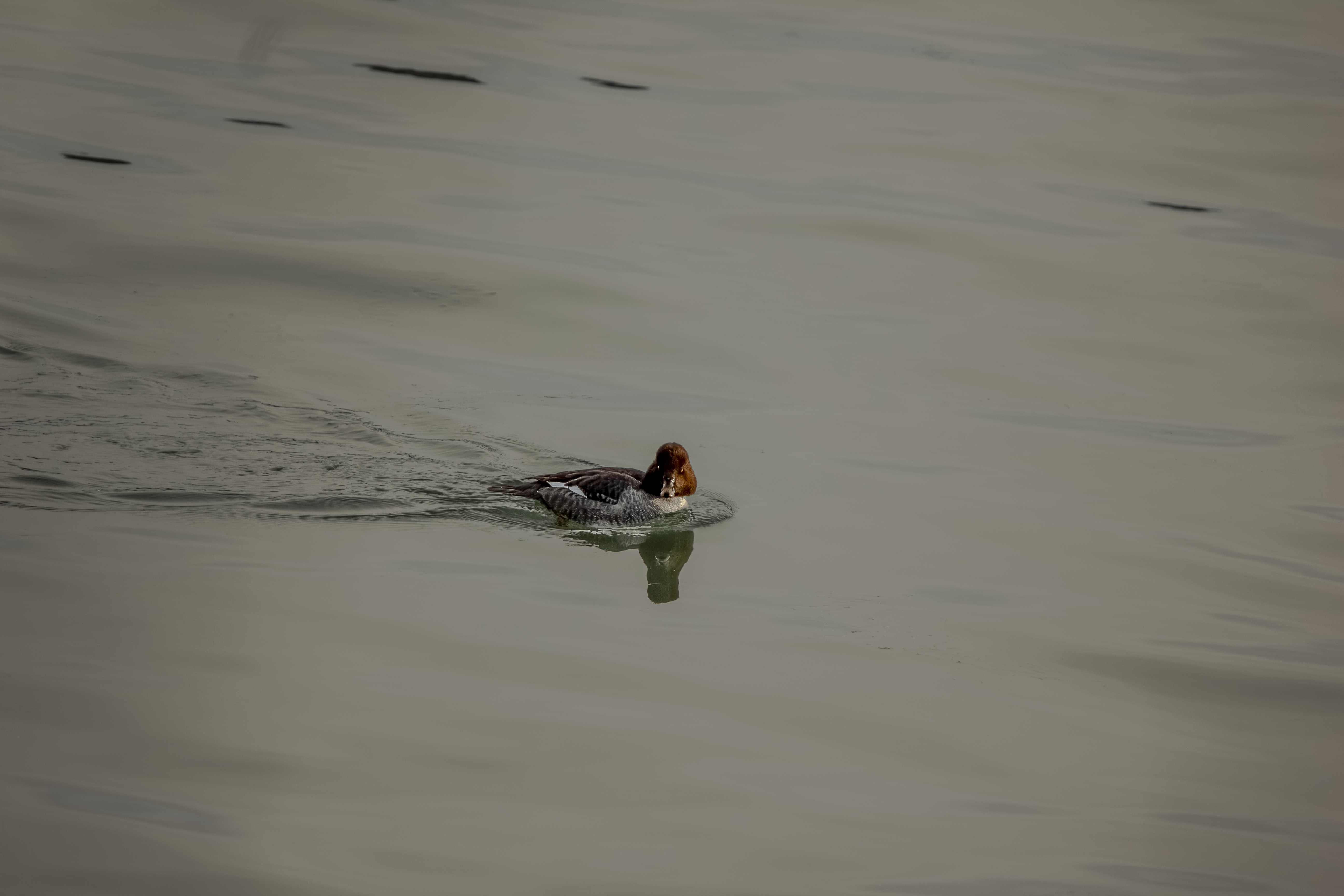
Female goldeneyes look quite different from males.
Key features: Chocolate brown head, Gray body, Yellow-tipped dark bill, Golden eye (less bright than male), Short neck and compact body.
Size and Measurements
Length: 16–20 inches (40–50 cm), Wingspan: 30–32 inches (75–81 cm), Weight: 1.5–3 pounds (700–1,300 g).
Goldeneyes have large heads and short bills, giving them a distinctive profile compared to many other ducks.
Common Goldeneye Habitat
The Common Goldeneye occupies different habitats during the breeding season and winter.
Breeding Habitat
During summer they prefer: Boreal forests, Northern lakes and ponds, Slow rivers in forested regions, Areas with large tree cavities for nesting.
Breeding range includes: Canada, Alaska, Northern United States, Scandinavia and northern Europe.
Winter Habitat
In winter they move south to: Large lakes, Rivers, Reservoirs, Coastal bays and estuaries.
They often gather near open water where ice has not formed, making them common winter birds in northern states.
Common Goldeneye Range and Migration
The Common Goldeneye has a circumpolar distribution across the Northern Hemisphere.
Breeding Range
Alaska, Canada, Northern United States, Scandinavia, Russia.
Winter Range
United States, Northern Europe, Coastal regions of Asia.
Goldeneyes are strong migrants, sometimes traveling thousands of miles between breeding and wintering areas.
Migration usually occurs:
Southbound: October–December.
Northbound: March–April.
Common Goldeneye Diet
Common Goldeneyes are diving ducks, meaning they forage underwater.
Typical dive time:
10–30 seconds
Common foods include:
Animal Prey
Aquatic insects, Insect larvae, Crustaceans, Small fish, Amphibians, Mollusks.
Plant Material
Aquatic vegetation, Seeds, Roots of submerged plants.
In winter they rely more heavily on animal prey, especially mussels and crustaceans.
Behavior and Adaptations
Goldeneyes are excellent divers and swimmers.
Interesting behaviors include:
Rapid Wingbeats
They fly very fast with rapid wingbeats, producing a distinct whistling sound that gives them the nickname “Whistlers.”
Deep Diving
They dive to depths of up to 20 feet (6 meters) to catch prey.
Territorial Displays
During breeding season, males perform dramatic displays including:
Head throws, Splashing displays, Neck stretching, Vocal whistles.
These courtship displays are among the most elaborate of any duck.
Common Goldeneye Nesting
One of the most unique traits of the Common Goldeneye is its tree cavity nesting behavior.
Nest Sites
Goldeneyes nest in:
Tree cavities, Old woodpecker holes, Nest boxes, Hollow trees near water.
Nests may be 30–40 feet above the ground.
Eggs
Clutch size: 6–10 eggs. Color: Pale green. Incubation: 28–32 days.
Duckling Behavior
After hatching, the mother calls the ducklings out of the cavity. The chicks leap from the tree cavity to the ground, sometimes falling 40 feet or more, and then walk to water.
Ducklings feed themselves immediately.
Conservation Status
The Common Goldeneye population is considered stable.
Conservation status: Least Concern (global status)
Population trends remain healthy thanks to: Protection of wetlands, Nest box programs, Sustainable hunting regulations.
However, threats still exist.
Threats
Habitat loss, Water pollution, Oil spills, Climate change affecting northern wetlands.
Common Goldeneye Interesting Facts
The species name clangula refers to the metallic wing whistle sound in flight. They are among the fastest flying ducks. Ducklings can jump from tree cavities over 40 feet high. Goldeneyes can swallow fish underwater before surfacing. They often winter in huge rafts of hundreds of birds.

 Wild Bird Journal
Leave a comment