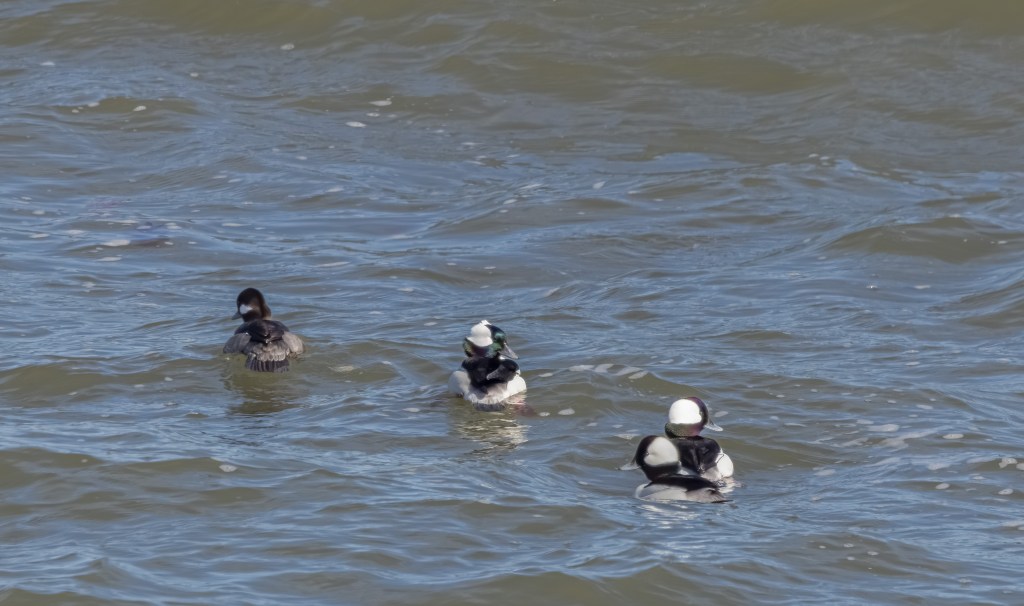
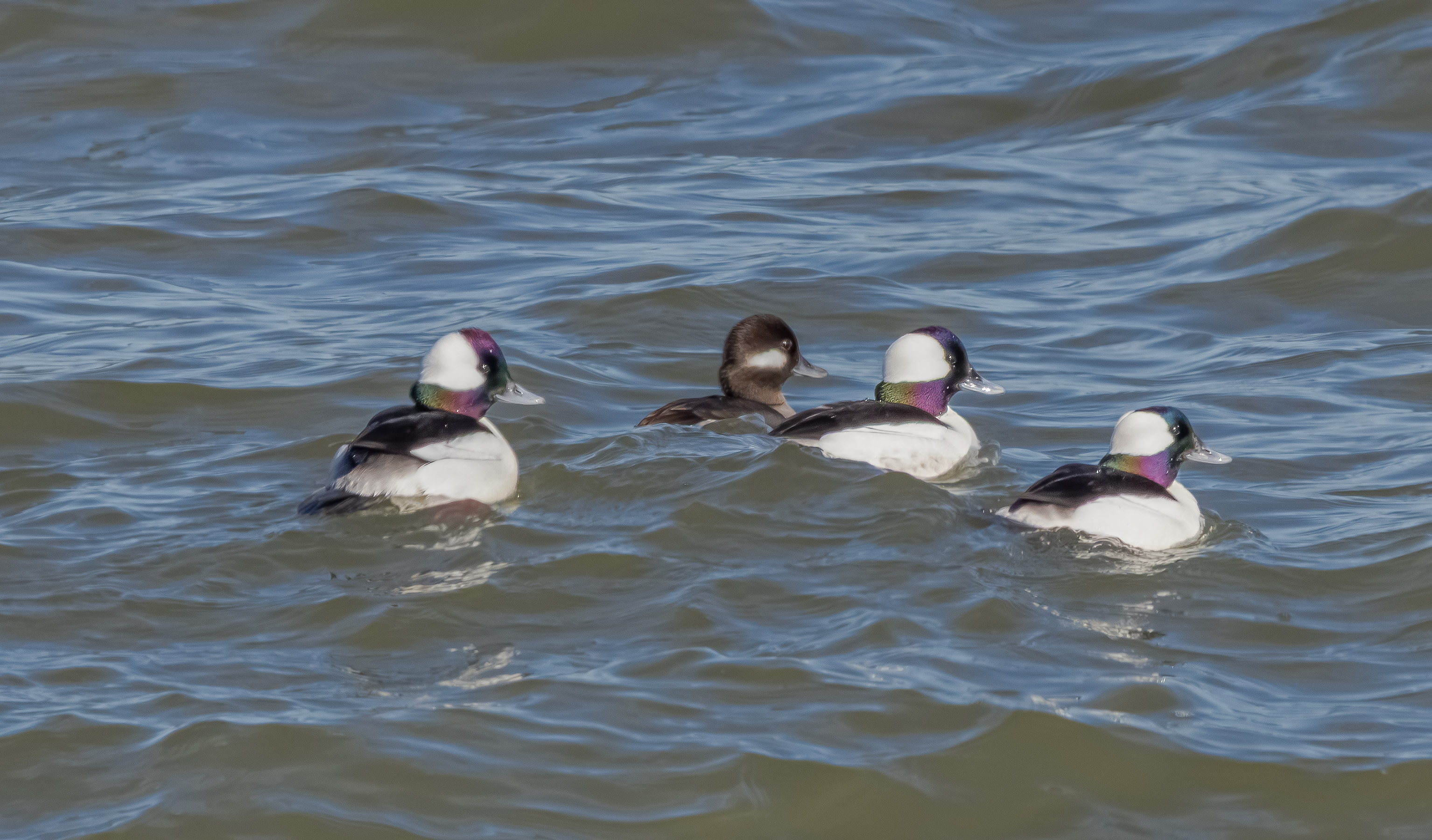
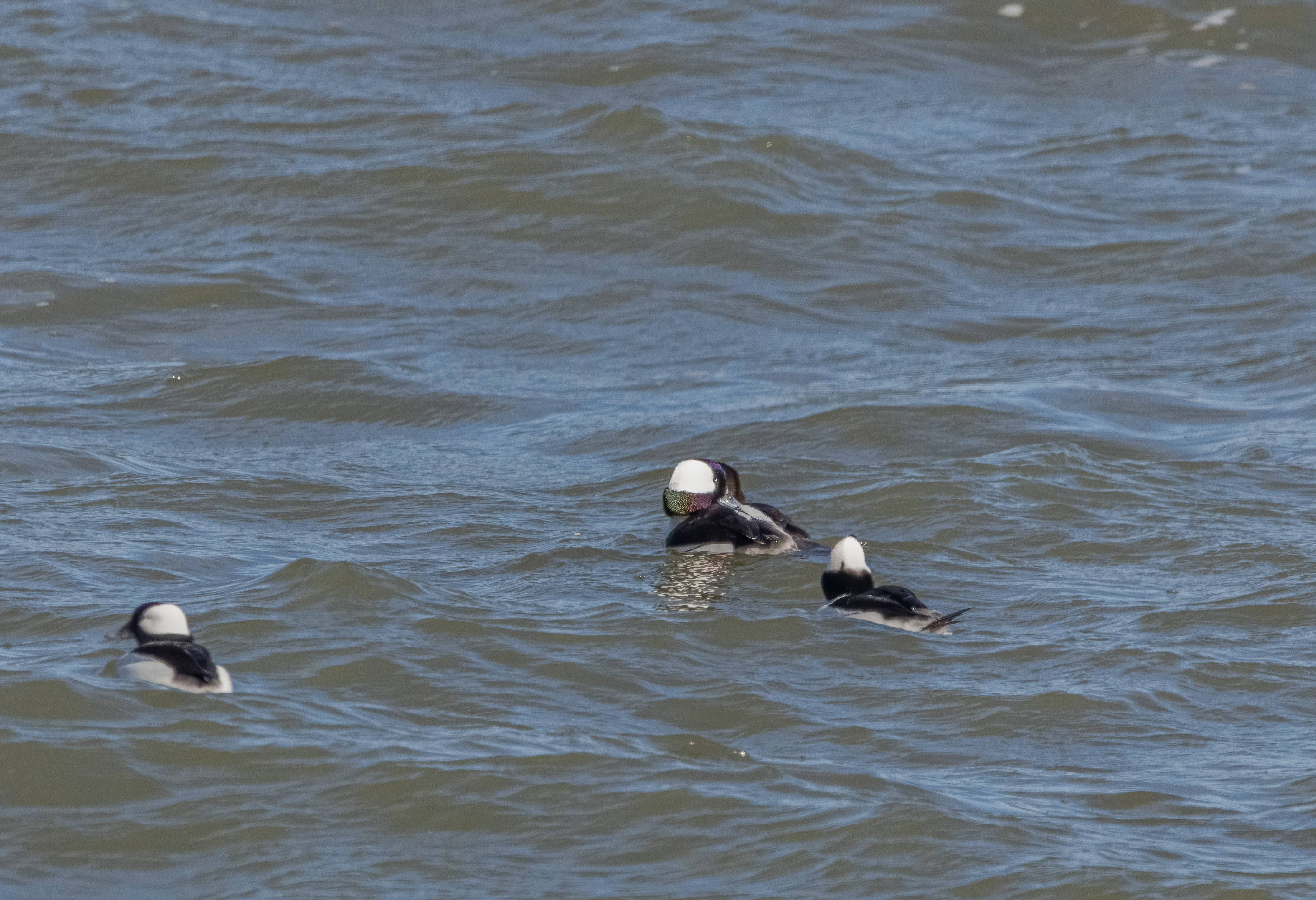
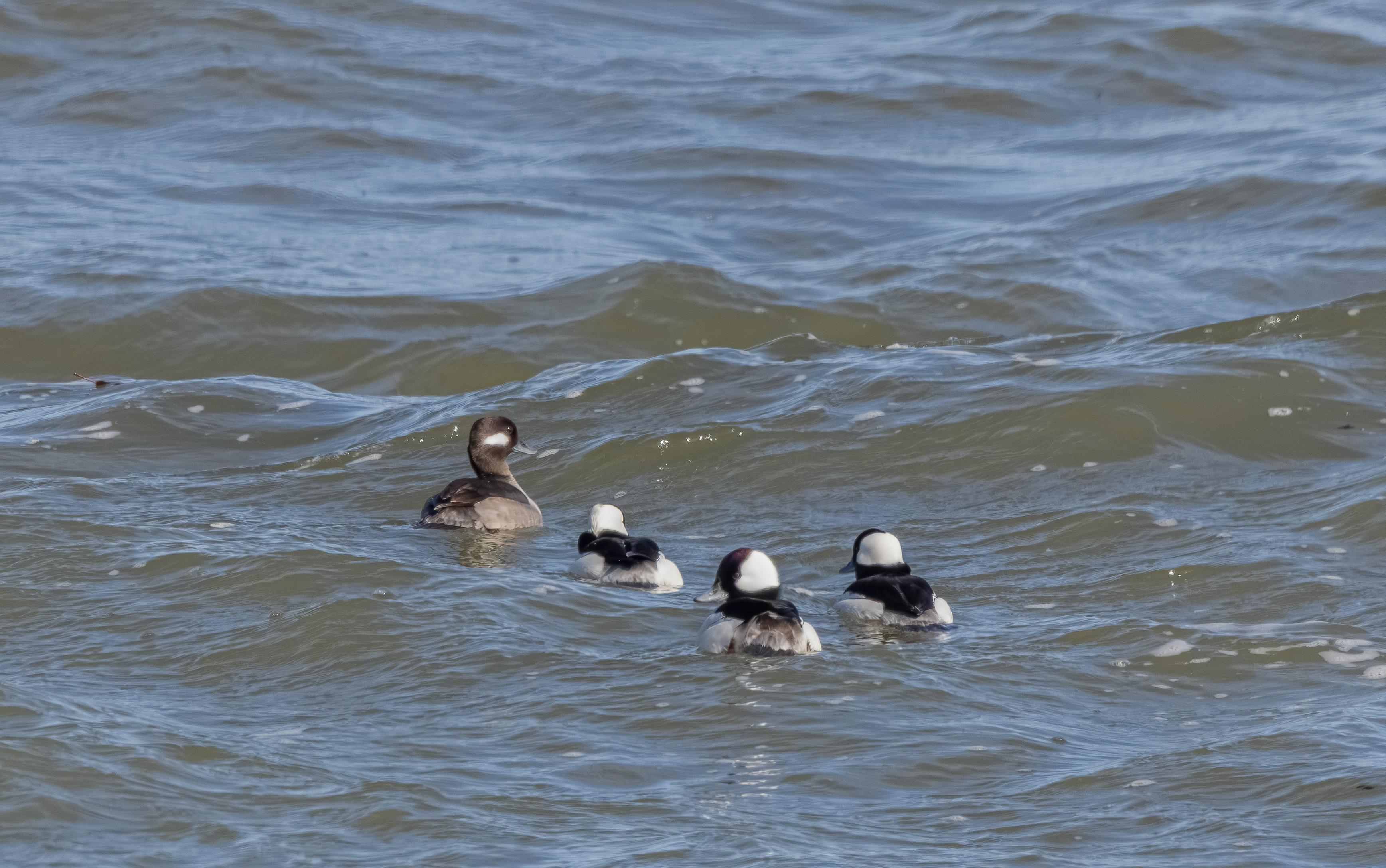
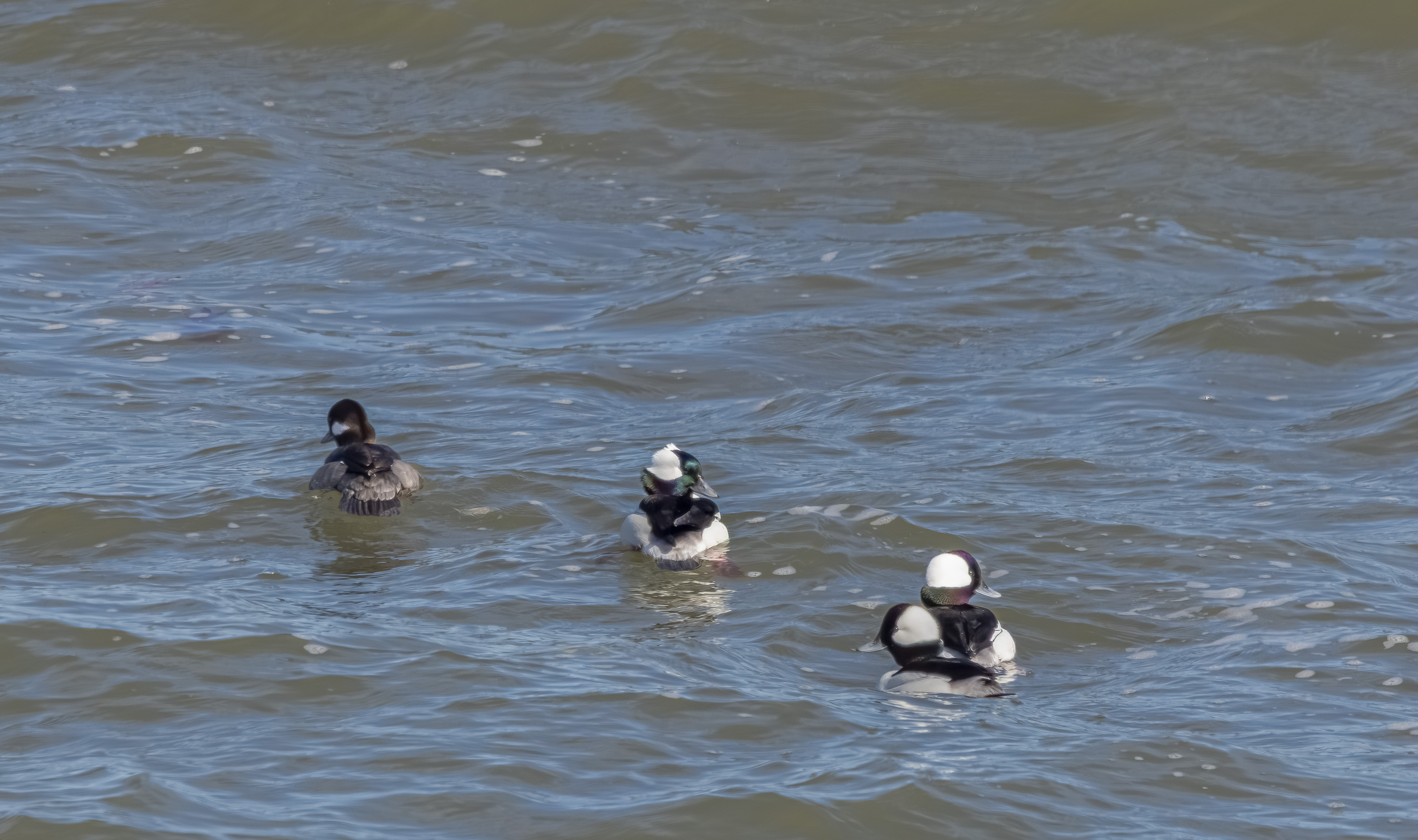
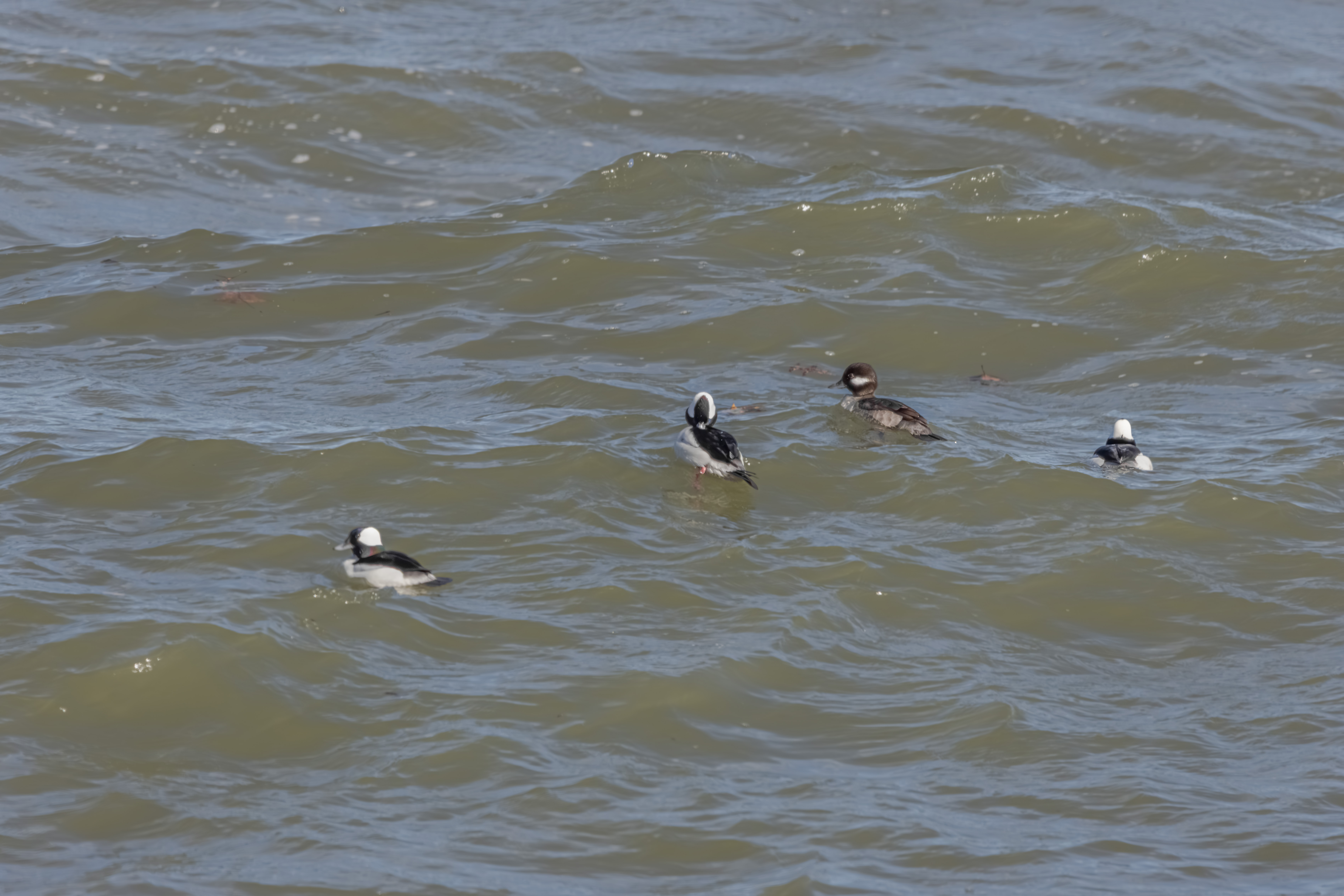
The Bufflehead (Bucephala albeola) is one of North America’s smallest, cutest, and most distinctive diving ducks. Birders love the Bufflehead for its bold black-and-white plumage, energetic diving behavior, glossy iridescent head, and compact shape. If you are searching for Bufflehead facts, identification tips, habitat, range, migration, diet, nesting, behavior, and conservation, this guide covers it all in a search-friendly format. The Bufflehead is a very small, compact diving duck with a large rounded head and short bill, and the male is especially striking with a mostly white body and a dark head that flashes iridescent purple and green in good light.
Bufflehead identification
What does a Bufflehead look like?
A Bufflehead is easy to recognize once you know its shape. It has: A small, compact body, A large rounded head, A short, wide bill, A clean, crisp diving duck profile, Quick movements on the water and frequent dives.
Cornell notes that Buffleheads are very small, compact ducks with large, rounded heads and short, wide bills. That silhouette alone is often enough to separate them from many other ducks.
Male Bufflehead
The adult male Bufflehead is one of the most eye-catching ducks in North America. Key field marks include: Bright white body, Dark back, Dark head with strong purple and green iridescence, Large white patch wrapping around the back of the head.
In sunlight, the male’s head can look brilliantly glossy, making the bird seem almost jewel-like. This flashy pattern makes breeding males especially popular with photographers and birders.
Female Bufflehead
The female Bufflehead is subtler but still attractive and distinctive. She usually shows: Gray-brown to dusky body, Dark head, Small but noticeable white cheek patch, Compact frame and rounded head.
Female Buffleheads can be confused with other small ducks at a distance, but their shape and face pattern help a lot.
Juvenile Bufflehead
Young birds often resemble females, though they may appear duller and less sharply marked. Their shape and diving behavior still give them away.
Bufflehead size
People often search for “How big is a Bufflehead?” The answer: it is a small duck, noticeably smaller than many dabbling ducks and smaller than a Common Goldeneye. Cornell describes it as smaller than a Common Goldeneye and larger than a Pied-billed Grebe.
That tiny size is one reason Buffleheads look especially active and nimble on the water.
Bufflehead habitat
The Bufflehead uses different habitats through the year.
Breeding habitat
During nesting season, Buffleheads prefer: Small lakes and ponds, Forested wetlands, Mixed conifer and deciduous woodland, Aspen groves and boreal forest landscapes.
Audubon notes that preferred nesting habitat includes ponds and small lakes in rather open mixed coniferous and deciduous forest, also burned areas and aspen groves. Ducks Unlimited adds that the breeding range is centered in the boreal forest and aspen parkland of northern North America.
Winter habitat
In winter, Buffleheads are often found on: Sheltered bays, Estuaries, Coastal inlets, Lakes, Ponds, Slow-moving rivers.
They are especially fond of open water where they can dive for food. Audubon specifically notes their winter use of sheltered bays and estuaries, as well as inland lakes, ponds, and rivers.
Bufflehead range
Where do Buffleheads live?
Buffleheads are found only in North America. Their breeding range stretches across northern and western parts of the continent, especially: Alaska, Western and central Canada, Boreal forest regions, Aspen parklands.
Ducks Unlimited states that the species breeds from British Columbia to eastern Quebec, with core breeding areas in Alaska, the Northwest Territories, British Columbia, and northern Alberta and Saskatchewan..
Bufflehead migration
The Bufflehead is a migratory duck. It breeds in northern forest landscapes and moves south in fall to wintering areas with open water. During migration and winter, birders often find them in small groups on ponds, lakes, bays, and calm rivers. Coastal concentrations can be important, and Ducks Unlimited notes that some Atlantic wintering areas hold a major share of flyway populations.
For birders, migration periods are excellent times to look for Buffleheads because they may stop at local ponds, park lakes, reservoirs, and marshes.
Bufflehead behavior
Is the Bufflehead a diving duck?
Yes. The Bufflehead is a diving duck, not a dabbling duck. Instead of tipping forward like a Mallard, it dives beneath the water to feed.
How does a Bufflehead behave?
Buffleheads are known for: Frequent diving, Active swimming, Restless movement, Small flocking groups, Fast flight with quick wingbeats.
They often disappear underwater for several seconds, then pop back up farther away. This lively feeding style makes them fun to watch.
What does a Bufflehead eat?
A Bufflehead’s diet changes somewhat by season and habitat, but generally includes: Aquatic insects, Crustaceans, Mollusks, Small aquatic invertebrates, Seeds or plant material in smaller amounts.
Because they are diving ducks, they usually capture food underwater rather than grazing at the surface.
Bufflehead nesting
One of the most interesting Bufflehead facts is that this species often nests in tree cavities. Unlike many ducks that nest on the ground, Buffleheads commonly use old woodpecker holes, especially cavities made by Northern Flickers in aspen or poplar trees. Their nesting habitat is therefore closely tied to forested wetlands with cavity-bearing trees. Audubon’s habitat description supports this close association with mixed forests, open woodland, and aspen groves.
Best places to find Buffleheads
If you want to see a Bufflehead, search in: Small lakes, Reservoirs, Sheltered bays, Estuaries, Slow rivers, Open ponds in migration and winter.
Audubon notes that in winter they occur on sheltered bays and estuaries, but also inland on lakes, ponds, and slow-moving rivers.
A practical birder tip is to scan open water carefully for a tiny duck that dives constantly and sits low on the water.
Why birders love Buffleheads
The Bufflehead is popular because it combines several things birders love: Very cute compact shape, Strong black-and-white contrast, Beautiful iridescence, Easy-to-watch diving behavior, Frequent appearance on public lakes and ponds in winter.
It is one of those ducks that can make even a cold gray day feel exciting.
Bufflehead conservation
Like many waterfowl, Buffleheads depend on healthy wetlands, clean water, and intact breeding habitat. Because they nest in cavities, they also benefit from forest systems that include mature trees and woodpecker-created holes. Protection of boreal breeding habitat, wetlands, and coastal wintering areas helps support the species. Sources from Ducks Unlimited and Audubon emphasize the importance of northern breeding landscapes and major wintering areas along coasts and inland waters.
 Wild Bird Journal
Leave a comment