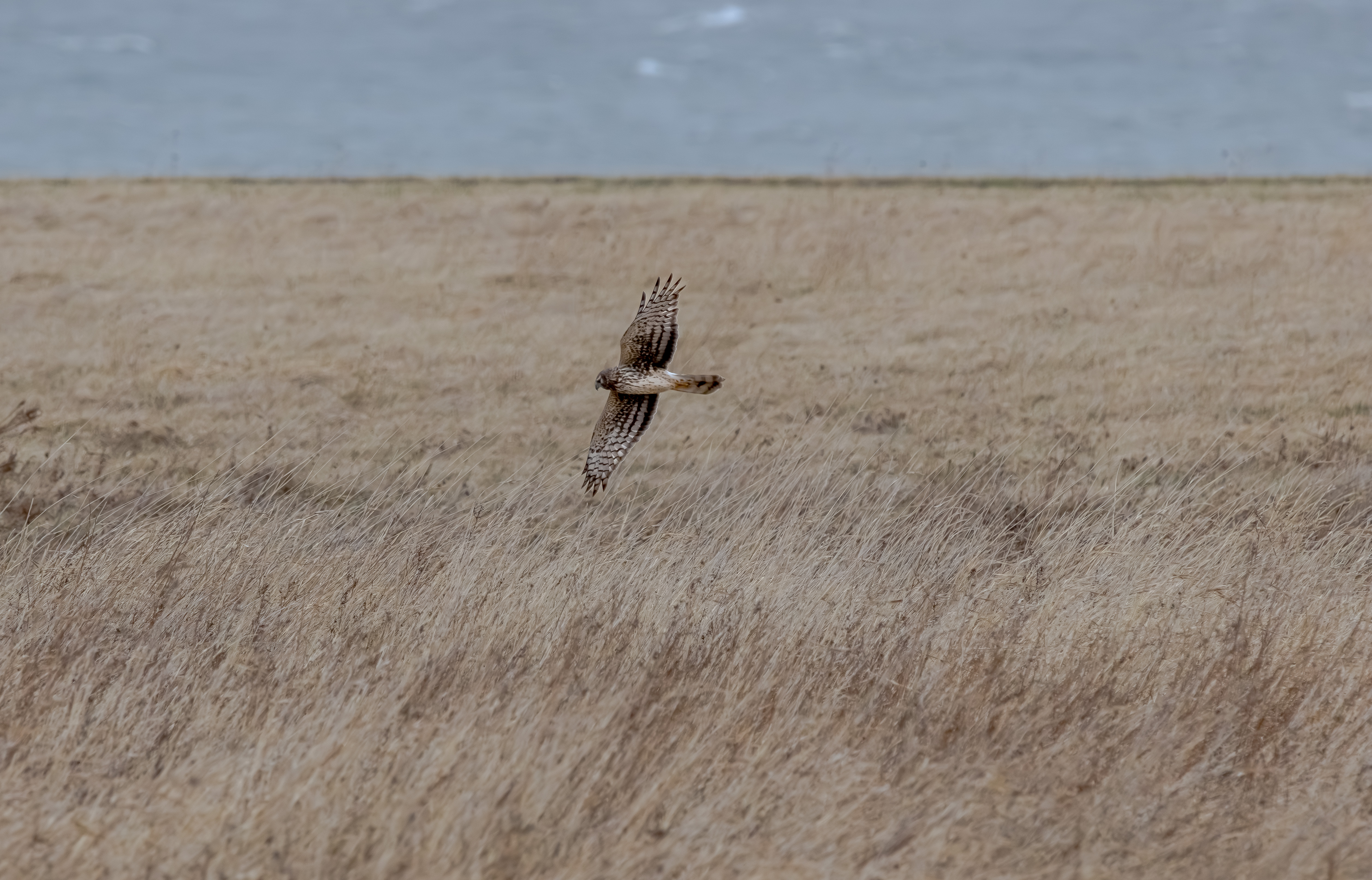
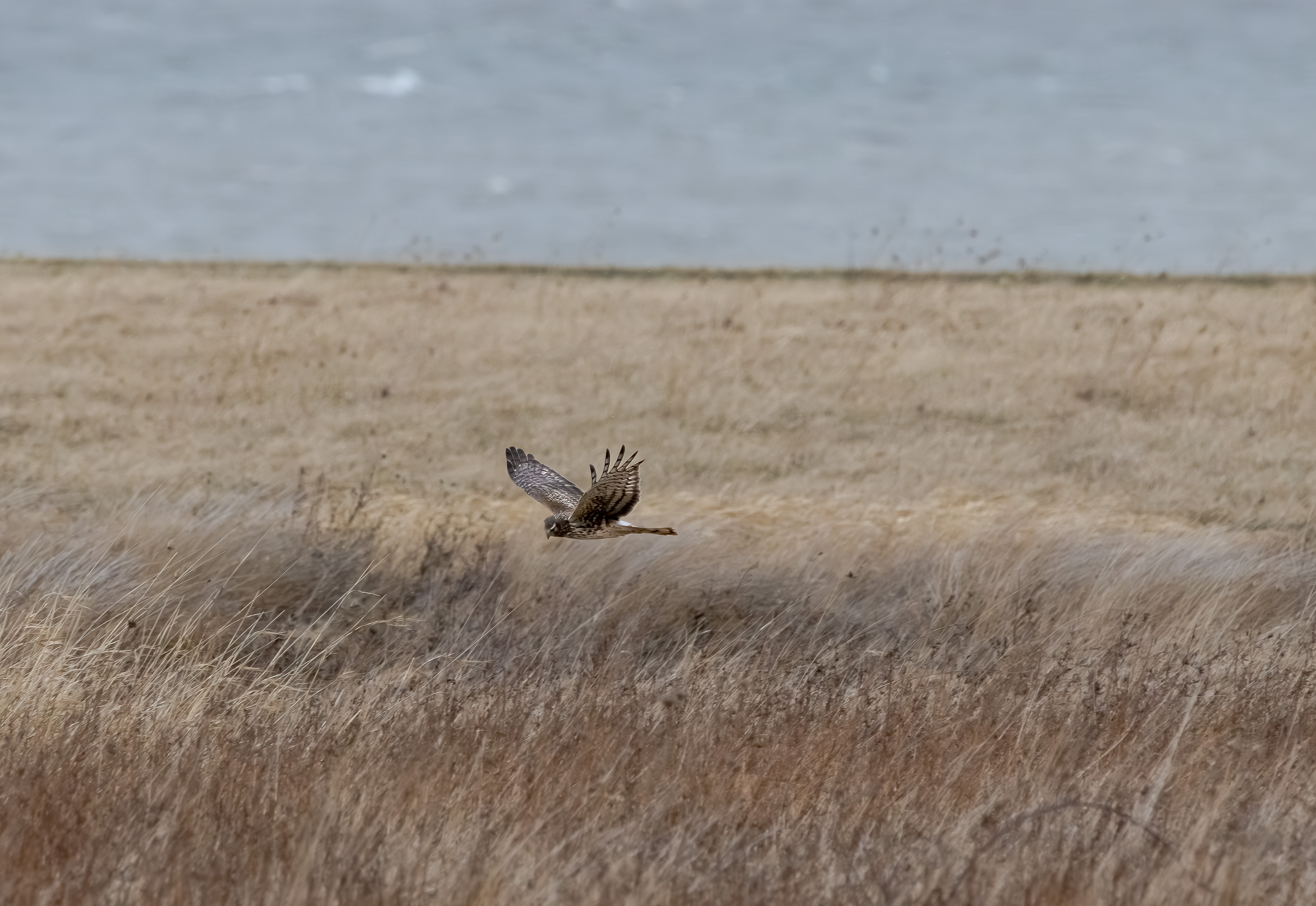
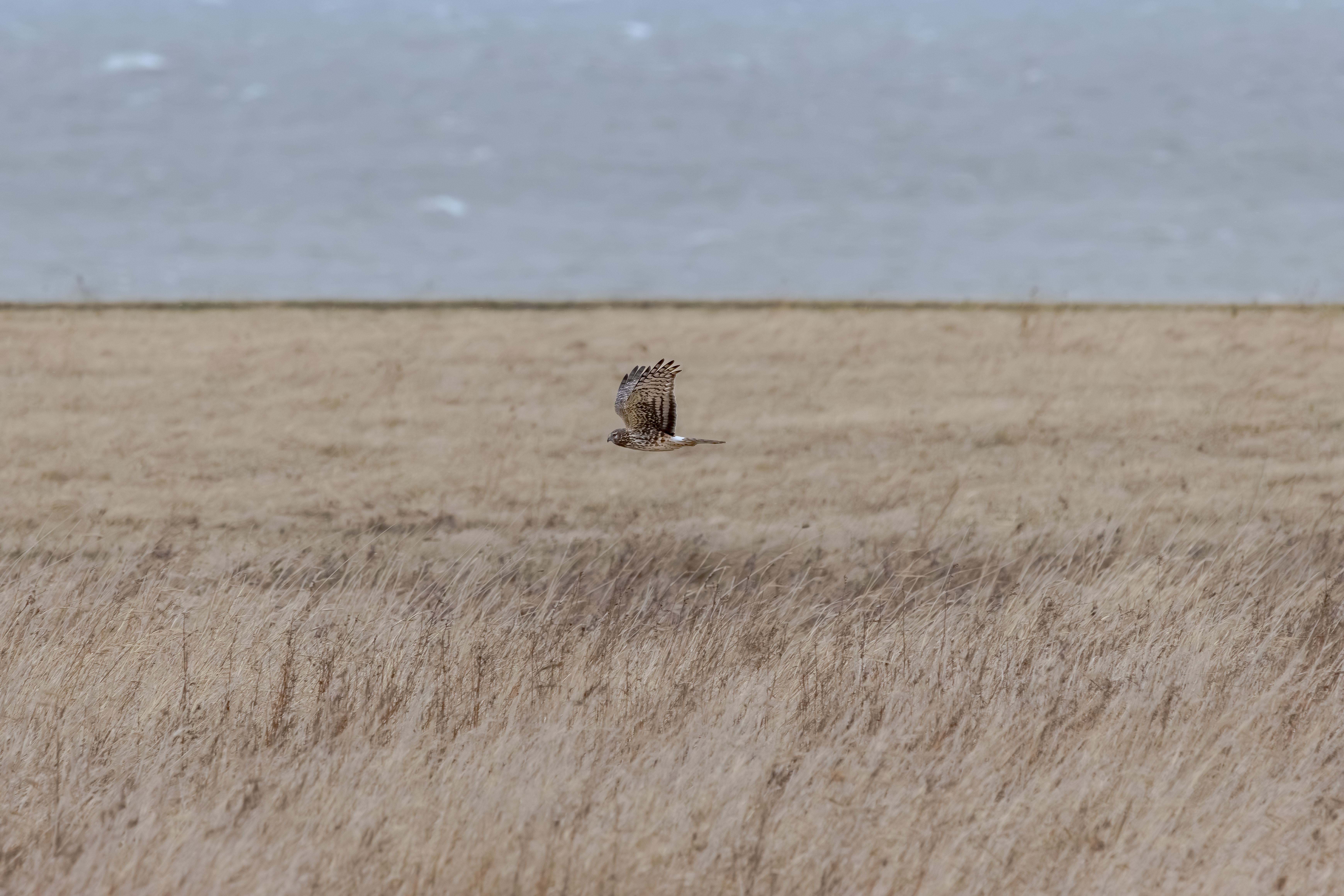
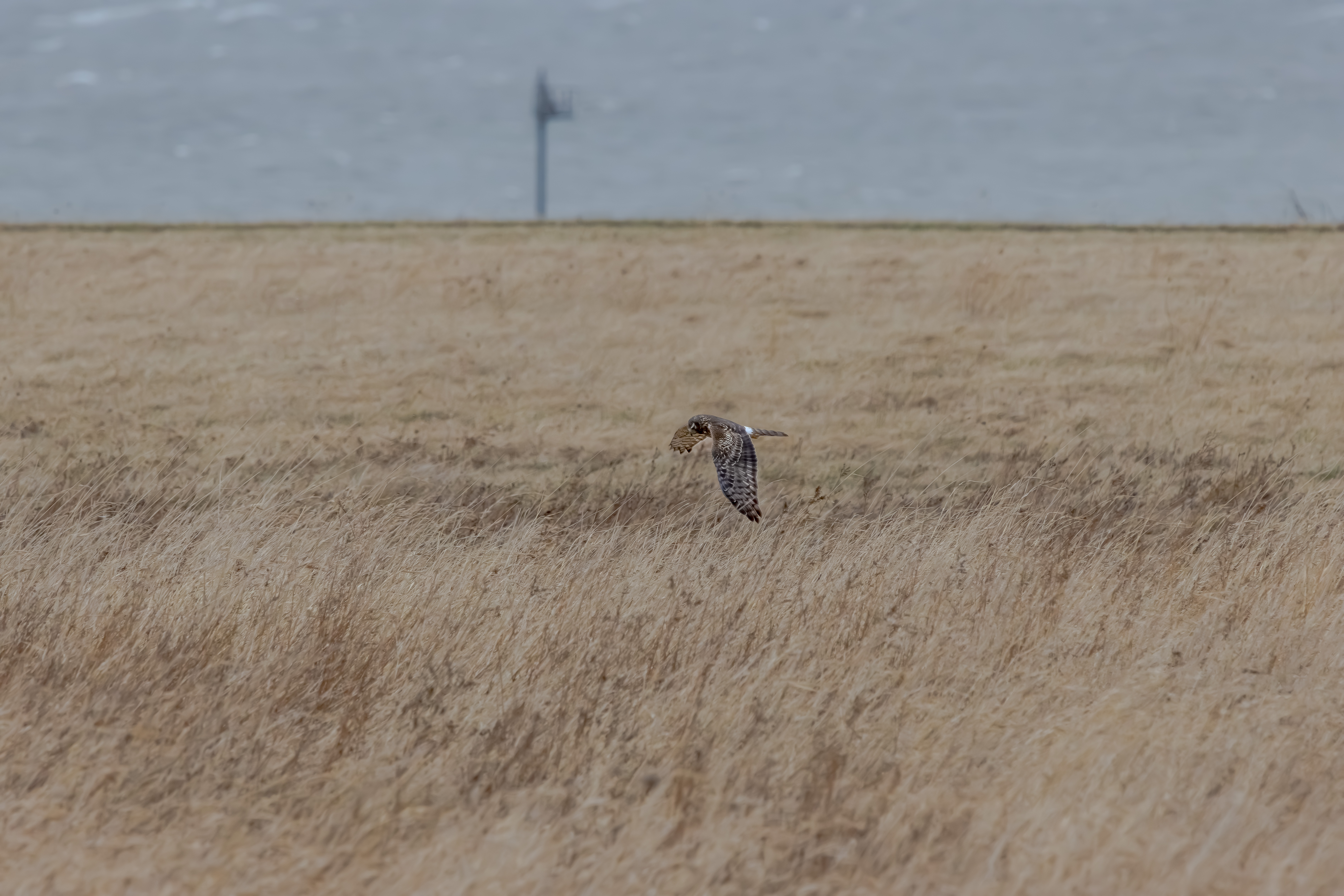
The Northern Harrier is one of North America’s most distinctive birds of prey, known for its low, gliding flight and owl-like facial disk. Commonly seen sweeping over open fields and marshes, this raptor combines stealth, agility, and acute hearing to hunt with remarkable precision. Whether you are a birder, wildlife photographer, or nature enthusiast, understanding the Northern Harrier will elevate your outdoor experience.
What Is a Northern Harrier?
The Northern Harrier is a medium-sized hawk belonging to the genus Circus, often called “harriers.” Unlike most hawks, it relies heavily on sound as well as sight to locate prey, giving it a unique ecological niche among raptors.
Key Identification Features
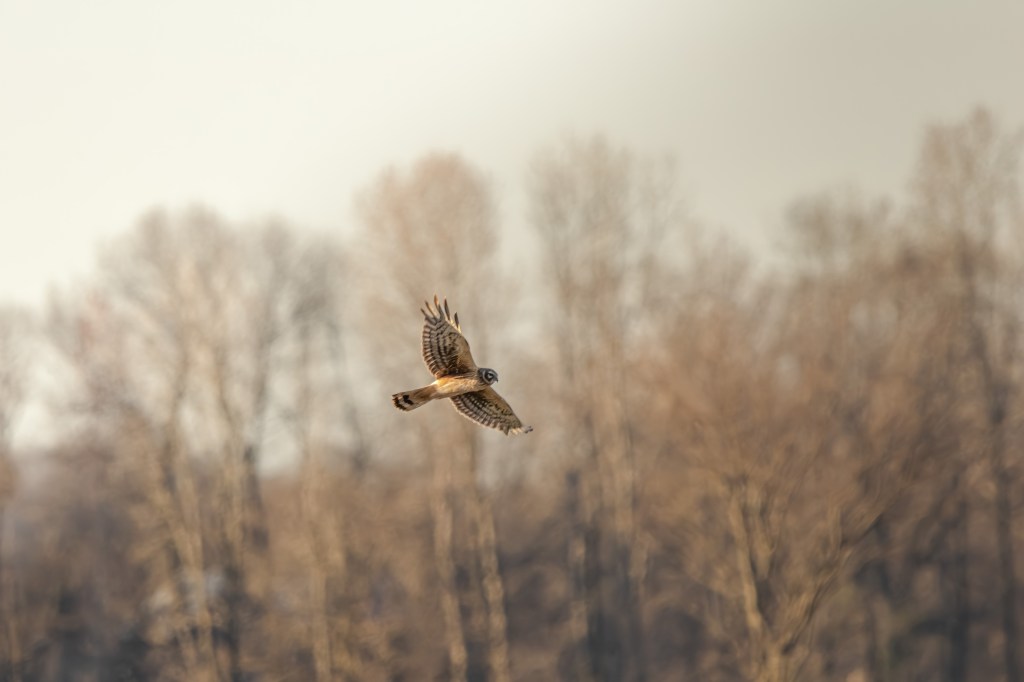
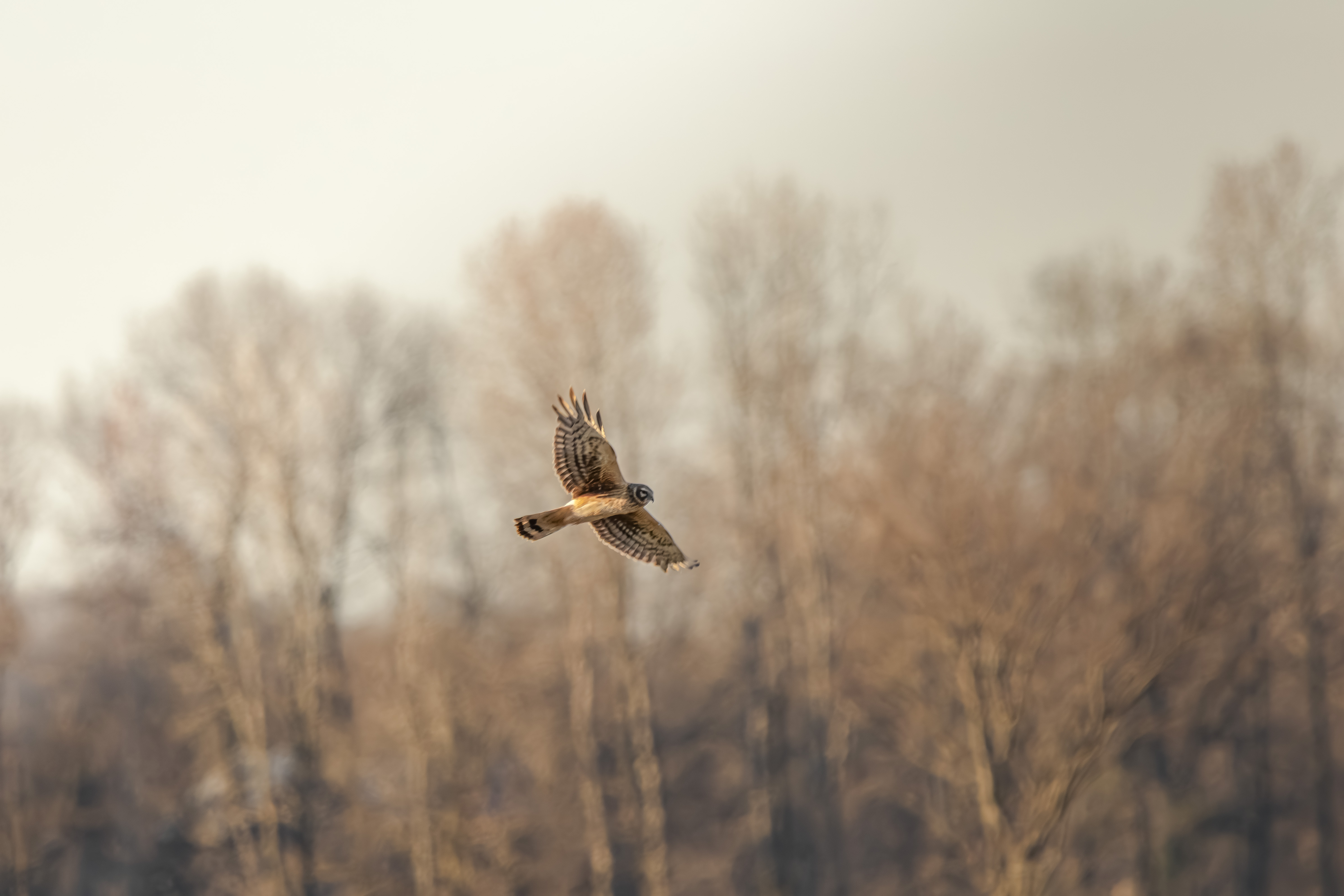
Facial disk similar to owls, helping funnel sound, Long wings and tail for buoyant, low flight, White rump patch visible in flight, Dihedral wing posture (held in a shallow “V”), Males are gray (“gray ghosts”), females are brown.
Northern Harrier Habitat and Range
Northern Harriers are widely distributed across North America and are especially common in open landscapes.
Preferred Habitats
Marshes and wetlands, Grasslands and prairies, Agricultural fields, Coastal dunes.
Range Overview
Breeding: Northern U.S., Canada, Wintering: Southern U.S., Mexico, Migration: Broad movements across North America.
In places like Ohio, especially near birding hotspots such as Magee Marsh Wildlife Area, Northern Harriers are regularly observed during migration and winter.
Behavior and Hunting Style
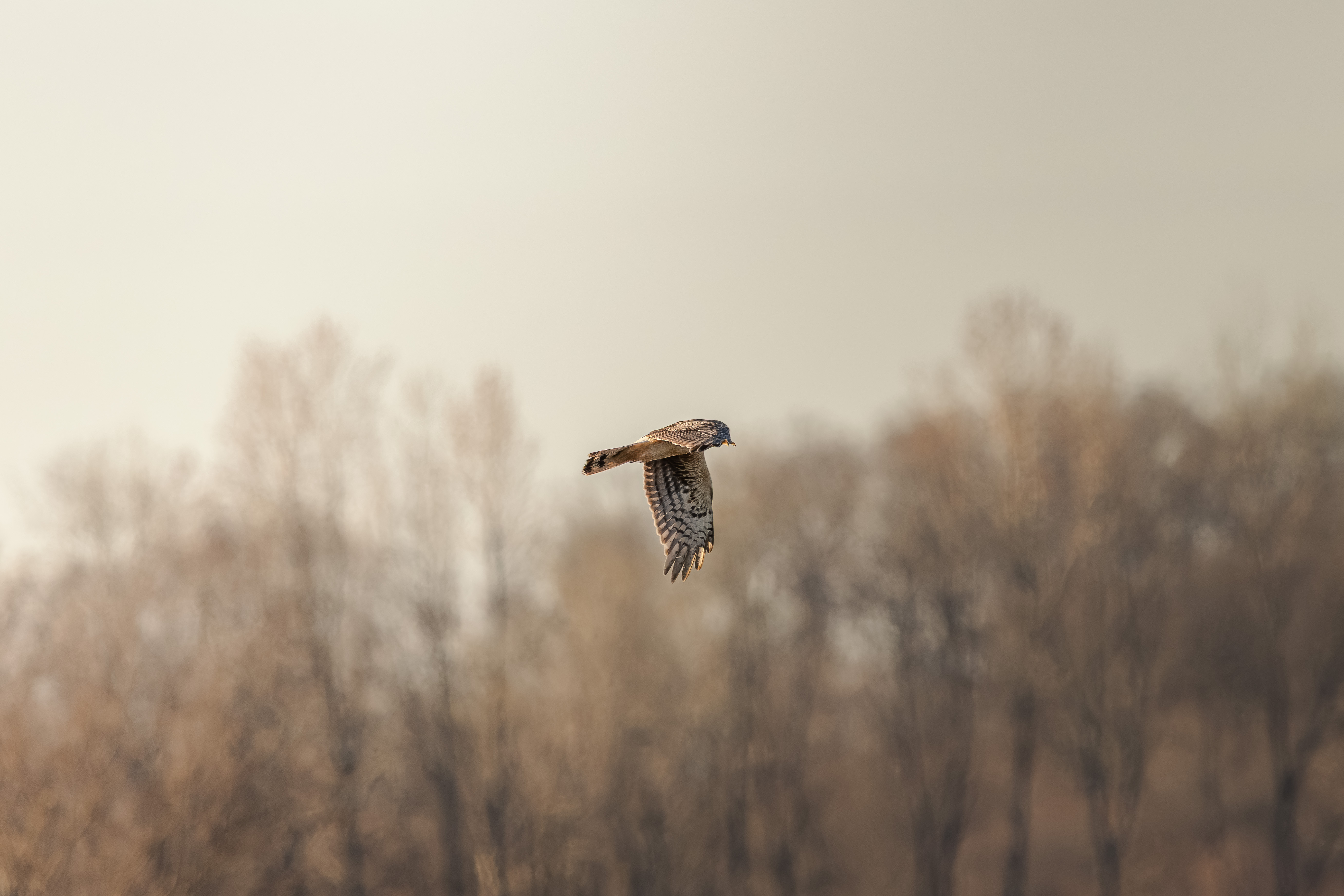
Northern Harriers are famous for their low, methodical hunting flight, gliding just feet above the ground.
Hunting Characteristics
Flies slowly over terrain using both sight and sound, Often tilts side-to-side to detect prey, Hunts small mammals, birds, and amphibians, Uses surprise rather than speed.
This hunting behavior makes them one of the easiest raptors to identify in the field.
Male vs Female Northern Harrier
Sexual dimorphism in Northern Harriers is very noticeable.
Male (Gray Ghost)
Pale gray body, Black wingtips, Smaller and more agile.
Female / Juvenile
Brown with streaked underparts, Larger and heavier, More commonly seen than males.
Northern Harrier Nesting and Reproduction
Unlike most hawks, Northern Harriers nest on the ground, making them vulnerable but well-camouflaged.
Breeding Facts
Nests built in dense grasses or wetlands, 4–6 eggs per clutch, Males provide food during incubation, Known for dramatic aerial courtship displays.
Conservation Status and Threats
The Northern Harrier population has declined in some regions due to habitat loss, especially the destruction of wetlands and grasslands.
Main Threats
Agricultural development, Habitat fragmentation, Pesticide exposure.
Conservation Efforts
Wetland restoration projects, Grassland preservation, Wildlife protection policies.
Protecting open landscapes is key to ensuring the survival of this iconic raptor.
Why Birders Love the Northern Harrier
For birders and photographers, the Northern Harrier offers a unique experience:
Predictable low flight paths, Stunning light-gray males (“gray ghosts”), Active during daylight hours, Found in accessible open habitats
The Northern Harrier stands apart from other raptors with its owl-like features, graceful flight, and unique hunting strategy. Whether gliding over a marsh at sunrise or scanning a windswept field, this bird represents the beauty and complexity of open ecosystems.
 Wild Bird Journal
Leave a comment