
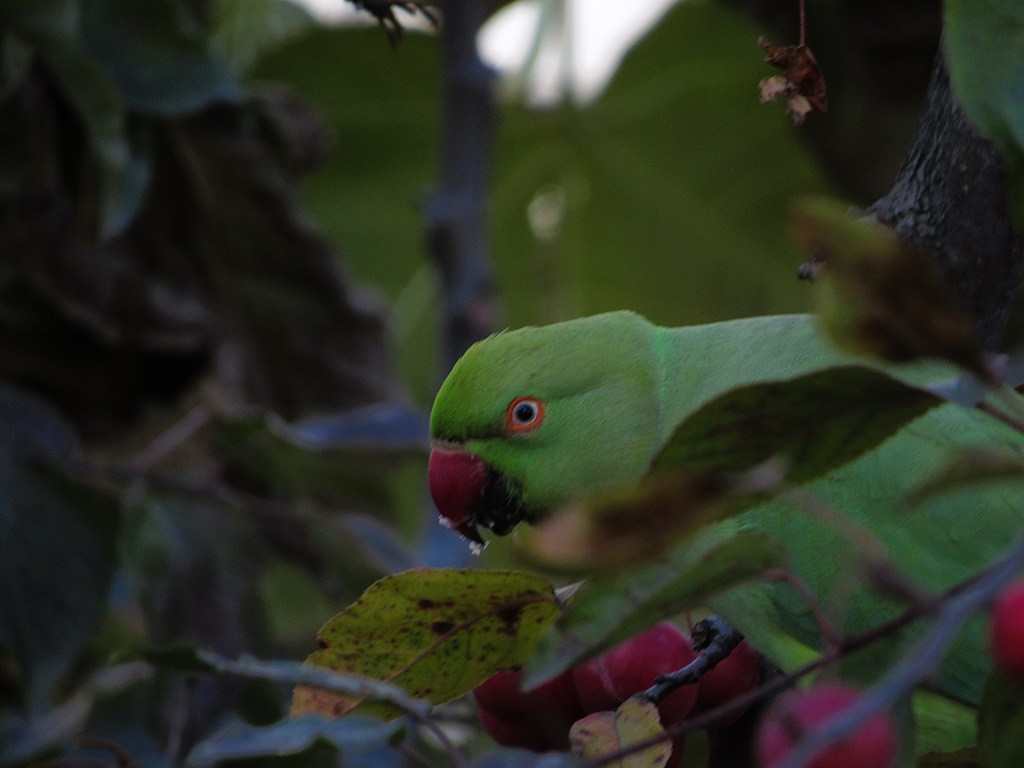


The rose-ringed parakeet (Psittacula krameri), a brightly colored green parrot with a distinctive rose-colored ring around its neck in males, has gained prominence as an introduced species in various parts of Italy. Native to South Asia and sub-Saharan Africa, these parakeets have established thriving populations in Italian urban and suburban environments over the past few decades. Here’s an in-depth look at their presence in Italy.
Introduction and Origins in Italy
Rose-ringed parakeets were introduced to Italy primarily through the exotic pet trade. Escaped or released individuals, often from captivity, began to establish feral populations, particularly in cities with favorable climates. The first recorded sightings of breeding populations in Italy date back to the 1980s, with a noticeable expansion in the following decades.
Current Distribution
The species is now widely distributed across Italy, with the largest populations found in major cities like:
- Rome: Particularly abundant in urban parks such as Villa Borghese and Villa Ada.
- Milan: Known to inhabit Parco Sempione and other green spaces.
- Florence: A growing population has been observed.
- Naples: Smaller but stable numbers.
- Genoa and Palermo: Mild climates here support smaller populations.
They are also reported in other urban centers with suitable nesting and feeding opportunities.
Ecological Impact
Competition with Native Species: The parakeets are cavity nesters, which puts them in direct competition with native bird species like woodpeckers, starlings, and even bats for nesting sites. This has raised conservation concerns.
Agricultural Damage: In agricultural areas near cities, rose-ringed parakeets have been noted to raid orchards and vineyards, feeding on fruits like grapes, figs, and citrus.
Ecosystem Integration: Despite being invasive, their impact on local flora and fauna in urban settings appears moderate compared to rural ecosystems.
Adaptations and Urban Life
The rose-ringed parakeet thrives in Italy due to its adaptability:
- Diet: They feed on a variety of fruits, seeds, flowers, and nuts, making urban parks and gardens an ideal habitat.
- Climate: The Mediterranean climate, with its mild winters, mimics their native range, enabling them to survive and breed successfully.
- Behavior: These birds are highly social and vocal, which helps them establish and defend territories.
Conservation and Management
While their vibrant presence adds a tropical touch to Italian cities, concerns about their potential ecological and agricultural impacts have led to discussions about control measures. Efforts include:
Monitoring populations to track their spread. Educating the public about responsible pet ownership to prevent further releases. Debates about ethical culling or relocation to mitigate their impact on native species.
Cultural Perception
Public opinion on the rose-ringed parakeet in Italy is divided. Many urban residents view them as charming and exotic additions to cityscapes, while conservationists and farmers express concerns about their invasiveness. Their vibrant green plumage and distinctive calls have made them a popular subject of urban wildlife photography and observation.
Future Prospects
The rose-ringed parakeet is likely to continue expanding its range in Italy due to climate change and increasing urbanization. Managing their populations sustainably while balancing ecological concerns and public sentiment remains a key challenge for Italian authorities and conservationists.
Thank you for reading!


 Wild Bird Journal
Leave a comment