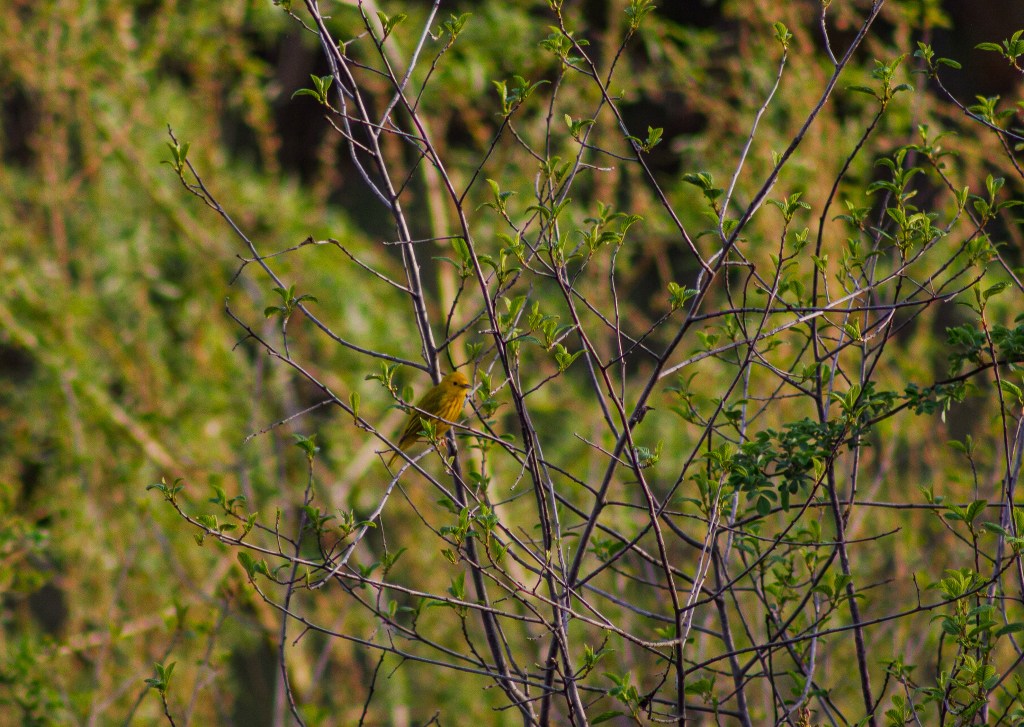
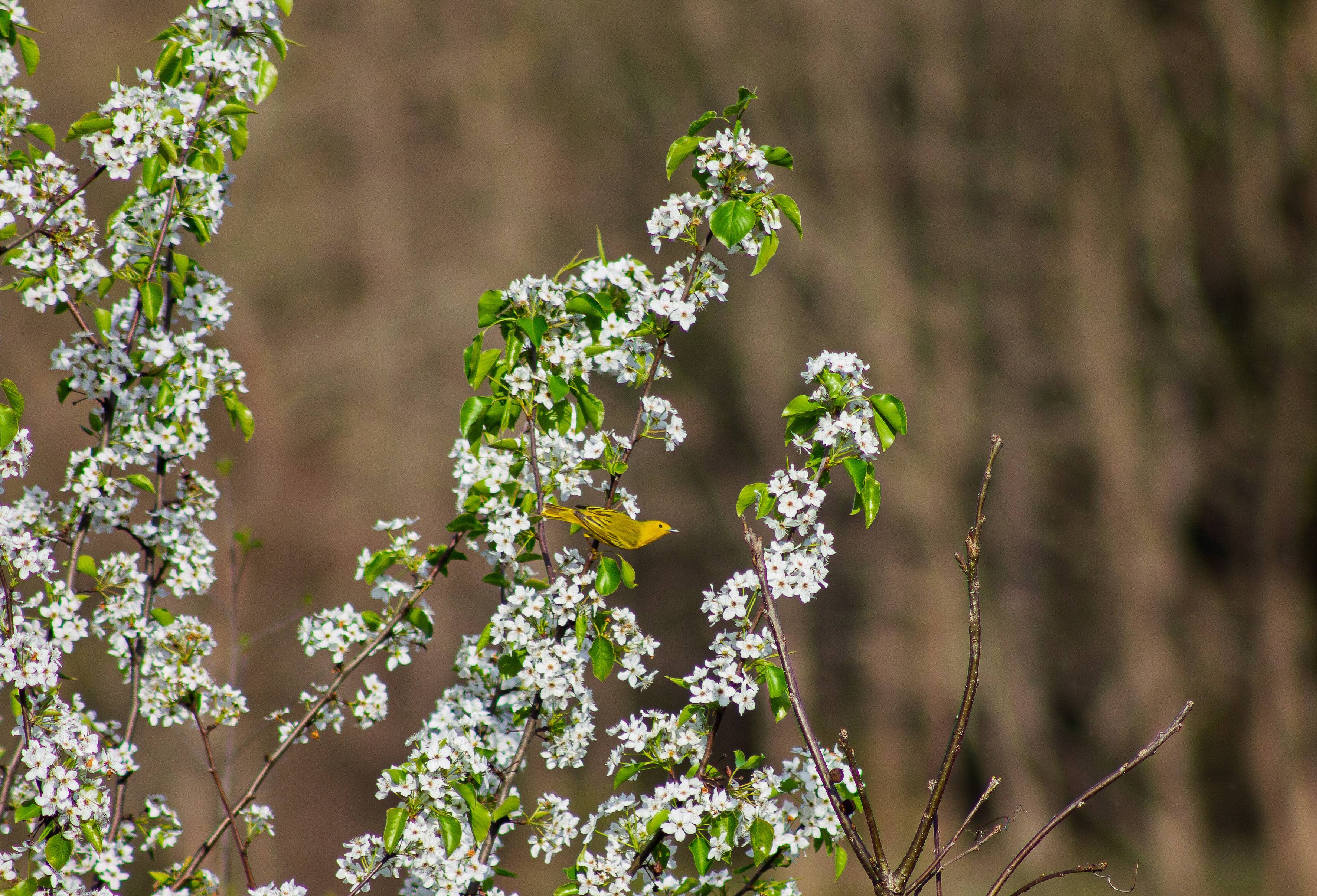
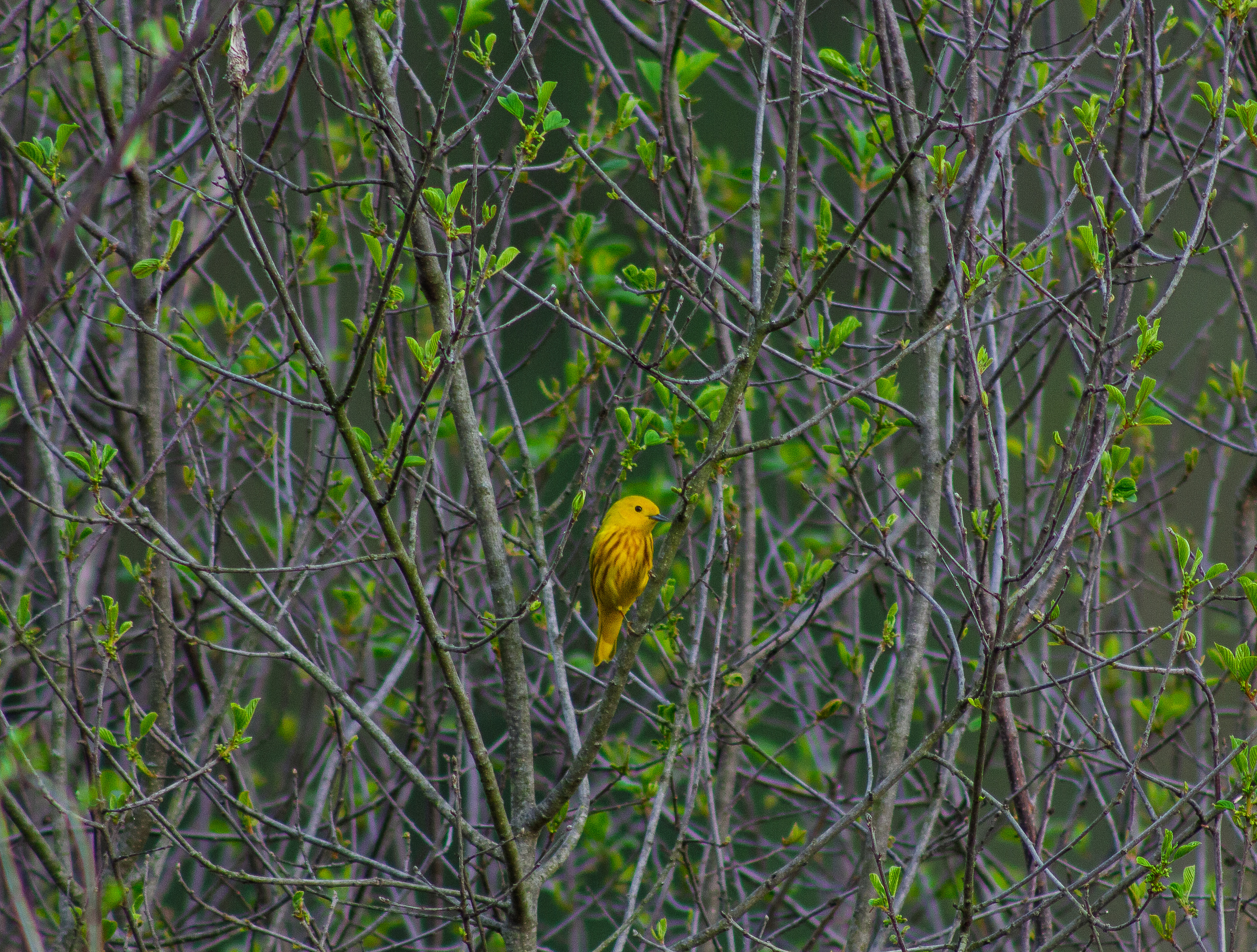
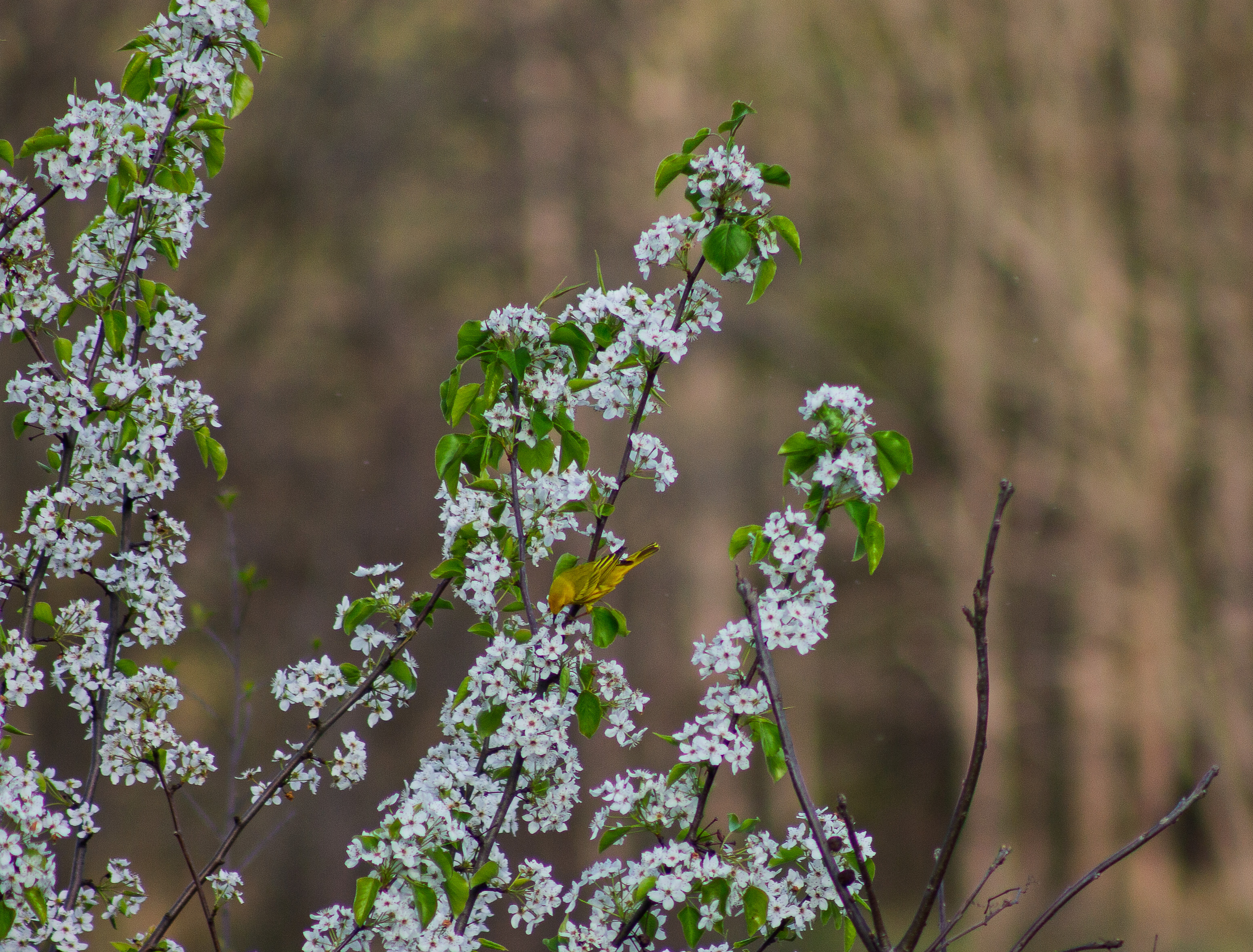
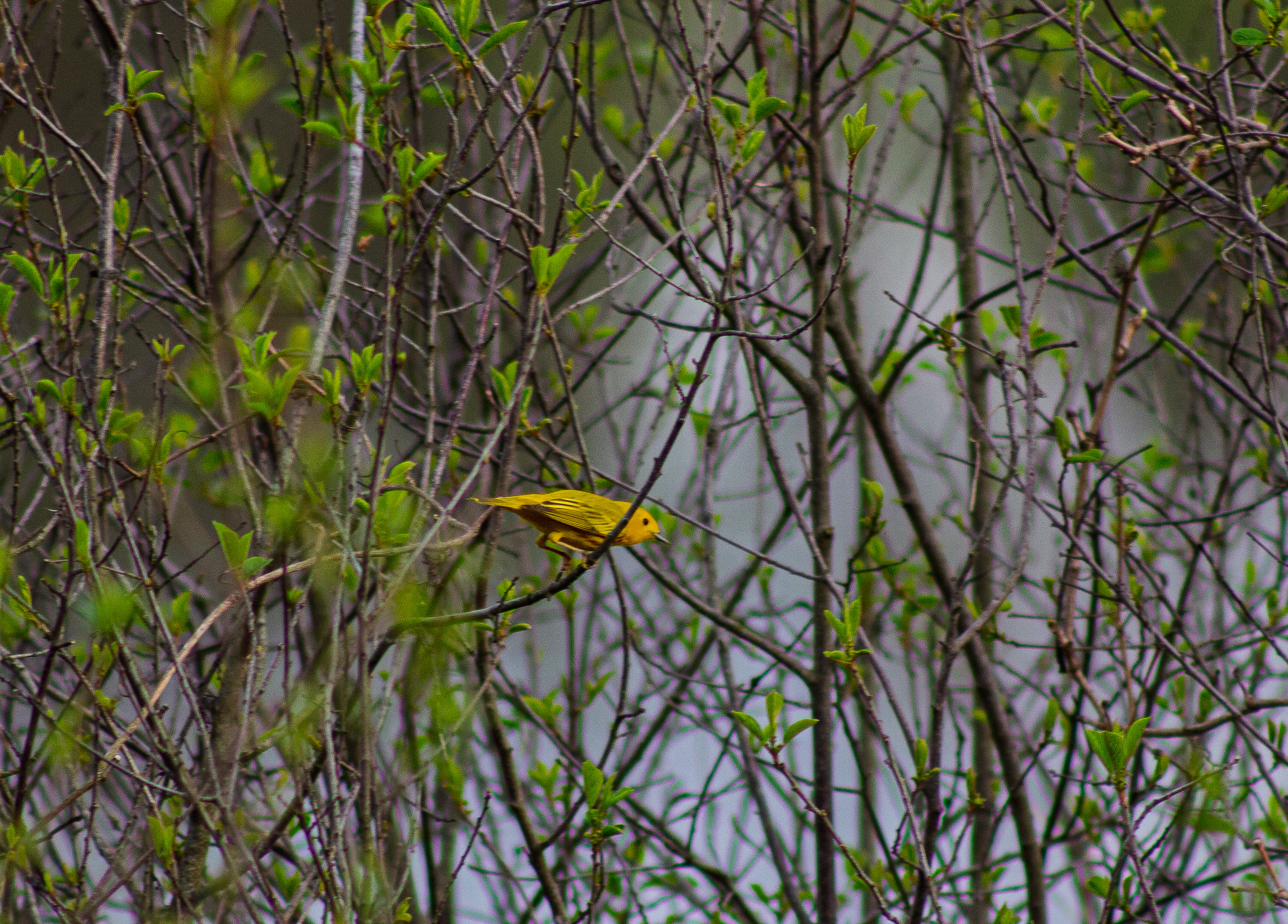
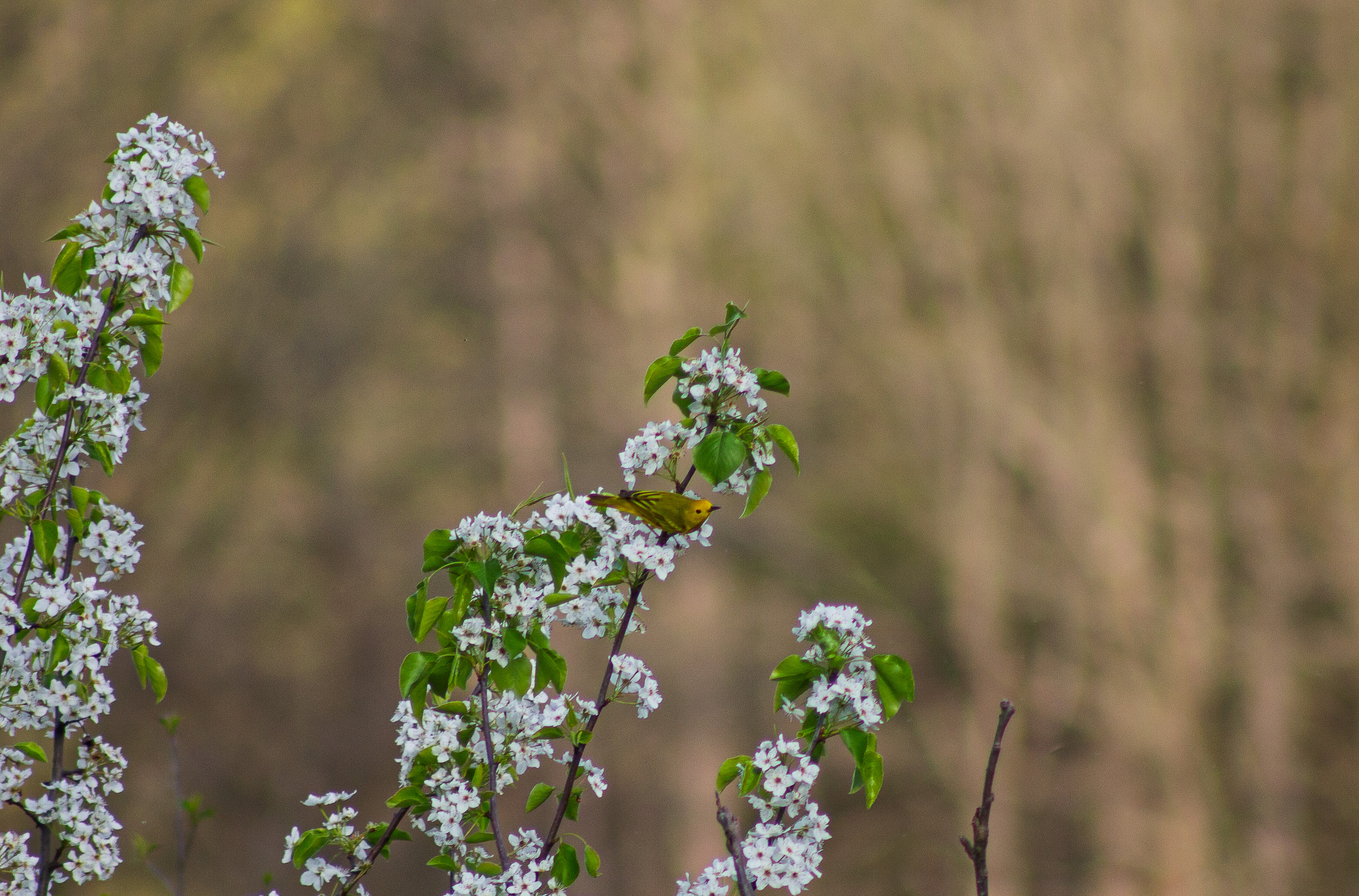
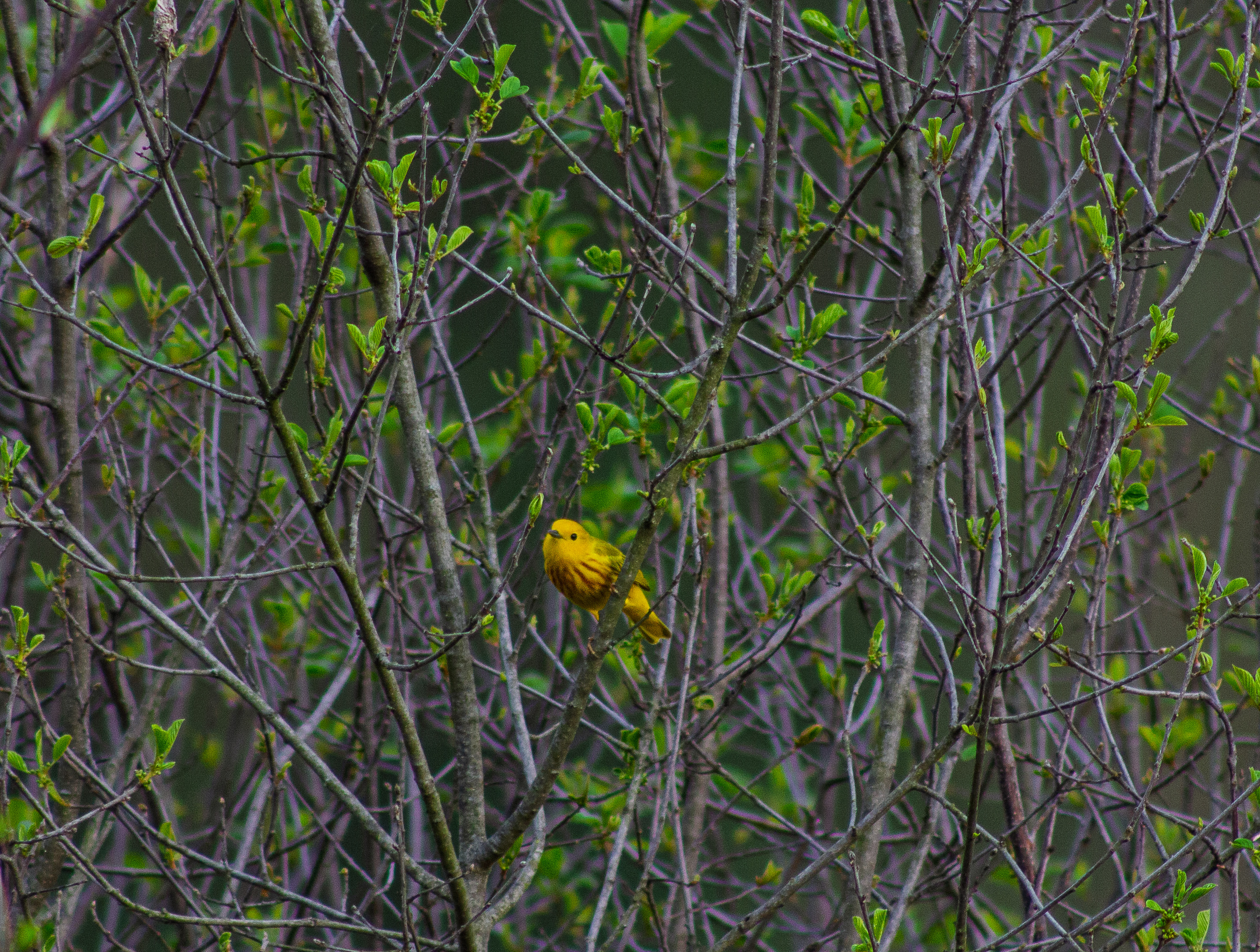
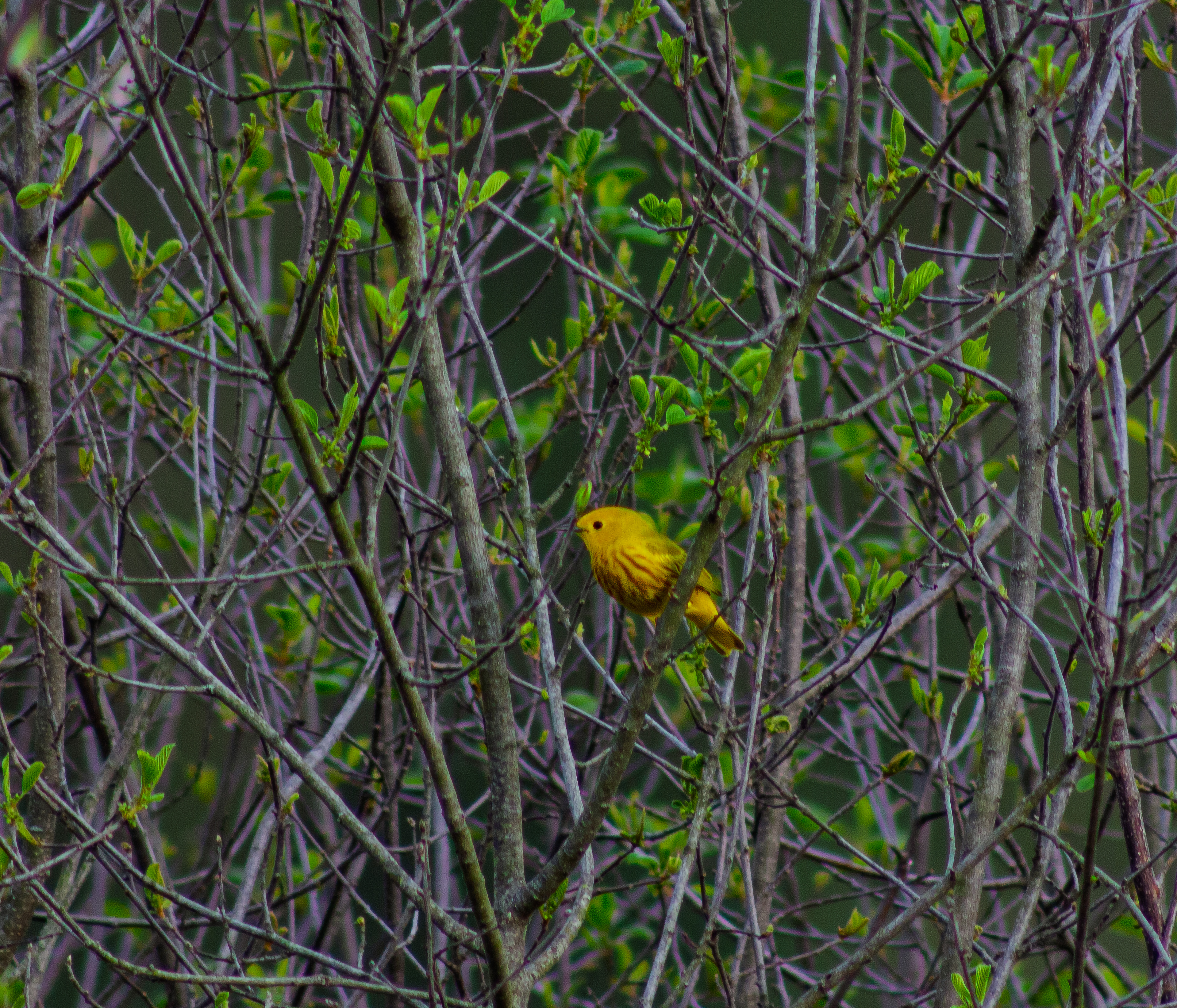
The Yellow Warbler (Setophaga petechia) is a small, brightly colored songbird in the New World warbler family (Parulidae). It’s one of the most widespread warblers in the Americas and is especially known for its sweet song and vibrant yellow plumage. Here’s a comprehensive overview of what is known about the Yellow Warbler:
GENERAL DESCRIPTION
Scientific name: Setophaga petechia (formerly Dendroica petechia).
Common name: Yellow Warbler.
Size: 10–18 cm (4–7 in) in length.
Wingspan: 16–22 cm (6.3–8.7 in).
Weight: 9–16 g (0.3–0.6 oz).
Coloration: Males: Bright lemon-yellow with reddish streaks on the breast. Females: Slightly duller with fewer or no streaks. Both sexes have olive-yellow backs and yellow underparts.
DISTRIBUTION AND HABITAT
Breeding range: Throughout most of North America—from Alaska and northern Canada to the southern U.S.
Wintering range: Central America, northern South America, and the Caribbean.
Habitats: Prefers moist, shrubby environments like wetlands, riparian corridors, thickets, and forest edges. Often found in willow and alder stands.
MIGRATION
Migration pattern: Long-distance migrant.
Northward in spring (April–May), southward in fall (August–October).
Flyways: Often uses Central American and Caribbean routes.
DIET
Primary diet: Insects and spiders.
Foraging behavior: Gleans insects from leaves and branches, sometimes catches flying insects midair.
Occasional diet: Berries and other small fruits during migration or in wintering grounds.
BEHAVIOR
Vocalization: Famous for its cheerful, whistled song, often described as: “sweet-sweet-sweet, I’m so sweet!”.
Territoriality: Males defend nesting territories vigorously during breeding season.
Social behavior: Generally solitary or in pairs during breeding; forms mixed-species flocks in winter.
BREEDING
Nesting season: Late spring to summer (varies by latitude).
Nest: Cup-shaped, built in shrubs or small trees, made from grasses, bark, and fibers.
Clutch size: 3–6 eggs.
Incubation: 10–14 days (female incubates).
Fledging: Young leave the nest 10–12 days after hatching
PARASITISM
Frequently parasitized by the Brown-headed Cowbird (Molothrus ater).
Yellow Warblers are known to respond by building a new nest on top of the cowbird egg (“nest stacking”) or abandoning the parasitized nest.
SUBSPECIES AND VARIATION
There are about 35 subspecies, often grouped into three broad categories: Northern Yellow Warbler (S. p. aestiva) – Found in most of North America.
Mangrove Warbler (S. p. erithachorides) – Central America and northern South America; has reddish head.
Golden Warbler (S. p. petechia) – Caribbean islands; males are more uniformly golden
CONSERVATION STATUS
IUCN status: Least Concern.
Population trend: Generally stable, though habitat loss and cowbird parasitism pose localized threats.
Conservation efforts: Protection of wetland habitats and control of cowbird populations in key breeding areas.
ECOLOGICAL ROLE
Important insect predator, helping control pest populations. Prey species for larger birds, snakes, and mammals. Indicator species for healthy riparian and wetland ecosystems.


 Wild Bird Journal
Leave a reply to festivalwildly0565641a15 Cancel reply