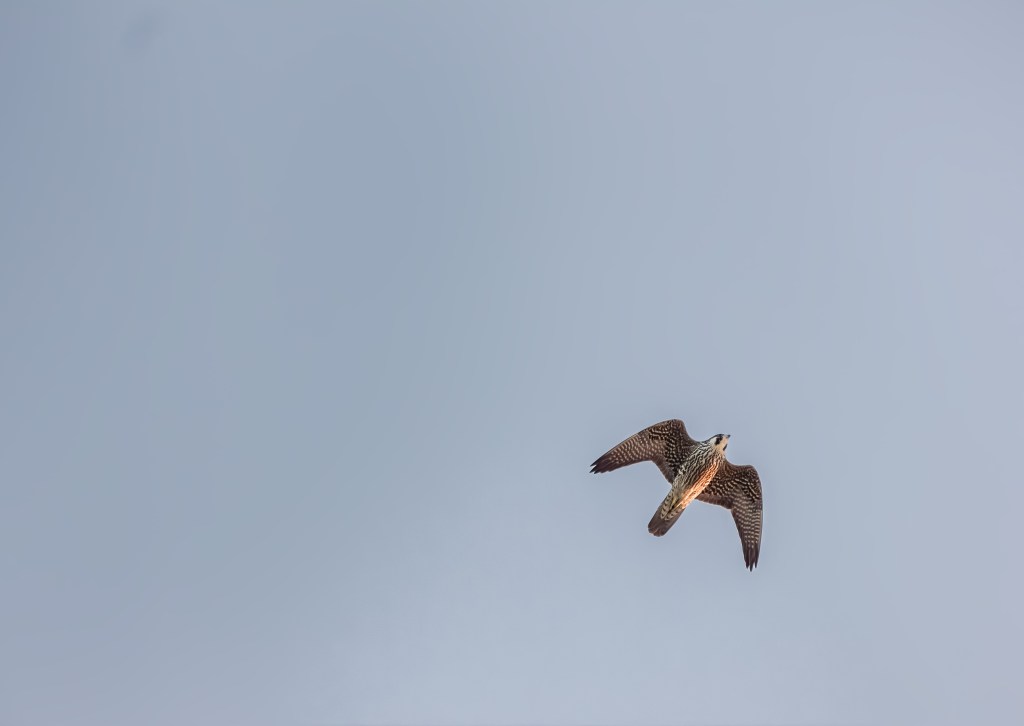
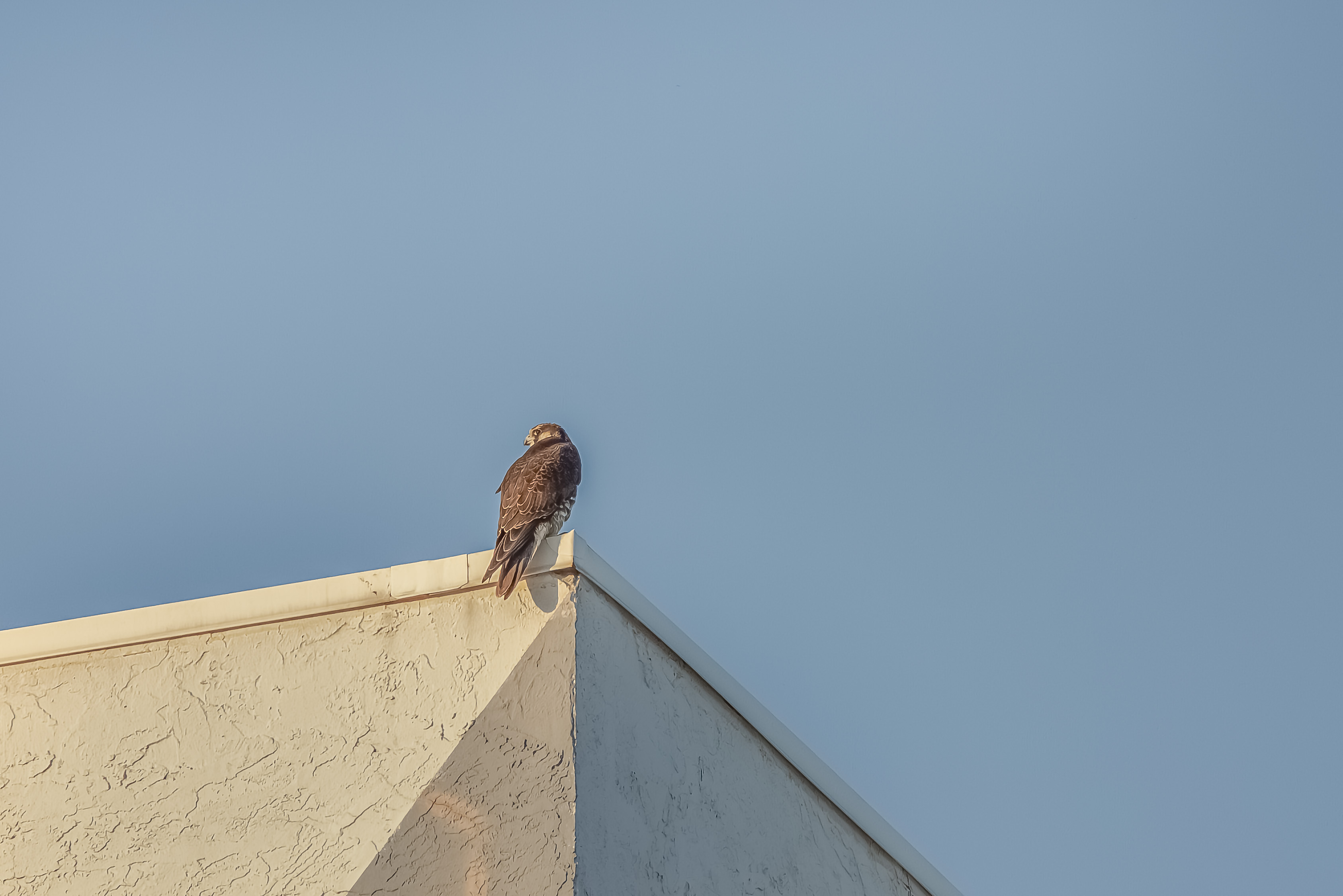
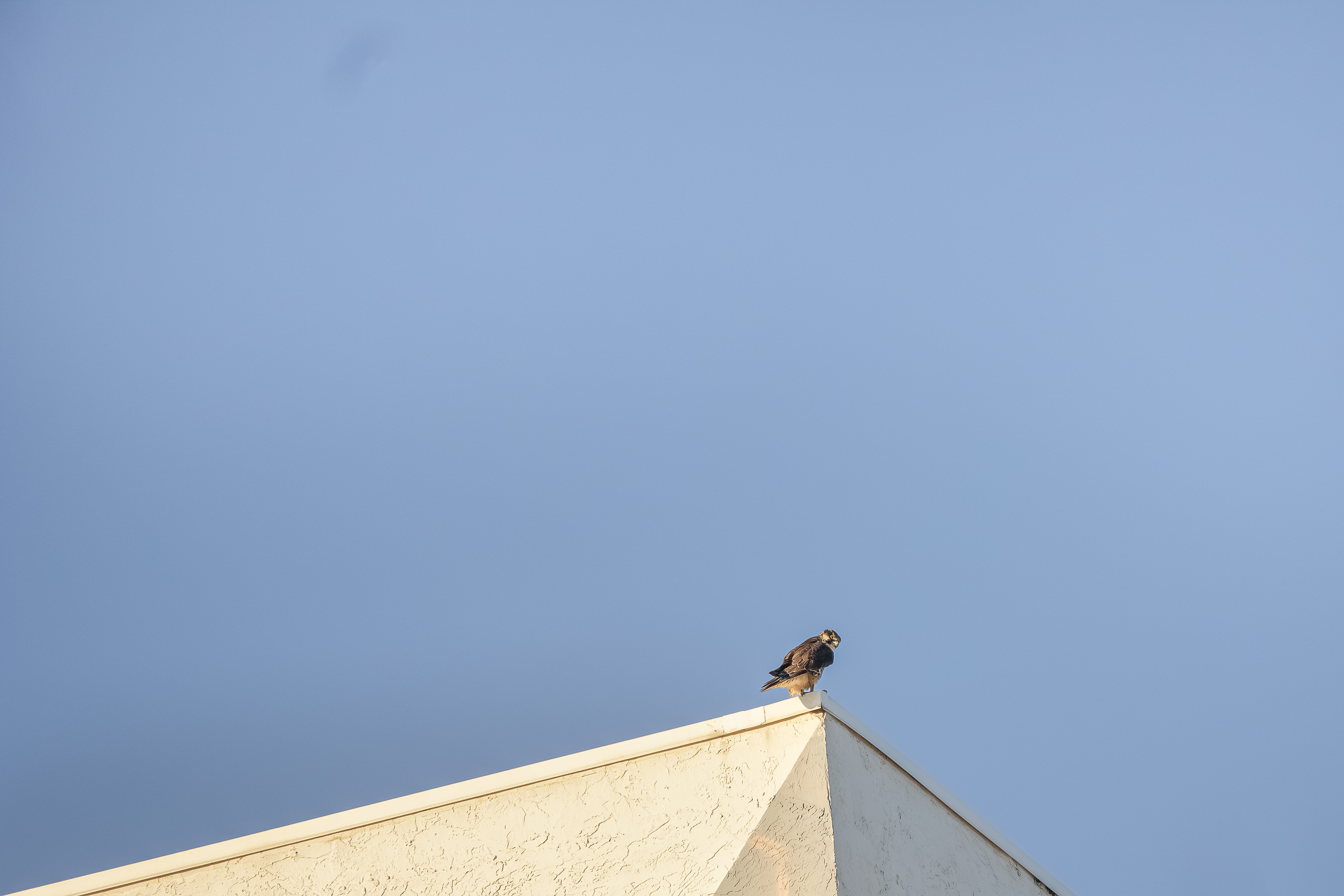
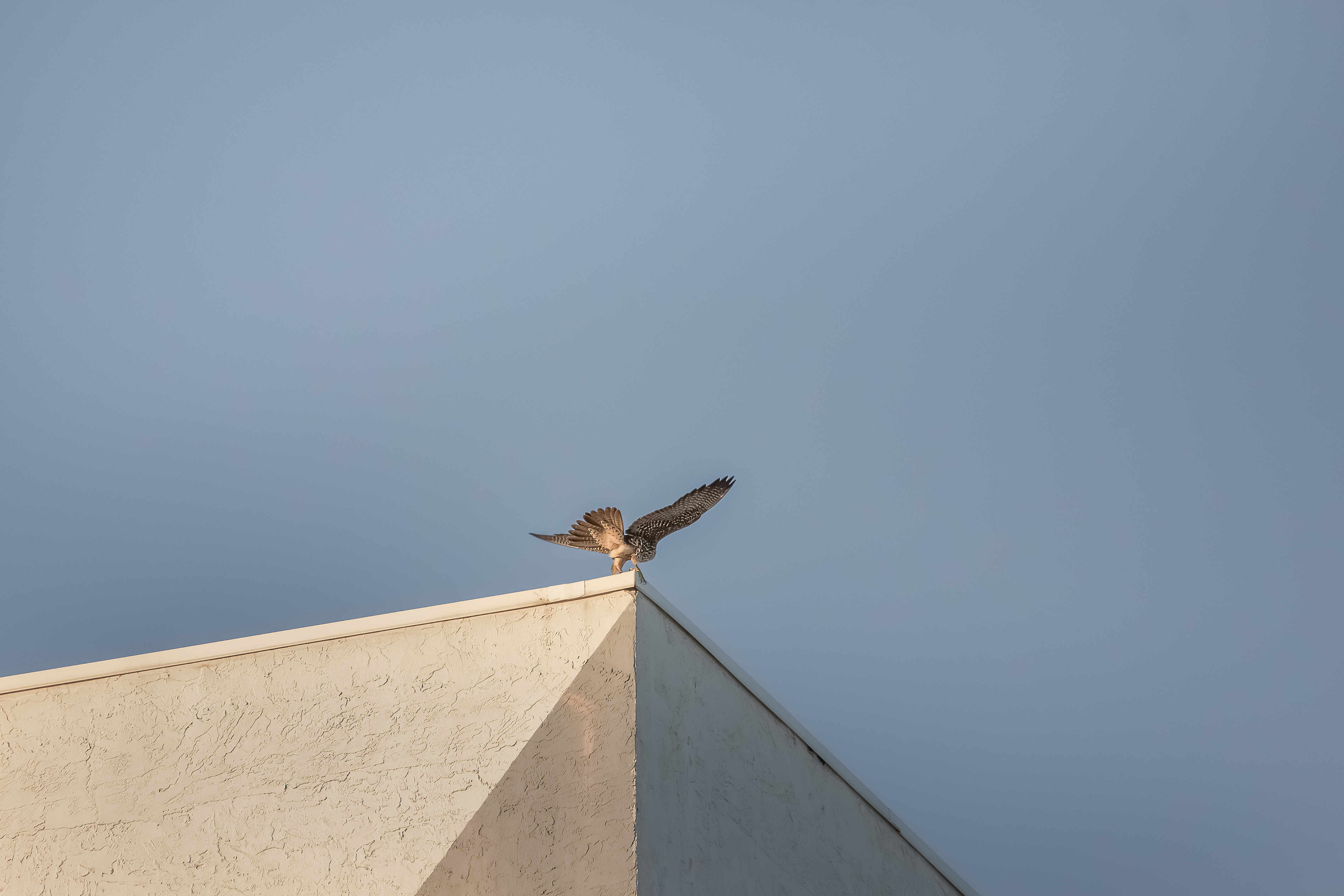
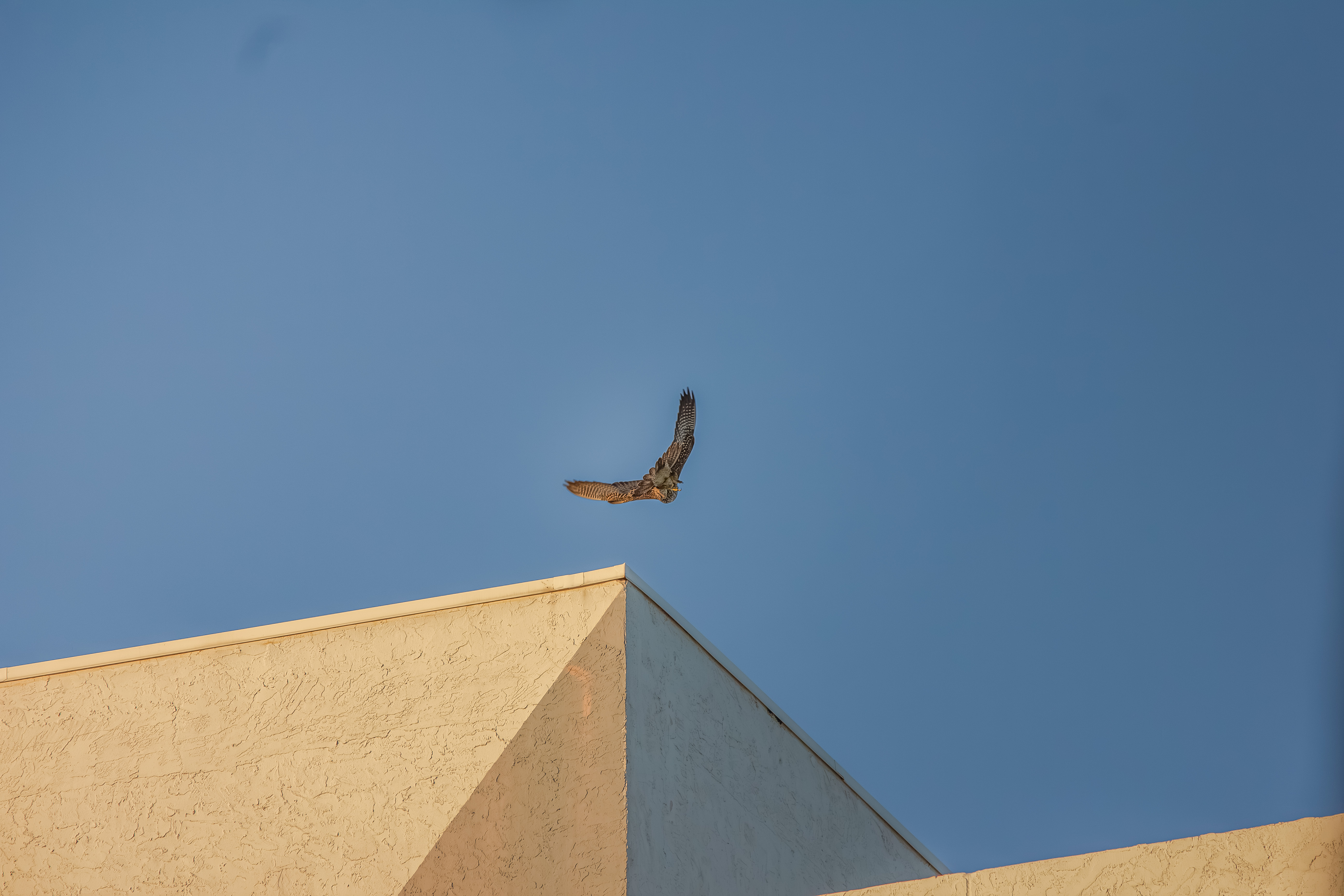

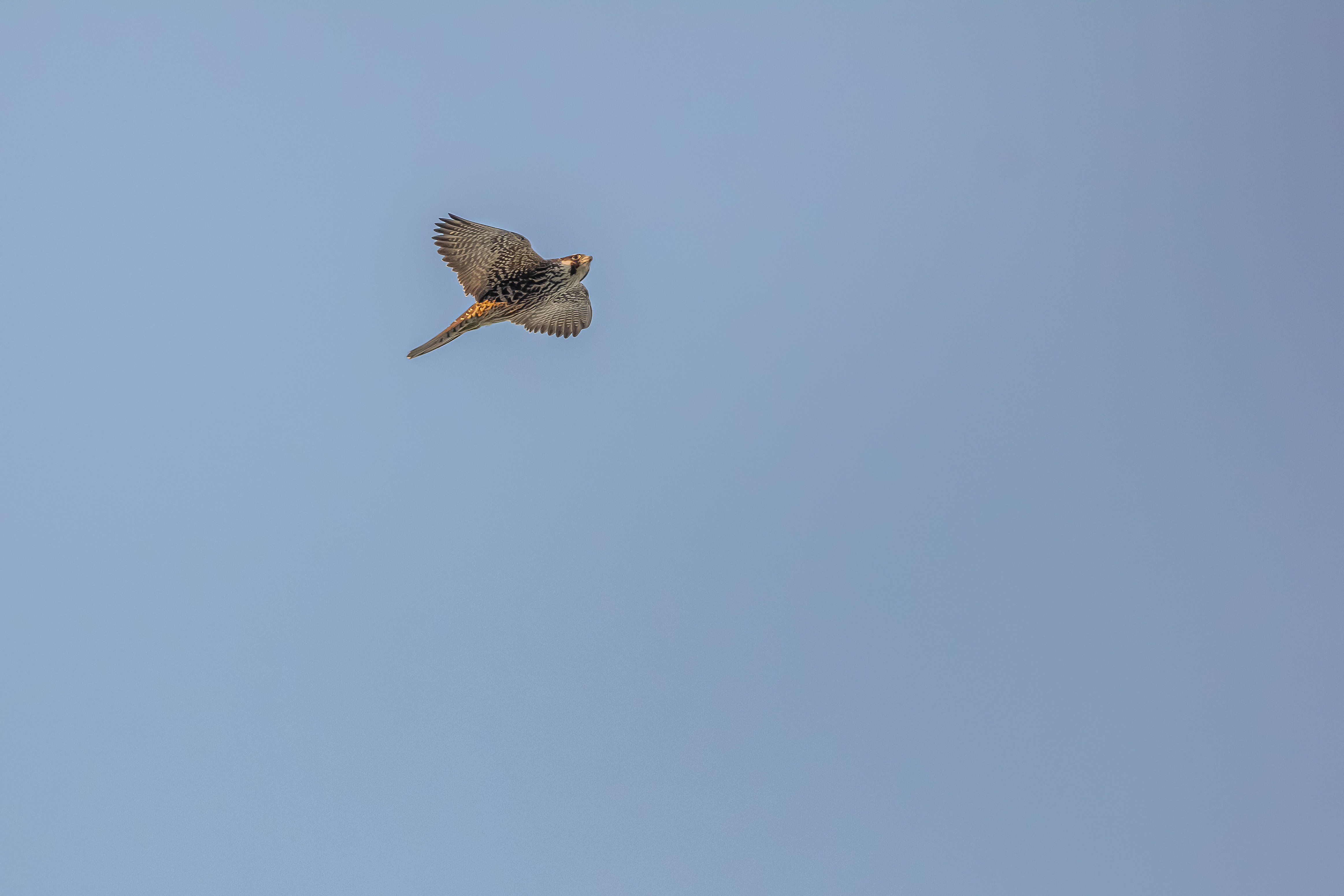
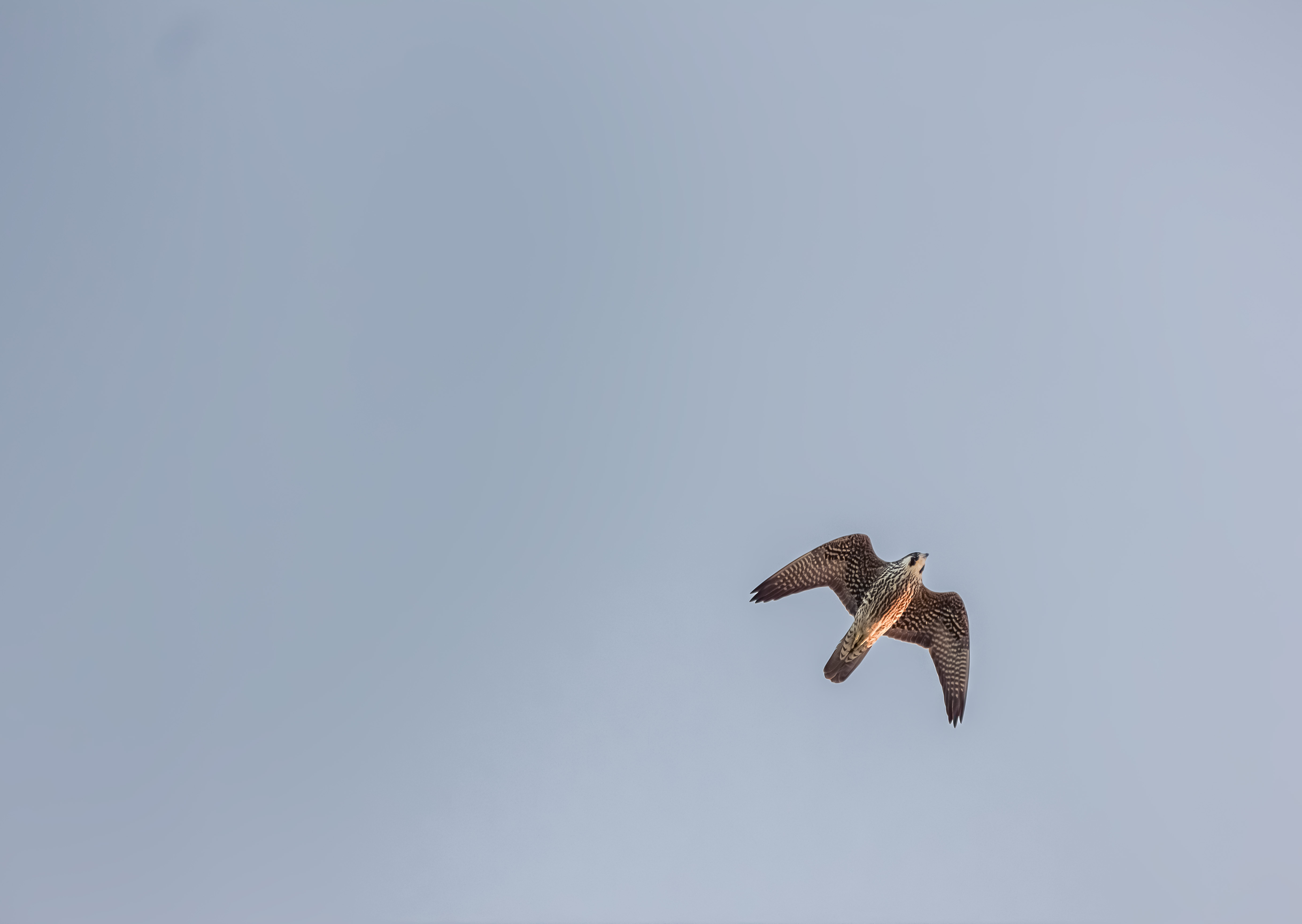
The peregrine falcon is widely recognized as the fastest animal on Earth. Found on every continent except Antarctica, this raptor has adapted to mountains, coastlines, deserts, and even skyscraper-filled cities. Its name “peregrine” means “wanderer,” reflecting its broad global distribution.
Speed: The Fastest Animal Alive
The peregrine falcon achieves extraordinary speeds during its hunting dive, known as a stoop.
Top diving speed: Over 240 mph (386 km/h), Level flight speed: 40–60 mph, Wingspan: 2.4–3.9 feet (74–120 cm), Weight: 1.5–3.5 lbs (700–1,600 g).
When diving, peregrines streamline their bodies, tuck their wings, and use specialized nostril structures to regulate airflow at high speeds.
Habitat & Distribution
The peregrine falcon is one of the most widespread birds in the world. Found In: North America, South America, Europe, Africa, Asia, Australia.
They prefer: Cliffs and mountain ranges, Coastal areas, River valleys, Urban skyscrapers (which mimic cliff faces).
Major cities like New York, Chicago, and London now host thriving urban peregrine populations.
Diet & Hunting Strategy
Peregrines primarily eat medium-sized birds.
Common Prey: Pigeons, Doves, Ducks, Songbirds, Shorebirds.
Hunting Technique: Soar high above prey. Lock onto a target. Dive in a high-speed stoop. Strike prey mid-air with clenched talons.
They often kill prey instantly upon impact.
Breeding & Nesting
Peregrine falcons do not build traditional nests. Instead, they create shallow scrapes. Clutch size: 2–4 eggs. Incubation: ~29–33 days. Fledging: 35–42 days after hatching. Lifespan in the wild: 13–15 years (can live longer).
They are monogamous and often return to the same nesting site annually.
Migration
Many peregrines migrate long distances.
Arctic populations travel to South America. Some individuals travel over 15,000 miles annually. Urban and temperate populations may remain year-round.
Conservation History
During the mid-20th century, peregrine falcon populations declined sharply due to the pesticide DDT, which caused eggshell thinning.
Conservation efforts included: Banning DDT (1972 in the U.S.). Captive breeding programs. Reintroduction into cities and cliffs.
These efforts were so successful that the peregrine falcon was removed from the U.S. Endangered Species List in 1999.
It is now considered a major conservation success story.
Subspecies
There are 17–19 recognized subspecies worldwide, varying in size and coloration depending on geographic region.
Adaptations
Specialized nostril baffles to breathe during high-speed dives. Strong, keeled sternum for powerful flight muscles. Long, pointed wings for aerodynamic efficiency. A tomial tooth (beak notch) for killing prey.
Urban Peregrines
Modern cities have become ideal habitats: Skyscrapers mimic cliffs. Abundant pigeon populations provide food. Nest boxes installed on buildings support breeding.
Live nest cams in cities allow people to observe breeding cycles in real time.
Cultural Significance
Used in falconry for over 3,000 years. Symbolizes speed, precision, and power. Frequently featured in wildlife documentaries.
Fun Facts
Peregrines can see ultraviolet light. They may knock prey unconscious mid-air. Juveniles are browner and streaked vertically. They can rotate their wings slightly to steer during dives. The name “duck hawk” was once commonly used in North America.
Comparison to Other Fast Animals
| Animal | Top Speed | Method |
|---|---|---|
| Peregrine Falcon | 240+ mph | Diving |
| Cheetah | ~70 mph | Running |
| Golden Eagle | ~200 mph (dive) | Diving |
| Sailfish | ~68 mph | Swimming |
The peregrine remains unmatched in aerial speed.
Ecological Role
As apex aerial predators, peregrines: Help control bird populations. Maintain ecological balance. Indicate environmental health.
Why the Peregrine Falcon Matters
The peregrine falcon represents one of the greatest wildlife conservation recoveries in modern history. From near extinction due to chemical pollution to thriving in global cities, it showcases resilience and the effectiveness of environmental protection policies.

 Wild Bird Journal
Leave a reply to Donald Meltzer Cancel reply