
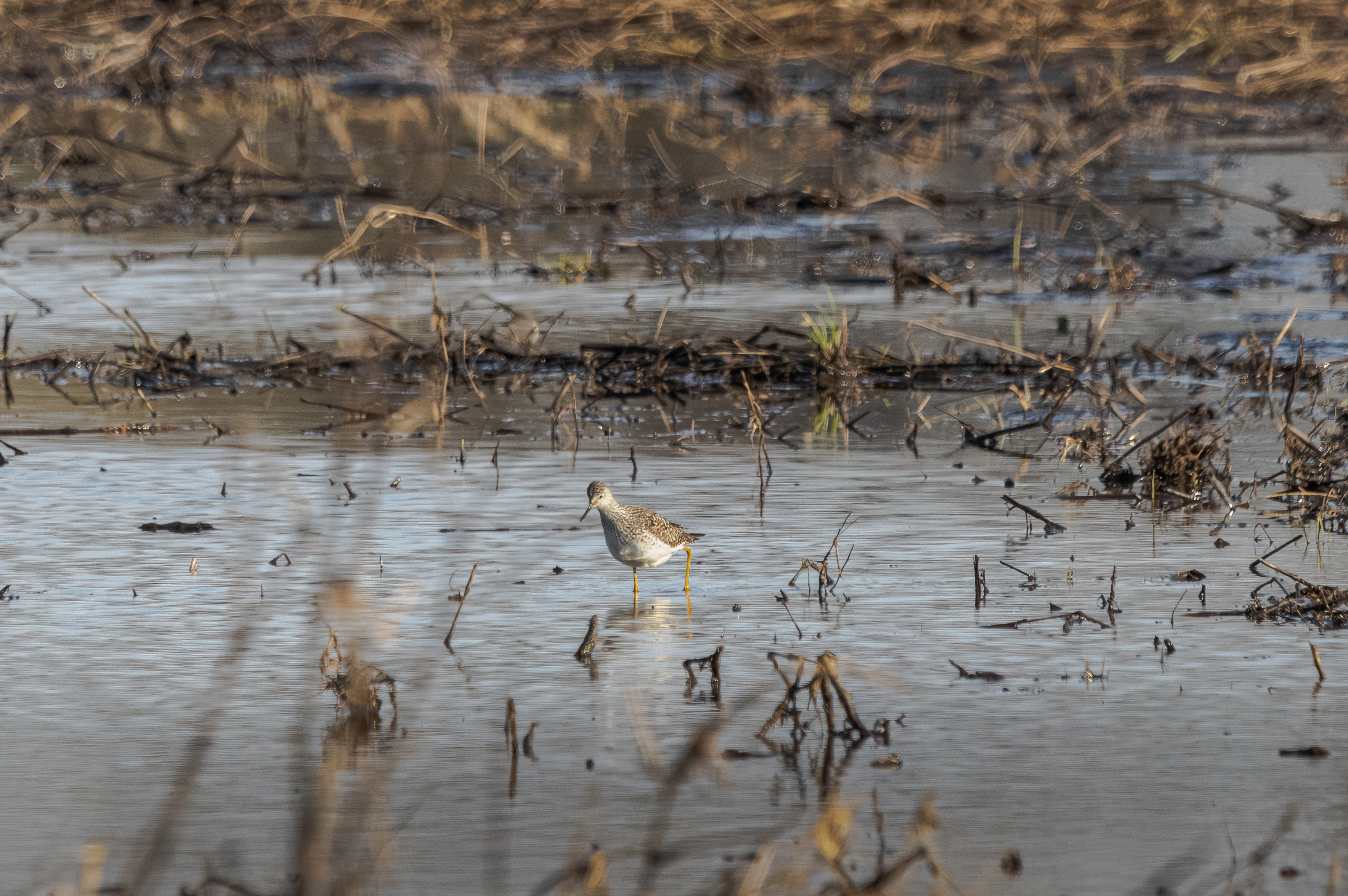


The Pectoral Sandpiper (Calidris melanotos) is a medium-sized migratory shorebird admired by birders for its long-distance journeys, distinctive streaked breast, and occurrence in wetlands, mudflats, flooded fields, and tundra habitats. Breeding primarily in the Arctic and wintering in South America, this species is a remarkable long-distance migrant that can turn up in migration hotspots across North America, Europe, Asia, and beyond.
Its sharply defined breast band, drooping bill, and elegant feeding posture make it a favorite among shorebird enthusiasts and photographers.
How to Identify a Pectoral Sandpiper
The Pectoral Sandpiper is often identified by a combination of features: Crisp Streaked Breast with Sharp Cutoff
Its signature mark is the heavily streaked chest that ends abruptly against a clean white belly, one of the best shorebird field marks.
Slightly Drooped Bill: The bill is medium length, fine-tipped, and gently droops.
Warm Brown Upperparts: Back and wings show rich brown tones with pale-edged feathers giving a scaly look.
Yellowish-Green Legs: Leg color can help separate it from lookalikes. Slightly Hunched Feeding Posture
Often appears front-heavy with a pot-bellied shape.
Where Do Pectoral Sandpipers Live?
Breeding Habitat
Breeds in Arctic tundra across: Northern Alaska, Arctic Canada, Siberia.
Prefers: Wet sedge meadows, Tundra marshes,Polygon ponds, Moist grasslands.
Migration Habitat
During migration they use: Mudflats, Sewage lagoons, Wet meadows, Flooded farm fields, Coastal marshes, Prairie potholes.
Birders often find them in shallow freshwater edges probing for food.
Wintering Habitat
Winters largely in: Argentina, Uruguay, Brazil, Paraguay.
Often in pampas wetlands and grassland marshes.
Pectoral Sandpiper Migration
One reason birders love this species is migration.
Spring Migration
April–May in much of U.S., Peaks in interior wetlands.
Fall Migration
July–October, Juveniles often appear in large numbers late summer.
Migration Facts
Long-distance Arctic migrant, Frequently found inland, unlike many shorebirds, Often appears in temporary flooded fields after rains, Known for vagrancy and can show up unexpectedly.
Best Places to See Pectoral Sandpipers
Great locations include: Magee Marsh, Cheyenne Bottoms, Bosque del Apache, Horicon Marsh, Prairie pothole wetlands across the Midwest.
Pectoral Sandpiper Behavior
Pectoral Sandpipers forage by: Probing mud, Picking aquatic insects, Eating worms, Taking crustaceans, Consuming seeds occasionally.
Diet includes: Midges, Beetles, Fly larvae,Small mollusks, Aquatic invertebrates.
Often seen feeding methodically while walking through shallow water.
Unique Breeding Display
Males perform extraordinary displays: Inflate air sacs in chest, Produce booming or hooting sounds, Display in tundra territories.
This courtship behavior is one of the species’ most fascinating traits.
Pectoral Sandpiper Vocalizations
Call: Sharp “kreep” or “prrt” call notes
Often heard overhead during migration before seen.
Pectoral Sandpiper Photography Tips
For bird photographers: Search muddy field edges at dawn, Use low shooting angles, Photograph juveniles in fall for crisp plumage, Look after rain events when migrants drop in, Watch for feeding birds in shallow reflective water.
Great for habitat-rich environmental portraits.
Conservation Status
The International Union for Conservation of Nature currently lists the species as Least Concern, though habitat loss affecting wetlands can impact populations.
Threats include: Wetland drainage, Climate change impacts in Arctic breeding areas, Agricultural conversion, Migration stopover habitat loss.
Protecting wetlands benefits this species and countless other migrants.
Fun Facts About Pectoral Sandpipers
Some migrate from Arctic tundra to South America, thousands of miles annually. Males can perform elaborate booming displays using inflatable chest sacs. They often appear in flooded farm fields far from coasts. Juveniles in fall can be especially confiding around birders. They’re one of the most widespread migrant “peeps” in inland North America.
Leave a Reply